
Table of Contents
Why Cuenca Feels Different — and Why That’s a Good Thing
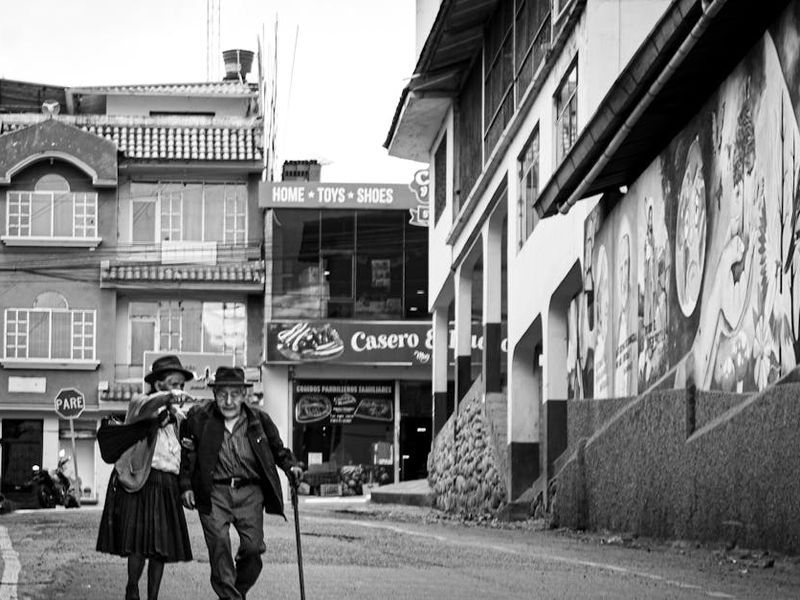
Cuenca, Ecuador invites a different tempo of life. With its colonial plazas, tree-lined rivers, and a climate that’s often called “eternal spring,” the city encourages unhurried mornings and lingering conversations. For many newcomers, though, the first weeks bring friction: impatient expectations collide with slower service, extended meal times, and an emphasis on relationships over timelines. Understanding that Cuenca’s rhythm is a feature, not a bug, is the first step toward settling in comfortably.
Resetting Your Expectations: The Psychological Shift
Adapting to a slower culture means adjusting how you measure productivity and success. In Cuenca, daily life rewards presence over speed. Rather than racing through errands, people build relationships with shopkeepers, neighbors, and neighbors’ dogs. Try reframing delays as opportunities — time to practice Spanish, read, or observe local life. Small intentional rituals (a morning walk, midday coffee, an evening reflection) help transition your mindset from urgency to ease.
Practical Routines That Honor the Local Pace
Creating a personal routine that matches the city’s tempo can reduce stress while ensuring you still get things done. Here are practical building blocks:
- Mornings: Take advantage of cooler, quieter mornings for focused work, a visit to the produce market, or a walk along the Tomebamba riverbanks.
- Midday: Schedule appointments and longer errands for late morning to early afternoon — many businesses are busiest then, and the pace is friendlier.
- Afternoons: Allow for slower hours after lunch. A short siesta or coffee break can match local habits and boost afternoon productivity.
- Evenings: Keep evenings for socializing, exploring cafes, or attending language exchanges and cultural events in the historic center.
Managing Work-Life Balance: Tips for Remote Workers
If you work remotely, you’ll need strategies to stay productive without fighting the city’s pace. Many expats use co-working spaces or cafes with reliable Wi‑Fi for focused blocks of work. Use the Pomodoro technique — concentrated 25–50 minute sessions followed by short breaks — to maximize output while honoring local rhythms. Schedule client calls in early to mid-morning when the city is most alert, and save afternoon for creative tasks or administrative work.
Language and Politeness: Small Linguistic Shifts that Matter
Spanish is the daily language in Cuenca, and making even modest attempts builds goodwill. Learn polite phrases and local nuances: address older people with “usted,” use “por favor” and “gracias,” and study colloquial greetings. Participating in intercambios (language exchange meetups) is a dual win — you improve your Spanish and meet locals and fellow expats in a relaxed, social setting.
Navigating Local Services and Bureaucracy
Public services and administrative offices in Cuenca can feel slow compared with what you may be used to. Patience and preparation are essential:
- Book appointments when possible and arrive early.
- Carry originals and certified copies of key documents to avoid multiple trips.
- Bring cash and small bills for fees—some municipal and private services still prefer it.
- Expect friendly conversation during transactions; a smile goes far.
If residency, vehicle registration, or immigration processes are on your list, allow extra time and consult reputable local advisers to avoid surprises.
Health, Wellness, and the Altitude Factor
Cuenca sits at roughly 2,500–2,600 meters (about 8,200 feet) above sea level, which affects some newcomers. Take these practical steps:
- Give your body a 1–2 week adjustment period; avoid intense outdoor exercise initially.
- Stay hydrated and eat light, frequent meals to help with acclimatization.
- Pack sunscreen and a hat — UV can be intense even on cool days.
- Research nearby private clinics and public hospitals so you know where to go in an emergency; Ecuador’s private healthcare is generally affordable and good quality.
Food, Markets, and Learning to Shop Like a Local
Eating in Cuenca is one of life’s joys. Local markets overflow with fresh fruit, vegetables, cheese, and street snacks. To embrace the food culture:
- Visit a central produce market early in the morning for the best selection and prices; the vendors will appreciate regular customers.
- Try local specialties — llapingachos (potato patties), hornado (roast pork), and hearty soups — but also explore fresh fruit juices and quiet neighborhood bakeries for breakfast.
- Learn how to haggle politely in markets for crafts and souvenirs; it’s common and part of the experience, but always respectful.
Cooking at home with market ingredients is economical and a great way to connect with the community. Join a cooking class to meet people and learn local techniques.
Social Life: Finding Your People Without Rushing
One of the biggest adjustments is accepting that deep friendships grow slowly in Cuenca. Here are ways to build a social circle deliberately and authentically:
- Attend weekly language exchanges, meetups, and workshops — consistent attendance matters more than starting big.
- Volunteer with local organizations or animal shelters; contribution builds bonds and purpose.
- Join hobby groups — hiking clubs for excursions to El Cajas National Park, art classes, or salsa lessons.
- Frequent the same cafes and markets; regular presence leads to friendly conversations and invitations.
Expect invitations to be less instant than at home. Locals often plan meetups in advance and value showing up on time to socialize for longer stretches.
Transport and Getting Around: Embrace Slow, Safe Options
Cuenca’s compact historic center makes walking the easiest way to get around for short trips. For longer distances, buses are inexpensive and routes are extensive; taxis are affordable for nights out or trips with shopping. The city also has public transportation options that are modern and efficient. Tips:
- Learn common bus routes and carry small change for fares.
- Use taxis late at night and ask the driver to use the meter or agree on a price beforehand.
- Consider occasional bike rides along the river or in parks, but be mindful of traffic patterns and narrow cobblestone streets.
Embracing Festivals, Traditions, and Community Rituals
Cuenca’s calendar offers many opportunities to participate in local life. Major events include Semana Santa, early-November independence celebrations, and regional craft fairs. Participating — even as a spectator — deepens your understanding and helps you feel rooted. Learn the rhythms: markets expand during festivals, some services operate on different schedules, and streets fill with music and parades. Show up with curiosity rather than attempting to master every custom at once.
Balancing Efficiency with Cultural Respect
It’s natural to want to bring some efficiency tools from home into your new life. Many expats adopt hybrid practices: keeping a portable planner, using local contacts to expedite bureaucratic matters, or setting boundaries for remote work. The key is to use efficiency where it helps without eroding the respect for the local pace. For instance, if you need a quick document translation, hire a local translator who understands both speed and local expectations.
Safety and Common-Sense Precautions
Cuenca is often rated among Ecuador’s safest larger cities, but common-sense safety rules still apply. Keep valuables secure, be aware after dark in quieter neighborhoods, and avoid isolated streets late at night. Blend in: dress modestly in quieter districts, and avoid loud displays of expensive gadgets. Most interactions are warm and genuine; a little vigilance keeps them that way.
Long-Term Integration: How to Make Cuenca Feel Like Home
True comfort comes with time. Here are months-to-years steps to help the city feel like yours:
- Open a local bank account and learn how cash and transfers work in Ecuador to simplify everyday life.
- Develop relationships with local service providers—doctors, dentists, mechanics, and dentists—who speak your language or are patient with your Spanish.
- Explore outside the city: weekend trips to Gualaceo and Chordeleg for crafts, or hikes into El Cajas, expand your sense of place and provide new routines.
- Keep learning Spanish; language fluency accelerates belonging more than any other factor.
30/90-Day Action Plan for Newcomers
Practical milestones make the transition smoother:
- First 30 days: Establish housing, obtain a local SIM, find a regular market, locate healthcare providers, and join one social or language group.
- Next 60 days: Open a bank account, enroll in a Spanish class, attend a local festival, and try a co-working space if you work remotely.
- By 90 days: Volunteer or join a club, build a network of local service providers, and plan regular weekend outings to explore the region.
Final Thoughts: Slow Down Without Losing Yourself
Adapting to Cuenca’s relaxed lifestyle doesn’t mean you lose ambition or efficiency. It’s an invitation to reorder priorities and invest in presence, relationships, and rhythm. With a little patience, practical planning, and curiosity, the city’s unhurried pace can become a source of clarity and contentment. Embrace local routines, try new rhythms, and let the city teach you how to live with more ease — your life in Cuenca will feel richer for it.
Ready to start? Pick one small habit — a morning walk along the river or a weekly market visit — and build from there. Cuenca’s calm doesn’t rush back; it welcomes you when you arrive prepared to stay a while.