
Table of Contents
Why Cuenca’s Pace Feels Different — and Why That’s a Gift
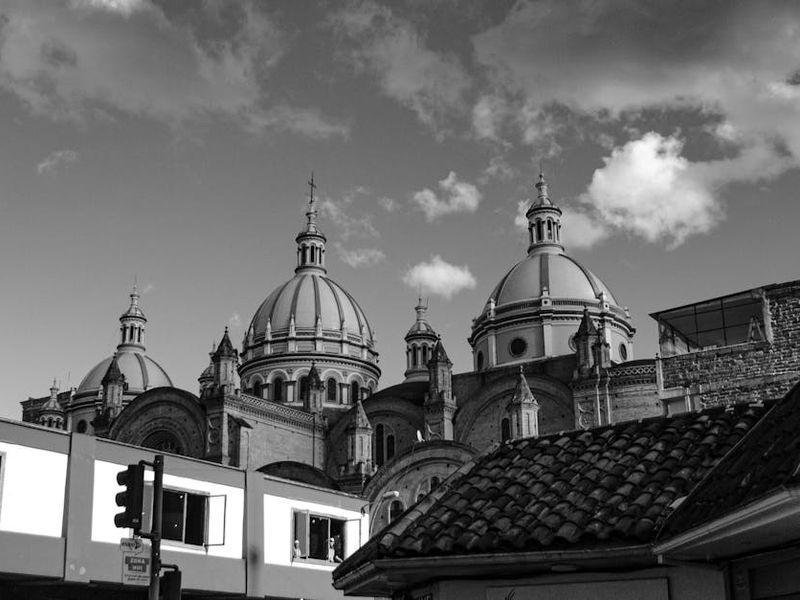
Moving from a fast-paced city to Cuenca, Ecuador’s jewel in the southern highlands, often feels like stepping into a different tempo. The city’s UNESCO-listed historic center, tree-lined riverbanks and steady stream of plazas encourage lingering, not rushing. At about 2,550 meters (8,400 ft) above sea level, Cuenca’s climate and culture naturally slow daily life. Understanding this rhythm is the first step toward not just surviving here, but thriving.
First Priorities: Practical Steps in Your First Month
When you arrive, prioritize three practical tasks that will make the transition smoother: set up reliable communication, learn the layout of essential services, and create a basic daily routine.
- Get a local SIM card — major providers like Claro and Movistar have good coverage in the city. Pop into a shop with your passport to activate a plan and data package.
- Locate health facilities — identify the nearest private clinic and the nearest public hospital. Cuenca has high-quality private care at affordable prices compared to North America and Europe, but knowing where to go for urgent needs reduces stress.
- Open a bank account if you plan to stay long-term. Banks require specific documentation, so bring your passport, proof of address, and, if applicable, residency or visa paperwork.
Adjusting to the Pace: Daily Habits That Help
Adapting to Cuenca’s unhurried lifestyle is mostly about changing habits. Try these practical tweaks:
- Plan slower mornings: Cuenca’s mornings are calm — enjoy a longer breakfast at a local panadería instead of rushing out the door.
- Layer clothing: Weather is mild but variable. A lightweight jacket, scarf and sunglasses will keep you comfortable when the sun breaks through the clouds after a cool dawn.
- Walk more: The historic center is compact and eminently walkable. Strolling along the Río Tomebamba’s malecón is a daily pleasure that invites you to slow down mentally too.
How to Navigate Local Services Without Frustration
One hallmark of Cuenca is that some services have their own rhythm — banks, clinics, and municipal offices may have slower queue systems and windows that close for lunch. Accepting this as normal rather than annoying saves energy. Some concrete tips:
- Avoid peak times: Go to banks and government offices mid-morning, just after opening. Noon-to-2pm tends to be slower for many stores.
- Bring patience and a book: Lines can move slowly. Consider bringing a small notebook or an offline map to make waiting productive.
- Use local helpers: Many expats use bilingual attorneys or gestorías (administrative agents) to handle residency paperwork, vehicle registration, and other bureaucratic tasks.
Learning Spanish: The Fastest Way to Feel at Home
Language is the key to integrating. While many people in tourism-related businesses speak some English, daily life — markets, medical appointments, neighborhood conversations — runs on Spanish. Practical ways to learn quickly:
- Enroll in a small language school: Cuenca has many reputable academies with conversation-focused classes.
- Attend language exchanges: Cafés and cultural centers host meetups where locals and expats practice together — a great way to make friends and learn colloquial Ecuadorian expressions.
- Practice with vendors: Buying produce or bread in the mercados is a low-pressure way to practice numbers and basic phrases.
Where to Shop and Eat: Embrace Local Markets and Foods
Shopping at Cuenca’s mercados is both economical and a cultural experience. Familiarize yourself with one or two markets for daily staples.
- Fresh produce markets: Local markets offer seasonal fruits, fresh herbs, and excellent produce at much lower prices than supermarkets. Learn the names of favorite items like avocados, tomatoes, and local fruits.
- Panaderías and cafeterías: Start your mornings at a neighborhood panadería: the selection of breads and sweet pastries is a delightful part of daily life.
- Try local dishes: Make time to enjoy Ecuadorian specialties: hearty soups, hornado (roast pork at ocasional markets), and llapingachos (potato cakes). If you’re adventurous, sampling cuy (guinea pig) at a traditional restaurant is a way to understand local food culture.
Choosing Where to Live: Neighborhoods and What They Offer
Cuenca’s neighborhoods have distinct personalities. Two well-known areas to consider:
- Historic Center (El Centro): Ideal for walkability, colonial architecture, plazas and close access to museums and cafés. It’s lively during the day and a cultural hub, but can be noisy on festival nights.
- Turi and the southern hills: Turi offers panoramic views of Cuenca and a quieter residential feel. It’s great for those who like to retreat from the city’s bustle.
Other neighborhoods are family-friendly suburbs with easy access to parks and schools; consider commute times and access to healthcare when choosing a home.
Transportation Tips: Getting Around the Slow Way
Cuenca’s transportation system supports a slower lifestyle. Basic facts and tips to navigate it:
- Buses: An extensive bus network connects the city. Fares are low and buses are frequent. Have small change ready as some machines and drivers might not make large change.
- Taxis: Taxis are inexpensive. Use official radio taxis or reputable ride-hailing apps when available for safety and price transparency.
- Walking and biking: The center’s compactness makes walking the most pleasant option. Many neighborhoods have bike lanes and community bike groups.
Health, Altitude and Wellbeing
At 2,550 meters, Cuenca’s altitude can affect newcomers for a few days. Here’s how to manage the physical side of slowing down:
- Hydrate: Drink water regularly. Altitude can accelerate dehydration.
- Take it easy at first: Avoid intense physical exertion in the first 48–72 hours.
- Learn where local pharmacies and clinics are: Private clinics offer quality care; many doctors are bilingual. Carry a small medical kit and know the address of the nearest emergency facility.
Making Friends and Finding Community
Building a social life is the best way to feel comfortable with a relaxed pace. Cuenca has active communities of locals and expats; here’s how to connect:
- Volunteer: Local nonprofits and cultural organizations always welcome help — volunteering accelerates language skills and local friendships.
- Join clubs: Gardening groups, hiking clubs that explore Cajas National Park, art classes and dance schools are common.
- Attend cultural events: Cuenca’s calendar includes religious festivals, music concerts and weekend craft fairs at Plaza Calderón and riverfront spaces — great places to meet neighbors.
Work and Productivity: Adapting Your Routine
If you’re working remotely or running a small business, balance productivity with the slower local tempo:
- Create a quiet morning routine: Many cafés offer pleasant workspaces with reliable Wi-Fi. Schedule deep-work blocks in the morning when cafés are calm.
- Embrace flexible timing: Local business hours and appointments may shift. Build flexibility into your calendar to reduce friction.
- Use coworking spaces: Several coworking venues in Cuenca provide stable internet, meeting rooms and community events for networking.
Embracing Festivals and Slow Sundays
Cuenca’s weekends are made for lingering. Sundays are perfect for long walks along the river, visiting artisan markets, and enjoying extended meals with friends. Make room in your schedule to:
- Explore museums and plazas: Museo Pumapungo offers insights into local archaeology and culture; small museums and galleries throughout the center highlight Cuenca’s artistic life.
- Attend local markets: Many neighborhoods host weekend mercados selling food, crafts and antiques — an excellent way to spend a slow day absorbing local rhythms.
- Celebrate seasonally: Participate in city festivals like Semana Santa or local patron saint fiestas — they’re memorable opportunities to meet locals.
Minimizing Culture Shock: Mindset Shifts That Help
Adjusting emotionally to a slower pace is less about logistics and more about mindset. Here are mental strategies that help:
- Reframe “slow” as “deliberate”: Cuenca’s pace is an invitation to savor, not to fall behind.
- Expect imperfections: Things may not always run on a strict timetable. Accepting this reduces stress.
- Keep curiosity front and center: Approach new experiences — a food you don’t recognize or a neighborhood parade — with an attitude of discovery.
Practical Checklists for the 30-, 90- and 180-Day Marks
To track your integration, use these milestone checklists:
First 30 days
- Set up a phone and internet connection.
- Find the nearest clinic and pharmacy.
- Familiarize yourself with a primary grocery market and a panadería.
- Begin basic Spanish lessons or conversation exchange.
30–90 days
- Open a bank account and sort out residency paperwork if needed.
- Join a local club or volunteer organization.
- Explore neighborhoods beyond the center and try Cajas National Park for a day trip.
90–180 days
- Build a regular routine around local rhythms (market days, cultural events).
- Find healthcare providers you trust and schedule preventive care.
- Deepen language skills and aim for local friendships through shared activities.
Safety, Security and Practical Comfort
Cuenca is widely regarded as a safe city, particularly in the historic center and established neighborhoods. Nonetheless, small precautions make life easier:
- Keep valuables discreet: Petty theft exists in any city. Use a crossbody bag and be mindful in crowded markets.
- Know emergency numbers: Have local emergency contacts and your country’s consulate details available.
- Insurance matters: Consider international health insurance or a local plan that covers private clinics.
Last Thoughts: Let Cuenca Change Your Pace
Settling into Cuenca’s relaxed lifestyle means more than adjusting schedules — it’s about shifting perspective. Instead of counting the minutes, measure your days by the coffee you enjoyed, the conversation you had at the market, or the quiet sunset from Turi. The city will offer you gentler rhythms, friendly neighbors and a wealth of cultural experiences. Move slowly, stay curious, and let the pace reshape how you live.
Ready to take the first slow step? Start with a morning walk along the Río Tomebamba, and notice how much the world looks different when you simply slow down and watch.