
Table of Contents
Why Spend a Week in Cuenca?
Cuenca is one of Ecuador’s most livable cities: compact, walkable, and rich with colonial charm, museums, markets, and nearby natural escapes. Seven days gives you time to move beyond the postcard sights and discover neighborhoods, artisan towns, highland lakes and the slow rhythms of local life without rushing. This guide lays out a practical, flexible week-long plan, plus local tips on transport, food, safety and weather so you can focus on enjoying the city.
Quick Practical Notes Before You Arrive
Cuenca sits at about 2,500–2,600 meters (8,200–8,500 ft) above sea level. That means days are mild and sunny but evenings can be chilly. The official currency is the US dollar. Spanish is the main language; a few phrases go a long way. Taxis are affordable, and the historic center is highly walkable — bring comfortable shoes.
- Time to acclimatize: Take your first day easy, hydrate and avoid heavy exertion to help with mild altitude adjustment.
- Money: ATMs are common; carry small bills for markets and crafts stalls.
- Safety: Cuenca is relatively safe — watch for pickpocketing in crowded areas and keep valuables secure.
- Hours: Museums tend to open ~9:30–10:00 and close around 5:00, while many shops in the center stay open later.
How to Use This Itinerary
Each day mixes iconic attractions with local experiences and time to relax. Swap days depending on weather and your energy. If you want more outdoor adventure, prioritize El Cajas earlier than craft towns. If you love markets and food, spend more time exploring market lanes and neighborhood cafés.
Day 1 — First Steps: Heart of the Historic Center
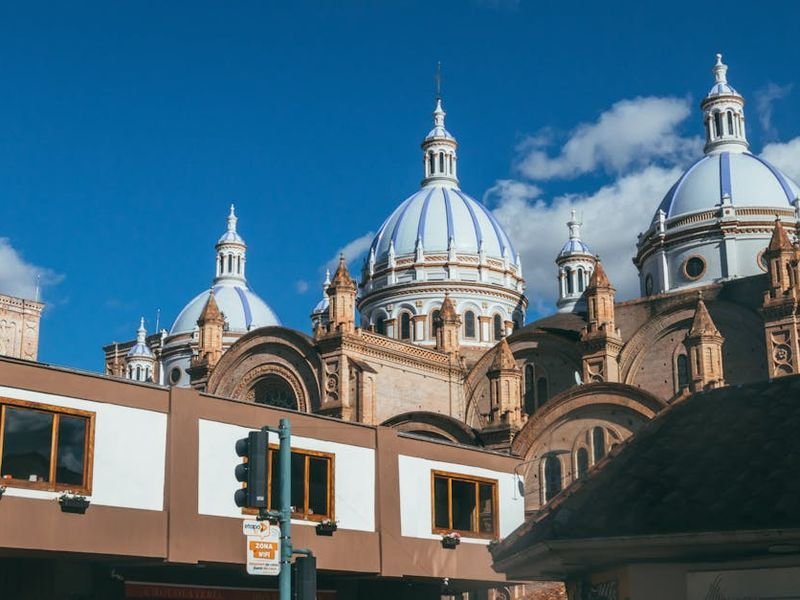
Spend your arrival day absorbing Cuenca’s core. Start at Parque Calderón, the central square lined with horse chestnut trees and azulejo-tiled facades. From there you’ll see the striking blue-domed New Cathedral (Catedral Nueva) — climb one of the towers if available for panoramic city views.
Stroll the Calle Larga and Calle Simón Bolívar corridors for early impressions of colonial architecture, small shops, and cafés. Stop for a late-afternoon cup of coffee and a slice of local bread — a gentle introduction to Ecuadorian flavors.
Evening
Dine near the plaza where restaurants offer both Ecuadorian dishes and international options. After dinner, walk the lit squares — Cuenca’s warm street lighting makes an evening stroll especially pleasant.
Day 2 — Museums, Churches and Pumapungo
Devote a day to Cuenca’s museums and archaeological sites. Begin at Museo Pumapungo (part of the Banco Central complex) which blends ethnography and archaeology, with open-air ruins and reconstructed indigenous dwellings.
Nearby is the Museo del Banco Central, which often schedules rotating exhibits featuring pre-Columbian goldwork and ceramics. Spend the afternoon at the Museum of Modern Art or the Museo de las Conceptas — a beautiful convent museum with textiles and religious art.
Practical Tips
- Buy combined tickets where available to save money.
- Bring a hat and sunblock for the Pumapungo gardens.
Day 3 — Markets, Food and the River Walk
Start early at a local market. Mercado 10 de Agosto (often busy in the morning) is a great place to watch vendors selling fruits, vegetables, cheeses and baked goods. Try a savory breakfast like llapingachos (potato patties) at a market stall or small restaurant.
Afterward, explore the riverside parks on the Tomebamba River. The river walk is gentle and peaceful — a local favorite for afternoon exercise. Stop at a café for a locally roasted coffee and people-watching.
Evening Food Experience
Book a table at a traditional restaurant to try signature dishes: hornado (slow-roasted pork), mote (hominy), and, for the adventurous, cuy (guinea pig). If you prefer lighter fare, Cuenca’s growing scene of international and vegetarian restaurants will satisfy.
Day 4 — Artisan Towns: Chordeleg and Gualaceo
Take a day trip southeast to two artisan towns famed for jewelry and textiles. Chordeleg is renowned for silver filigree jewelry and small workshops where you can see artisans at work. Nearby Gualaceo is known for colorful weavings and textiles.
How to go: shared minibuses (colectivos) run from Cuenca to these towns, or book a private driver/tour for convenience. Spend your time talking to makers, shopping for unique souvenirs, and enjoying roadside comida típica (home-style meals) at small family-run eateries.
Shopping Tips
- Inspect silver for hallmarks and ask about materials and care.
- Bargaining is normal in markets but be polite; know a fair price before committing.
Day 5 — El Cajas National Park: Lakes, Hikes and Highland Scenery
Reserve a full day for El Cajas National Park, a stunning páramo landscape of highland lakes and peat bogs less than an hour from Cuenca. Choose a short, guided hike to see the iconic glacial lakes and extreme biodiversity — bring warm layers and rain protection as weather changes quickly.
If you enjoy birdwatching, bring binoculars: the park has many endemic species. Many tours include a picnic lunch and transportation; if you go independently, hire a local guide at the park entrance to navigate the trails safely.
Safety and Comfort
- Altitude in El Cajas is higher than Cuenca — listen to your body and avoid pushing too hard.
- Wear sturdy hiking boots and pack snacks, water, and sunscreen.
Day 6 — Neighborhoods, Hidden Museums and Sunset at Turi
Spend a more relaxed day exploring lesser-known neighborhoods. Visit the Museo Pumapungo gardens if you missed them, or smaller private museums that showcase local crafts and history. Walk along Calle Larga’s side streets to discover boutique shops, art galleries and coffee roasters.
In the late afternoon, head up to the Mirador de Turi for sunset. The viewpoint sits on a hill above the city and offers one of the best panoramas of Cuenca and the surrounding valleys — it’s especially pretty as the cathedral domes catch the evening light.
Photo Tips
Arrive 30–45 minutes before sunset to secure a good spot. The light is excellent for cityscapes and close-up shots of church domes.
Day 7 — Optional Ruins, Hot Springs or Slow Day
Choose a final day depending on what you still want to experience. Options include:
- Ingapirca Ruins: Ecuador’s largest Inca archaeological site is a rewarding day trip (plan for 2–3 hours driving one way). Combine with a stop in the Cañar highlands.
- Relax: Spend a slow day revisiting a favorite café, shopping for last-minute gifts, or taking a cooking class to learn Ecuadorian dishes.
- Hot Springs: There are several thermal baths in the region that make a calming day trip if you want to soak and unwind.
Whichever option you choose, leave some free time to savor Cuenca’s ambiance before you depart.
Where to Eat: Local Flavors and Café Culture
Cuenca’s culinary scene blends Andean staples with global influences. Typical breakfast items include bolón (mashed plantain balls), pan de yuca and strong local coffee. For lunch and dinner, watch for menu del día deals (fixed-price three-course meals) at small restaurants — a budget-friendly way to try several dishes.
- Try traditional Ecuadorian items such as llapingachos, hornado, and mote.
- Seafood is popular in the coastal regions; in the highlands, pork, beef and local trout are common.
- Vegetarians will find growing options, especially in the central and expat-friendly neighborhoods.
Where to Stay: Neighborhoods Explained
Cuenca’s historic center is ideal if you want to be in the middle of the action — close to plazas, shops and restaurants. For quieter evenings, consider staying a few blocks out in El Vergel, Yanuncay, or the newer neighborhoods near the river. Boutique hotels and guesthouses are popular for their comfort and local style, while hostels offer budget-friendly social options.
Packing Checklist and Practical Gear
- Layered clothing (long-sleeve shirts, fleece, light jacket)
- Rain jacket or compact umbrella — afternoon showers are possible year-round
- Comfortable walking shoes and a light daypack
- Sunscreen and sunglasses (sun can be strong at altitude)
- Reusable water bottle, snacks for day trips
- Small amount of cash in small bills for markets
Budgeting Your Week: Cost Expectations
Cuenca is affordable compared to many North American and European cities. A realistic daily budget depends on your style:
- Budget traveler: $25–40/day — hostels, street food and public transport
- Mid-range: $50–120/day — boutique hotels, sit-down restaurants and guided tours
- Splurge: $150+/day — high-end dining, private excursions and luxury lodging
Entrance fees to museums and attractions are modest; day trips like El Cajas or Ingapirca typically add to the cost when you pay for guided transport.
Language, Etiquette and Local Tips
A few Spanish phrases will go far — polite greetings and “gracias” open doors and smiles. Locals appreciate respectful greetings and the customary handshake or light kiss on the cheek in social contexts. When shopping at markets, a friendly approach and a bit of negotiation will often yield a fair price.
Health and Safety Tips
Most travelers experience no major health issues in Cuenca. Keep these simple precautions in mind:
- Drink plenty of water to help with altitude; if you are sensitive, stick to bottled water for the first day or two.
- Carry a small first-aid kit and any prescription medications.
- Use common-sense safety: avoid flashing valuables, use the hotel safe for passports and large sums of cash, and take licensed taxis at night.
Final Notes: How to Make the Week Truly Yours
Cuenca rewards slow travel. Balance must-see attractions with spontaneous stops: a courtyard gallery, a corner bakery, or an artisan’s workshop can become the highlight of your trip. Ask locals where they spend Sundays, follow a street musician, and leave room in your schedule for rest. With seven days centered around the historic heart and a few well-chosen day trips, you’ll leave Cuenca with a layered sense of place — the city’s architecture, food, craft traditions and mountain landscapes all woven into one memorable week.
Buen viaje — enjoy your week discovering the mellow rhythms and cultural treasures of Cuenca.