
Table of Contents
Overview: Quito to Cuenca — The Choices
Traveling between Quito and Cuenca is a classic Ecuador journey: a high-Andean transit that can be fast, cheap, scenic, or deeply immersive depending on how you choose to travel. Roughly 450–500 kilometers separate the two cities by road; the terrain means travel times and experiences vary wildly. This guide breaks down the three main options — plane, bus, and car — with realistic time and cost estimates, safety and comfort notes, and local highlights to add along the way.
Quick Comparison: Time, Cost, and Comfort
Before diving into details, here’s a snapshot to help you decide at a glance:
- Plane: Fastest (about 50–60 minutes in the air), higher cost, best for saving time or avoiding mountain driving.
- Bus: Cheapest (budget to mid-range fares), overnight or day buses available, travel time typically 7–10 hours.
- Car (self-drive): Most flexible and scenic, travel time 7–10 hours depending on stops, costs depend on rental, fuel, and parking.
Flying: Speed and Convenience
Flying is the obvious choice when time is limited. Quito’s Mariscal Sucre International Airport (UIO) offers multiple daily flights to Cuenca’s Mariscal Lamar International Airport (CUE). Flight time is under an hour, but factor in time for check-in, security, and traveling to/from airports.
Pros and Cons
- Pros: Fast, avoids long mountain roads, convenient for short trips.
- Cons: Often more expensive than the bus, subject to weather delays (fog and mountain winds can affect schedules), and you miss the scenery on the ground.
Practical Tips for Flying
- Book early if you’re traveling in high season (June–August, holiday weeks) to get better prices.
- Arrive at the airport at least 60–90 minutes before domestic flights; local security and boarding procedures are straightforward but queues can form.
- Cuenca’s airport sits outside the city — plan on a 20–40 minute taxi or shuttle ride into town depending on traffic and your drop-off point.
- Compare fares on flight aggregators and the airlines’ websites; sometimes last-minute deals show up, but don’t count on them for peak travel times.
The Bus: Budget-Friendly and Social
Buses are the most common way locals travel between Quito and Cuenca. There are comfortable long-distance coaches with reclining seats, onboard bathrooms, and sometimes snacks or Wi-Fi. You’ll depart Quito from one of the main long-distance terminals (Quitumbe in the south is a major departure point) and arrive at Cuenca’s main bus terminal.
Types of Bus Services
- Standard interprovincial buses: frequent, affordable, and with regular stops.
- Executive or VIP buses: more legroom, fewer stops, and sometimes newer vehicles for an added fee.
- Overnight buses: save a night’s accommodation and arrive refreshed in the morning; choose reputable companies and keep valuables close.
What to Expect on the Ride
Expect varied road conditions — the main Pan-American corridor is generally paved and maintained, but weather, construction, or slower trucks can slow travel. Trips often take 8–10 hours. If you pick a daytime service, you’ll be rewarded with spectacular mountain views, but if you’re prone to motion sickness, consider travel preparation such as medication, ginger candies, or a seat up front.
Buying Tickets and Safety
- Buy tickets in advance during high season or for overnight services to secure the best seats.
- Keep your valuables with you and a photocopy of your passport; buses have luggage holds but supervise any checked bags.
- Look for buses with clear IDs, a driver and helper, and modern safety features where possible.
Driving: The Scenic, Flexible Option
Renting a car and driving from Quito to Cuenca is an excellent choice if you value freedom and want to explore the highlands at your own pace. The drive can be completed in one long day, but most travelers choose to stretch it into a two- or three-day road trip with stops at markets, viewpoints, and cultural sites along the way.
Typical Driving Route and Road Conditions
The most commonly used route follows the Andean spine through towns like Latacunga, Ambato, Riobamba, Alausí and then down toward Cuenca. Roads on the main corridor are generally paved and two lanes, with some four-lane stretches near larger towns. Mountain driving means hairpin turns, steep grades, and sometimes fog or sudden showers. Night driving is possible but less advisable due to wildlife, slow trucks, and fewer services at some stretches.
Essential Driving Tips
- Rent from a reputable company and ensure your rental includes proper insurance for mountainous roads and third-party coverage.
- Carry a physical map or offline GPS — cellular service can be inconsistent in remote sections.
- Fill your gas tank in larger towns; while fuel stations are common along the highway, remote detours can leave you far from a pump.
- Drive during daylight for better visibility and to enjoy the scenery. Allow extra time for stops.
- Park in secure lots or hotel garages in Cuenca; downtown streets can be narrow and busy.
Scenic Stops and Detours Worth the Time
One of the biggest advantages of taking a bus or driving is the ability to stop and explore. Here are a few high-value stops to consider:
- Riobamba and Chimborazo views: Highland foothills with mountain panoramas; from here you’ll see the massive profile of Chimborazo on clear days.
- Alausí and the Devil’s Nose: Famous for the dramatic railway descent; even if you don’t take the train, the town is a charming Andean stop.
- Ingapirca: Ecuador’s largest Inca archaeological site, located north of Cuenca — a short detour that offers historical depth and great photo ops.
- Ambato markets and fruit stands: Fresh local produce and a good place to sample Andean fruits and snacks.
Arrival in Cuenca: Practical Local Tips
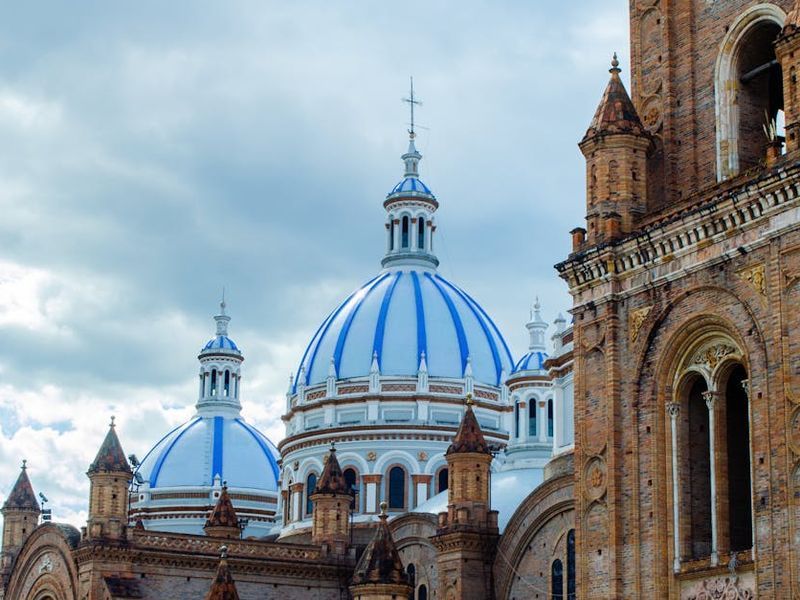
Cuenca is built on river terraces and is a UNESCO World Heritage city with a compact historic center, beautiful churches, and a lively local scene. When you arrive:
- Plan for downtown traffic if you arrive by car; the old town has narrow streets and limited parking.
- Choose lodging near the Parque Calderón or the Tomebamba River for easy walking access to main attractions.
- Explore Cuenca’s artisan workshops and hat-makers — the city is famous for handwoven Panama (toquilla) hats, and you can visit local ateliers to watch the process.
Costs to Expect (Rough Estimates)
Costs will vary by season and personal choices, but these ballpark figures will help you plan:
- Bus: Typically the most economical; expect to pay a modest fare for standard service and a bit more for VIP coaches.
- Flight: Domestic fares range widely depending on advance purchase and season — flying is noticeably more expensive than the bus but saves hours.
- Car rental: Daily rates vary by vehicle class and company; factor in fuel, possible tolls (few), and parking fees in Cuenca.
Who Should Choose Which Option?
To simplify the decision:
- Choose the plane if you have limited time or are on a tight schedule.
- Choose the bus if you’re on a budget, enjoy meeting locals, or prefer not to drive in the mountains.
- Choose to drive if you want flexibility, scenic detours, and the freedom to explore at your own pace.
Sample Itineraries by Traveler Type
Here are a few quick sample plans depending on how you like to travel:
Backpacker/Budget Traveler
Take a daytime or overnight bus from Quito. Stay in a budget hostal near the historic center and spend your first day exploring the markets, cathedral, and riverside walks. Use local transit or colectivos to visit nearby artisan communities.
Time-Pressed Business or Short Trip
Fly into Cuenca for a morning arrival. Use a taxi or hotel shuttle to get directly to meetings or your hotel. Save the evening for a quick walk around Parque Calderón and dinner in the old town.
Slow Road-Tripper
Rent a car and schedule two nights on the road, stopping in Riobamba, Alausí, and Ingapirca. Enjoy roadside markets, panoramic viewpoints, and leisurely meals in smaller towns before arriving in Cuenca refreshed and ready to explore.
Final Practical Notes
Remember these small but important details that make travel smoother in Ecuador:
- Ecuador uses the US dollar — cash is handy for small purchases and market stops along the way.
- Altitude: Both Quito and Cuenca sit over 2,500 meters above sea level. If you’re arriving from the coast or lowlands, take it easy on the first day to avoid altitude discomfort.
- Connectivity: Mobile data is generally available on the main route, but expect patchy coverage in remote mountain sections. Download offline maps if driving.
- Respect the weather: Mountain conditions change fast. If you’re driving, check forecasts and avoid risky night drives in heavy fog or rain.
Wrapping Up: Make the Trip Fit Your Style
There’s no one-size-fits-all answer for traveling between Quito and Cuenca. If speed and simplicity matter most, fly. If cost and local immersion are priorities, the bus is a great choice. If adventure, scenic flexibility, and side-trip possibilities excite you, bring a map and hit the road. Whichever method you pick, the journey across the Andes is part of the reward — with volcano peaks, highland markets, and Inca ruins enriching the trip as much as the destinations themselves. Buen viaje!