
Table of Contents
Why Cuenca deserves a careful first visit
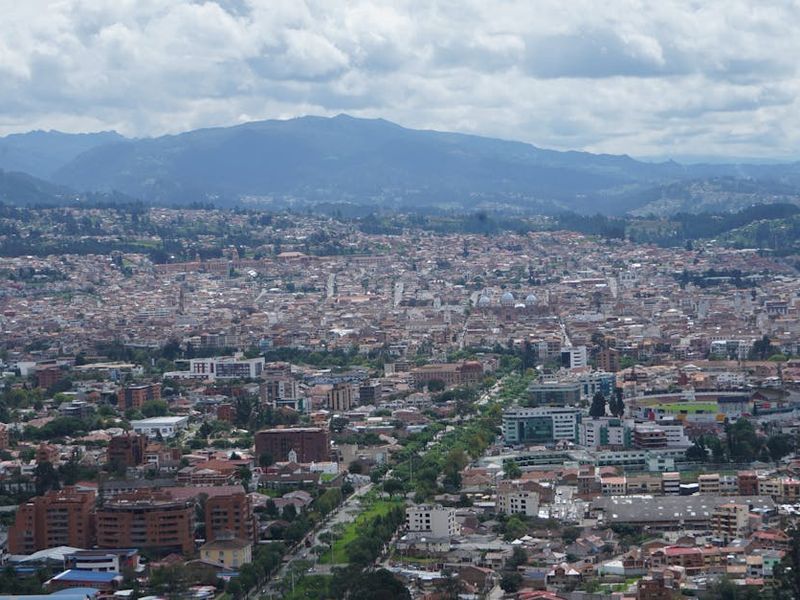
Cuenca is one of Ecuador’s most welcoming cities: a UNESCO-listed colonial center, lively riverfront promenades, a booming café culture and easy access to mountain landscapes. But first-time visitors can make small mistakes that cost time, money or comfort—especially at this city’s high elevation and relaxed pace. This guide gives concise, practical tips so your arrival, first days and onward adventures go smoothly.
Before you leave: planning essentials
Start with a few basics: book at least your first night’s accommodation near the Historic Center if you want to walk to major sights, and consider travel insurance that covers altitude-related issues and medical evacuation. Make a copy of your passport and keep a photo of it in your email or cloud drive. The official currency is the U.S. dollar, so you won’t need to exchange money—but do bring small bills for taxis, markets and tips.
Documents, money and cards
- Passport: required and often requested at hotels and SIM shops.
- Credit/debit cards: accepted widely but many small shops and markets are cash-only.
- ATMs: plentiful in Cuenca—use bank ATMs for better security and lower fees.
- Register travel alerts with your bank and bring a backup card kept separate from your main wallet.
Packing for the elevation and climate
Cuenca sits at roughly 2,500–2,600 meters (about 8,200–8,500 ft) above sea level. That altitude brings bright sun, cool nights and quick weather shifts. Pack layers, sunscreen and a rainproof jacket.
Must-haves
- Lightweight layers: thin sweaters, a warm jacket for evenings.
- Sun protection: high-SPF sunscreen, sunglasses and a brimmed hat.
- Rain gear: compact waterproof jacket or poncho—rain can arrive unexpectedly.
- Comfortable walking shoes: cobbled streets and riverfront paths invite walking.
- Basic meds & hydration aids: anti-diarrheal, electrolyte packets and a small first-aid kit.
Health and altitude tips
Most visitors adapt to Cuenca’s elevation without serious issues, but mild symptoms (headache, shortness of breath, fatigue) are common. Plan a low-key first 24–48 hours: take it easy, drink plenty of water and avoid heavy exercise.
Practical steps to acclimatize
- Hydrate before and during your flight—dehydration worsens altitude effects.
- Limit alcohol and heavy meals on day one; alcohol can disturb sleep and hydration.
- Rest if you feel breathless; short walks are fine, but save strenuous activities like long hikes in high-altitude parks for day two or three.
- Consider bringing altitude remedies if you are particularly sensitive; consult your doctor if you have chronic heart or lung conditions.
Arriving: Cuenca’s airport, taxis and public transit
Mariscal Lamar (CUE) is the small airport serving Cuenca. Flights from Quito or Guayaquil arrive frequently. Plan extra time for taxi waits during peak hours and don’t be surprised if local drivers need cash.
Getting from the airport
- Taxi: The simplest option; use official booths inside the terminal or ask your hotel to arrange a taxi.
- Private transfer: Bookable in advance and recommended if you arrive late or with lots of luggage.
- Public transit: Cuenca has a modern tram (tranvía) and bus network, but these are less convenient for airport pickups—taxis are faster.
Where to stay: neighborhoods & walkability
Staying near the Historic Center puts you within easy walking distance of Catedral Nueva, Parque Calderón and riverside terraces. If you prefer quieter evenings, choose lodgings a short taxi ride from the center in residential areas. Many first-time visitors enjoy the convenience of the center’s cafés, museums and restaurants while appreciating the quieter streets just a few blocks out.
Getting around the city
Cuenca is compact and very walkable in the center. For longer trips, use registered taxis or the local bus/tram system.
Tips for public transit and taxis
- Tram and buses: cheap and useful for certain routes—grab a local transit map at your hotel or use offline maps to plan trips.
- Taxis: Use official taxis with meters or have your hotel call a cab. Negotiate fares for longer rides before getting in if the meter isn’t used.
- Ride-hailing apps: Availability varies; check locally as regulations change.
Top sights and easy day trips
Cuenca offers a mix of architecture, museums and nature. Don’t rush—you’ll get the most from the city by balancing a few must-see spots with slow afternoons in cafés and riverside parks.
Within the city
- Historic Center and Parque Calderón: Marvel at the cathedral’s domes, stroll plazas and discover artisan shops.
- Riverside walks along the Tomebamba: Well-kept paths, bridges and cafés make this a favorite afternoon spot.
- Pumapungo Museum and archaeological areas: Offers context for the Inca and pre-Inca history around Cuenca.
- Mirador de Turi: A short ride up the hill gives sweeping city views—best near sunset.
Popular day trips
- Cajas National Park: Spectacular highland lakes and hiking; bring warm clothing and plan at least a half-day or full day.
- Ingapirca ruins: The largest known Inca site in Ecuador—combine with local markets for a cultural day trip.
- Nearby artisan towns: Look for silverwork and textiles in surrounding towns—perfect for unique souvenirs.
Food, dining and market experiences
Cuenca’s food scene blends Andean staples with fresh produce and growing international options. Street food and market stalls are delicious and affordable, and restaurants range from traditional to contemporary.
What to try
- Locro de papa: A hearty potato and cheese soup—comfort food at high altitude.
- Llapingachos: Potato patties often served with sausage, salad and avocado.
- Cuy (guinea pig): A traditional Andean specialty—try it at a reputable restaurant if you’re adventurous.
- Fresh fruit and coffee: Markets and cafés offer excellent local coffee and exotic highland fruits.
Market and tipping tips
Visit local markets in the morning for the freshest produce and prepared foods. Haggling is normal in handicraft stalls but less so for food. Many restaurants add a service charge (sometimes 10%); leaving a small tip for good service is appreciated.
Language and local customs
Spanish is the primary language. Learning a few Spanish phrases will go a long way—people appreciate the effort. A warm, polite greeting is important; a single cheek kiss among acquaintances or a handshake in formal situations is common.
Respectful behavior
- Dress modestly when visiting churches and religious sites.
- Ask before taking photos of people, particularly in indigenous markets or rural areas.
- Be patient and polite—service can be unhurried and friendliness goes a long way.
Safety basics for first-time visitors
Cuenca is considered one of the safer cities in Ecuador, but petty theft happens. Use common-sense precautions: don’t flash expensive items, keep backpacks zipped, and use hotel safes for passports and extra cash.
Nighttime and solo travel tips
- Stick to well-lit, populated areas at night—taxis are inexpensive and preferable for late returns.
- If walking, stay near Parque Calderón or the Tomebamba where there are more people and police presence.
- Have your hotel call a taxi rather than hailing one on the street after dark.
Connectivity, phone SIMs and internet
Wi-Fi is common in hotels and cafés. If you need reliable mobile data, buy a local prepaid SIM from major providers—bring your passport to register. Many travelers also rely on WhatsApp for communication; it’s widely used by locals and businesses.
Practical day-one schedule for first-timers
Here’s a simple plan to help you acclimatize while seeing highlights.
- Morning: Arrive, check into your hotel and rest. Hydrate and enjoy a light lunch nearby.
- Afternoon: Take an easy walk along the Tomebamba and visit Parque Calderón to see the cathedral.
- Evening: Dinner at a nearby restaurant—keep it light. Sleep early to recover from travel and altitude.
Money-saving and ethical travel tips
Eat like a local at market food stalls for great value, and shop at smaller artisan cooperatives if you want to support local makers directly. Avoid buying items made from endangered wildlife or rare materials.
When things don’t go as planned
Cuenca has solid private medical clinics and English-speaking staff at many hotels can help with appointments or prescriptions. In case of lost documents, contact your embassy or consulate as soon as possible. Keep digital copies of important documents to speed up replacement procedures.
Final quick checklist for your Cuenca trip
- Layers, sunscreen and rain jacket
- Photocopy of passport and travel insurance details
- Small USD bills and one backup credit/debit card
- Spanish phrase sheet and offline maps (Google Maps offline or Maps.me)
- Plan a relaxed first day to acclimatize
Parting advice
Cuenca rewards slow travel: take time to sip coffee in a plaza, wander the old streets without an agenda and speak to locals. With a little preparation for the altitude, a few safety habits and an open attitude, your first visit will likely invite you back. Enjoy the mix of colonial charm, Andes scenery and warm Ecuadorian hospitality—Cuenca is a place where a careful arrival leads to memorable days.