
Table of Contents
Why Cuenca’s Historic Center Is a UNESCO Treasure
Perched in the southern highlands of Ecuador, Cuenca’s historic heart — officially the Historic Centre of Santa Ana de los Ríos de Cuenca — earned UNESCO recognition for the exceptional preservation of its colonial layout, stone architecture and living traditions. The designation (awarded in 1999) recognizes not just individual buildings but a coherent urban fabric where plazas, churches, rivers and artisan neighborhoods continue to shape daily life.
What Makes the Architecture Special?
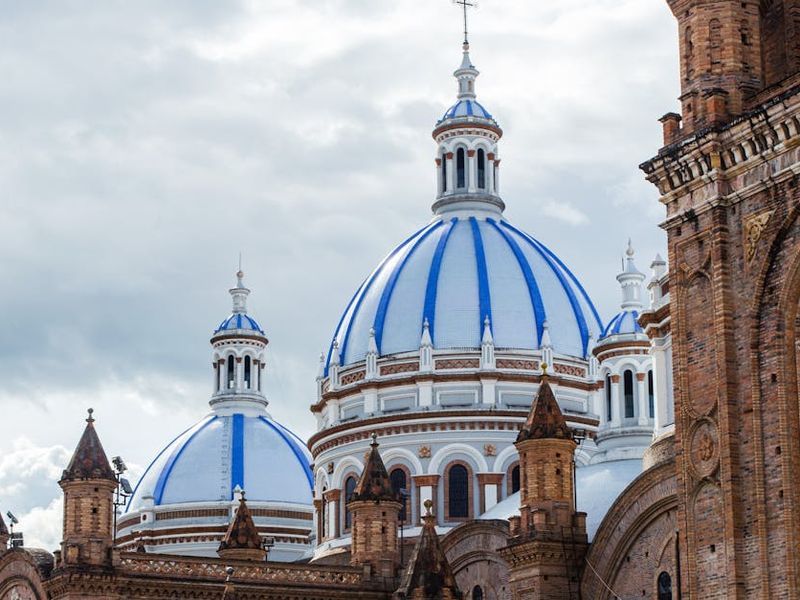
The city’s architecture is a layered story. Spanish colonial planning laid down a clear grid around a central plaza; indigenous and mestizo craftsmanship applied decorative stonework, carved wooden balconies and colorful tile roofs; and 19th- and early-20th-century tastes introduced European revival styles into churches and public buildings. Walk here and you’ll notice baroque facades rubbing shoulders with neoclassical details and the distinctive blue-tiled domes that now symbolize Cuenca to the world.
Top Architectural Highlights (What to See and Where)
Parque Calderón and the Heart of the Grid
Start at Parque Calderón — Cuenca’s main square — the social compass of the historic center. Arcaded buildings, cafes and municipal offices frame the plaza; from here major streets branch off in the orderly colonial grid. Take time to study the façades around the square: many have restored wooden balconies, carved stone lintels and hand-laid cobblestones beneath your feet.
The Blue Domes: Catedral de la Inmaculada Concepción
The cathedral with the unmistakable sky-blue domes dominates the skyline. Officially the Catedral de la Inmaculada Concepción, the building blends European revival styles and local stonework. If you can, buy a ticket to climb one of the bell towers — the view of the domes up close and the panorama of the city and surrounding Andes is superb. Note: tower access is usually timed and may have a small fee.
The Old Cathedral and Adjacent Churches
Near the new cathedral stands the Old Cathedral (Catedral Vieja) with a more restrained profile that contrasts with the ornate newer structure. Scattered through the center are many parish churches — San Francisco, El Carmen and smaller chapels — each demonstrating variations on colonial design and local craftsmanship. Interiors can be richly decorated with gilded altars, carved choir stalls and painted ceilings.
Pumapungo Archaeological Park and Museum
Just a short walk from the center, Pumapungo is a compact archaeological park and museum where you can see Inca ruins, ancient terraces and ethnographic exhibits. The site helps connect the colonial streets above with the pre-Columbian cultures that shaped the region. The museum’s gardens and living exhibits are a pleasant contrast to stone churches and plazas.
Riverbanks of the Tomebamba and the Old Bridges
The Tomebamba River weaves through Cuenca and its formal stone embankments and arched bridges form an essential part of the urban composition. Stroll along the riverside promenades at different times of day — morning mist and evening light paint the historical facades in very different moods. Keep an eye out for small squares and viewpoints tucked between blocks.
Calle Larga and the Commercial Arcades
Calle Larga is a long thoroughfare that threads the center with shops, galleries and restaurants. Its continuous façades and lively street life demonstrate how historic buildings adapt to modern use without losing character. This is a great area to window-shop, sit for coffee and watch artisans at work in small storefronts.
Practical Walking Route: Half-Day and Full-Day Options
Half-Day (Best for a First Encounter)
- Start at Parque Calderón and explore the surrounding arcades
- Visit the New Cathedral (and climb a tower if available)
- Walk to the Old Cathedral and nearby chapels
- Stroll down Calle Larga for shops and coffee
- Finish with a short riverside walk along the Tomebamba
Full-Day (Deep Dive)
- Begin at Parque Calderón and take a guided walking tour or pick up a printed map at the tourist office
- Explore interior chapels and small museums (check opening times)
- Head to Pumapungo for archeology and gardens, and lunch nearby
- Walk the lower riverside promenades and cross older bridges
- Spend the afternoon in artisan neighborhoods, visit a hat workshop, and return to the plazas at sunset
Guides, Tours and Self-Guided Options
Guided walking tours give historical context and point out architectural details you might miss. Many local guides are independent and happy to tailor a route to your interests (architecture, photography, religious art). Free-walk options include downloadable audio guides and printed maps from the municipal tourist office beside Parque Calderón. If you prefer a relaxed pace, consider a private guide for two to three hours — prices vary but are often modest compared to international cities.
Photography and Viewing Tips
Cuenca’s sun angle and mountain backdrop make for dramatic images. For the best light on the blue cathedral domes aim for early morning or late afternoon; mid-day can wash out colors. Consider a vantage point from a bell tower or a riverside terrace; polarizing filters help make the domes pop and reduce reflections on tiled roofs.
- Respect interiors: no flash in many chapels and be quiet during services.
- Flag down a rooftop café for a higher angle; these spots are perfect for capturing the cityscape.
- Bring a stable pair of shoes — cobbles and uneven steps are common.
Practical Information: Hours, Tickets, Accessibility
Many churches are open to visitors most days but close briefly for services. Pumapungo and established museums have set hours (often morning through late afternoon) and small entry fees. The New Cathedral may charge to access bell towers.
Accessibility varies. The main plazas and many streets are level, but numerous side streets have steep grades and cobblestones. Wheelchair access is improving, but plan ahead — call or email museums and tour operators if you need assistance. Taxis are inexpensive and can take you to viewpoints such as Mirador de Turi (higher above the center) if walking uphill is a concern.
Responsible Tourism and Preservation Etiquette
Because the center is a living neighborhood, responsible behavior preserves both architecture and quality of life. Follow these simple practices:
- Stay on designated paths and avoid stepping on decorative stonework or altars.
- Ask permission before photographing people, especially clergy and vendors.
- Support local conservation by visiting small museums and buying crafts directly from artisans.
- Keep noise to a minimum near churches and residential buildings — the old town is home to many families.
Hidden Gems and Lesser-Known Stops
Beyond the main monuments, Cuenca has smaller architectural delights: discreet courtyards behind unmarked doors, artisanal workshops whose facades have unique tile patterns, and quiet chapels with original woodwork. Seek out lanes that slope down toward the river — they often reveal restored mansions with intricate ironwork or small balconies where elderly residents feed pigeons.
Ask at a café for recommendations — many baristas and shop owners will happily point to a nearby patio, a little-known viewpoint, or a family-run museum that offers intimate insight into local traditions.
Where to Eat and Drink Near the Monuments
The historic center is full of cafés, bakeries and small restaurants tucked into colonial buildings. Look for patio dining in restored mansions where you can relax and view the architecture while you eat. Street vendors offer traditional snacks and drinks; try local options such as fresh fruit juices, empanadas, and small plates that pair well with a mid-walk break.
For dinner, Calle Larga and streets adjacent to Parque Calderón have a concentration of restaurants ranging from budget-friendly to more refined kitchens placed in atmospheric historic settings.
When to Visit: Seasons, Crowds and Special Events
Cuenca’s climate is mild year-round thanks to its elevation; however, the dry season (roughly June to September) is typically more predictable for long strolls and photography. Weekdays are quieter in the historic center; weekends and holidays draw more locals and tourists to plazas and restaurants.
Cultural and religious festivals — especially Holy Week — transform the historic center with processions and local celebration. These periods are fantastic for experiencing living traditions, but they can also mean closures of some sites and heavier foot traffic.
Safety, Money and Practical Tips
- Cuenca is considered one of Ecuador’s safest cities, but standard precautions against pickpocketing still apply — keep valuables secure when streets become crowded.
- Carry small change for entry fees, tips and street food; most restaurants and museums accept cards, but smaller vendors may not.
- Wear comfortable shoes and a light rain layer — mountain weather can be changeable.
- Plan to walk — the best architectural discoveries often happen away from the main thoroughfares.
Final Thoughts: How to Make the Most of Your Visit
Cuenca’s historic center rewards slow travel. Let your pace be dictated by discoveries — an inviting doorway, a rooftop view, an artisan at work — rather than a fixed checklist. Mix key monuments with unhurried exploration of small side streets, riverside paths and neighborhood markets. This blend of planned highlights and spontaneous detours is what reveals why UNESCO recognized Cuenca: a city whose architecture is not frozen in time, but actively lived in, cared for and retold by its people.
Whether you’re a first-time visitor or revisiting the stone streets, carry curiosity, respect the living heritage, and take more time than you think you need — Cuenca’s architecture opens up when you allow it to.