
Table of Contents
Why a Week in Cuenca Is a Great Choice
Cuenca’s compact historic center, lively markets and access to spectacular Andean landscapes make it ideal for a one-week stay. You’ll have time to savor the city’s culture and cuisine, dig into its artisan scene, and take two or three rewarding day trips without rushing. This guide gives a relaxed, practical seven-day plan plus tips on where to stay, how to get around, and what to pack.
Practical Essentials Before You Go
Altitude and Weather
Cuenca sits at roughly 2,500–2,600 meters (about 8,200–8,500 feet). Most travelers feel only mild effects — light breathlessness or disrupted sleep — but it’s wise to take the first day easy. The climate is spring-like year-round: cool nights, sunny afternoons, and sudden showers. Pack layers, a waterproof jacket, and sturdy shoes.
Money, Connectivity, and Safety
Ecuador uses the U.S. dollar. ATMs are abundant; many restaurants and shops accept credit cards but carry cash for markets and taxis. Local SIM cards (Claro or Movistar) are affordable and provide good coverage. Cuenca is considered one of Ecuador’s safer cities, but standard precautions apply: watch belongings in crowded markets and avoid poorly lit streets late at night.
Where to Stay: Neighborhoods that Fit Your Style
The Centro Histórico around Parque Calderón is the best place to stay if you want walkability: cathedrals, cafes and museums are steps away. If you prefer quieter mornings, choose accommodation along the Tomebamba River or in the neighborhoods of San Sebastían and Baños — still central but calmer. For a more local experience, look at short-term apartments near Calle Larga where small markets and bakeries dot the streets.
Overview: A Relaxed 7-Day Itinerary
- Day 1: Arrival, Plaza Calderón and an easy evening
- Day 2: Historic center walking tour and museums
- Day 3: Artisan towns — Chordeleg and Gualaceo
- Day 4: Cajas National Park day trip
- Day 5: Ingapirca ruins and surrounding villages
- Day 6: Neighborhood exploration, markets, and artisan workshops
- Day 7: Leisure day — shopping, coffee, and a sunset viewpoint
Day 1 — Arrival and a Gentle Introduction
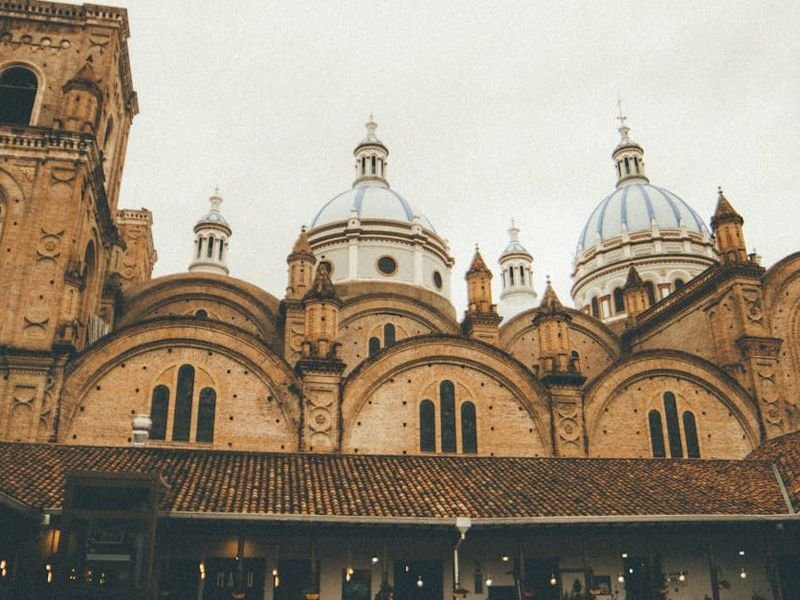
After you arrive and settle into your accommodation, take an easy walk to Parque Calderón, the city’s main square. The square is framed by the striking blue-domed New Cathedral and the smaller old cathedral. Spend the afternoon sipping coffee at a café on Calle Larga or wandering the riverside Paseo del Río along the Tomebamba. Keep this day low-key: short walks, people watching, and a simple dinner to beat jet lag and let your body adjust.
Day 2 — Historic Center: Churches, Museums and Riverside Strolls
Museo Pumapungo and Archaeology
Start at Museo Pumapungo, which combines archaeology, ethnography and a lush botanic garden. The museum also contains Inca-era ruins and reconstructed dwellings — an excellent primer for later visits to Ingapirca.
Cathedrals and Art
Walk back through the historic grid to visit the New Cathedral (Catedral Nueva) with its iconic blue domes. Cross the plaza to see the older church facades and pop into small religious art museums and galleries that often hide behind colonial doors. Take plenty of photos of Calle Larga’s architecture and stop at a rooftop bar for views over red tile roofs.
Day 3 — Chordeleg and Gualaceo: Silver, Textiles and Local Markets
Take a half-day or full-day trip to the artisan towns of Chordeleg and Gualaceo. Chordeleg is renowned for fine silverwork — filigree jewelry shops line the streets and many workshops welcome visitors. Gualaceo offers a lively market with textiles, leather goods and fresh produce. These towns are easy to reach by bus or with a small-group tour. Look for demonstration workshops where you can try simple techniques and buy directly from makers.
Day 4 — Cajas National Park: Lakes, Hikes and Highland Scenery
Reserve a full day for Parque Nacional Cajas. The park’s páramo landscape features hundreds of glacial lakes, peat bogs and craggy hills. Popular shorter hikes lead to viewpoints and lakes easily accessible from the main entrance; longer treks reward experienced hikers with quieter vistas. Dress in layers, bring water, snacks and waterproof boots. A guided tour helps if you want local knowledge about flora, fauna and safe routes.
Day 5 — Ingapirca and Pre-Columbian History
Ingapirca is the largest known Inca ruins in Ecuador and a compelling day trip from Cuenca. The site centers on the Temple of the Sun and includes defensive walls, terraces and old local villages. Combine your visit with a stop in the nearby town for a regional lunch. If you prefer organized logistics, many operators run full-day tours that include transportation and a guide.
Day 6 — Neighborhood Discovery: Turi, El Barranco and Food Experiences
Turi Lookout and Local Views
Ride or take a taxi up to the Mirador de Turi for a panoramic view of Cuenca’s red roofs and valley setting. The lookout area has small artisan stalls and cafes; it’s especially lovely at sunset.
El Barranco and the Tomebamba River Walk
Return to El Barranco, the steep riverside quarter with narrow stairways, galleries and boutique shops. Wander the riverside promenades and stop at a chocolate or coffee workshop for a tasting. Consider booking a cooking class focused on Andean dishes like llapingachos, locro de papas and mote — a hands-on way to learn local flavors and meet other travelers.
Day 7 — Shopping, Markets and a Slow Goodbye
Use your last day to revisit favorite spots, shop for souvenirs and relax. Markets around the city are great for picking up textiles, Panama-style hats woven in the region, alpaca sweaters and handmade jewelry. If you want one last indulgence, book a short spa session or enjoy a leisurely brunch on Calle Larga. Finish at a viewpoint or rooftop bar for a final sunset over the city.
Food and Drink: What to Try and Where to Eat
Cuenca’s food scene mixes traditional highland dishes with modern cafes and international options. Don’t miss local specialties: llapingachos (potato pancakes), mote (hominy), fritada (fried pork) and, for the adventurous, cuy (roasted guinea pig). Markets and food stalls are excellent for inexpensive, authentic meals. For coffee lovers, Cuenca has a growing specialty coffee community; visit micro-roasters and try a tasting flight to compare beans grown in the surrounding highlands.
Getting Around: Buses, Taxis and Walking
The historic center is very walkable; many neighborhoods are best enjoyed on foot. For longer trips, city buses are cheap and frequent, while taxis are convenient and reasonably priced for evenings or uphill trips (expect short rides to cost a few U.S. dollars). Organized day tours are a stress-free option for Cajas, Ingapirca and artisan towns, especially if you prefer a guide and door-to-door transport.
Practical Tips to Make Your Week Smoother
- Pack layers — temperatures can change quickly from morning to evening.
- Bring comfortable walking shoes — cobblestones and hills are everywhere.
- Carry small bills and coins for market purchases and tips; 10% is customary in restaurants if service isn’t included.
- Plan high-altitude hikes for the middle of your trip after you’ve acclimatized a bit.
- Book Cajas or Ingapirca in advance during high season (June–August and holidays) to secure a spot on a tour.
- Be flexible — some of the best discoveries are unplanned: a small gallery, a street musician, or a family-run bakery.
Best Time to Visit
Cuenca’s pleasant year-round climate means it’s a good destination anytime. Dry months (generally mid-year) are best for outdoor hikes and long day trips, while the shoulder seasons have fewer crowds and lower prices. Check the local events calendar before you travel — festivals and religious observances can add special cultural experiences but may increase demand for hotels and tours.
Extra Experiences Worth Adding If You Have Time
If your week leaves room for an extra half-day or two, consider these options: a chocolate-making workshop to learn about local cacao; an agritourism visit to a nearby farm for cheese and dairy tastings; or a short overnight trip to a hacienda for a slower-paced country experience. For artisan lovers, personalized tours of silver workshops in Chordeleg or weaving cooperatives near the city reveal age-old techniques and connect you to makers.
Final Thoughts: A Week That Feels Unhurried
Spending seven days in Cuenca gives you the luxury of balance: explore world-class museums and cathedrals, take time for riverside walks and café culture, and venture into the surrounding highlands without the rush of back-to-back sightseeing. With a mix of planned excursions and leisurely afternoons, you’ll leave with a good understanding of Cuenca’s history, contemporary life and the artisan traditions that make the region special.
Enjoy your week in Cuenca — slow down, taste the food, talk to the artisans and let the city’s quiet energy linger long after you’ve packed your bags.