
Table of Contents
Welcome to Cuenca: A Quick Orientation
Cuenca draws travelers with its colonial charm, blue-domed cathedral and a comfortable, highland climate. Nestled in Ecuador’s southern highlands at about 2,560 meters (8,400 ft), the city mixes UNESCO-listed cobblestone streets with a lively arts scene and easy access to mountain landscapes. If this is your first visit, a little planning goes a long way toward enjoying Cuenca’s relaxed rhythm and abundant sights.
Before You Go: Practical Preparations
Start with a few basics to make your arrival smooth. Ecuador uses the US dollar, so there’s no currency exchange stress on arrival. Bring a copy of your passport and print your travel insurance policy; many pharmacies and medical clinics will ask for ID. Download offline maps (Google Maps offline or Maps.me) and an offline Spanish phrasebook—Wi-Fi is common in hotels and cafes, but having offline help is invaluable when wandering the historic center.
Packing for the Andean Climate
Cuenca’s elevation makes the weather pleasantly cool year-round but changeable. Pack layers: lightweight shirts, a warm fleece or sweater, a waterproof jacket, and a scarf for blustery evenings. Bring sturdy walking shoes—the historic center’s cobblestones are picturesque but uneven. Sun protection is essential at altitude, so include SPF 30+, sunglasses, and a hat.
Arriving in Cuenca: Airport and Transfers
Most international visitors fly into Mariscal La Mar International Airport (CUE), a short drive from the city. Taxis and airport shuttles are available; book a reliable transfer through your hotel or a trusted provider when you can. Expect about a 20–30 minute drive into town depending on traffic. If you arrive by bus from Quito or Guayaquil, the terminal is well-connected—coach services are comfortable and an economical way to experience Ecuador’s varied landscapes.
Where to Stay: Neighborhoods for First-Time Visitors
For a first visit, choose accommodation inside or near the historic center (Centro Histórico). You’ll be within walking distance of the Catedral Nueva (New Cathedral), Parque Calderón and the riverside walks along the Tomebamba. The advantages include easy access to morning markets, restaurants and museums—great for short stays or if you want to explore on foot.
Quieter Alternatives
If you prefer a calmer base, look at neighborhoods just outside the center like San Sebastián or El Vergel. These areas are still close to city highlights but tend to be quieter at night and offer leafy streets and local cafés.
Getting Around: Buses, Taxis and Walking
Cuenca is very walkable—many of the major attractions in the historic district are clustered together. For longer distances, local buses are inexpensive and frequent. Taxis are plentiful and affordable; if you’re unsure about street haggling, ask your hotel to call a taxi or use a ride-hailing app when available. Always carry small bills for quick transactions and single-ride fares.
Tips for Public Transport
- Keep coins and small bills handy for bus fares.
- Confirm the fare or ask the driver before starting a taxi trip if the taxi doesn’t have a visible meter.
- For day trips (Cajas, Ingapirca), use authorized tourist buses or join a small-group tour for convenience and local insight.
Money Matters, Cards and ATMs
Ecuador’s official currency is the US dollar. ATMs are widely available in Cuenca’s center and bank branches are reliable. Many restaurants and larger stores accept credit cards, but small vendors and markets often prefer cash. For safety and flexibility, bring a mix of cash and cards, and notify your bank before travel. Consider using contactless payments where possible, and store backup cash in a secure place—wallet in your front pocket and extra in a hotel safe.
Health & Altitude: What to Expect
At 2,560 meters, some visitors feel mild symptoms of altitude adjustment: slight breathlessness, tiredness or headaches. Drink plenty of water, move at a relaxed pace for the first day, and avoid heavy exertion on your first 24–48 hours. Coca tea (mate de coca) is a common local remedy many visitors use to help with acclimatization. If you have chronic health conditions, consult your doctor before travel and ensure your travel insurance covers altitude-related care.
Safety and Common-Sense Tips
Cuenca is generally considered safe for travelers, but standard urban precautions apply. Keep valuables out of sight, use a money belt or anti-theft bag in crowded spots, and be cautious around ATMs at night. It’s best to walk in well-lit areas after dark and, when possible, use a taxi for late-night returns. If something is lost or stolen, file a police report for insurance claims—your hotel can advise on the nearest station.
Food, Drink and Local Flavors
Cuenca’s cuisine blends Andean staples with coastal influences. Try local favorites like locro de papa (creamy potato and cheese soup), hornado (slow-roasted pork), and traditional cuy (guinea pig) if you’re adventurous. Soups and street food are delicious; use your judgment about freshness—eat where locals eat for both flavor and safety. Tap water in many modern accommodations is treated, but if you have a sensitive stomach, stick to bottled or filtered water during the first days.
Cafés, Pastries and Chocolate
Cuenca has a thriving café scene—perfect for coffee lovers and remote workers. Try pan de yuca (cheesy bread) and local bakeries’ sweet treats. Ecuador produces fine cacao, and artisan chocolate shops in town offer tastings and small bars to take home as gifts.
Must-See Sights in Cuenca
Plan time to wander the historic core and a few museums. Highlights include:
- The New Cathedral (Catedral de la Inmaculada) with its distinctive blue-tiled domes—climb a tower for panoramic city views.
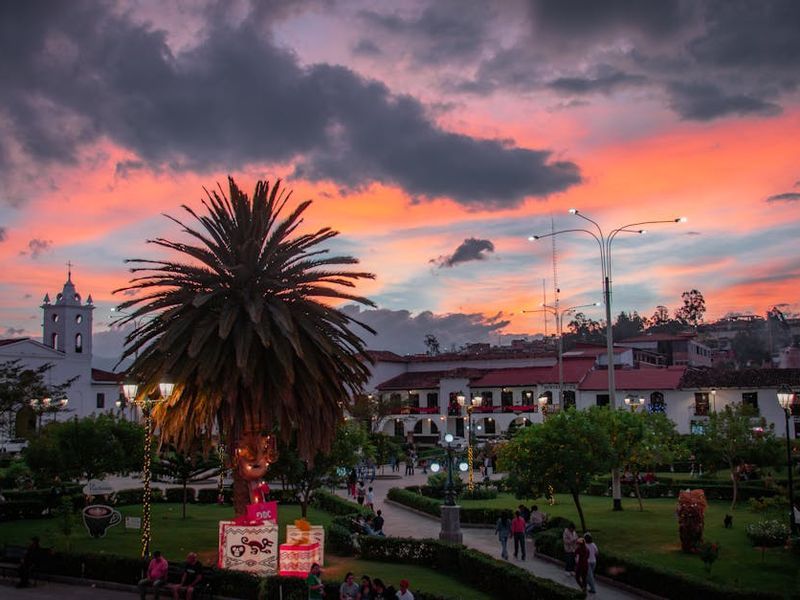
- Parque Calderón, the central square where locals gather and street artisans display handicrafts.
- Stroll along the Tomebamba River; the riverside parks and bridges are ideal for a relaxed afternoon.
- Museums such as local history and textile museums that explain the region’s indigenous and colonial past.
Day Trips and Nearby Destinations
Cuenca is a fantastic base for discovering southern Ecuador’s diverse landscapes and culture. Popular day trips include:
- Cajas National Park — about 30–45 minutes away, this páramo landscape offers short hikes around high Andean lagoons and dramatic scenery.
- Ingapirca — the largest known Inca archaeological site in Ecuador, reachable in a few hours; combine with a guide to understand the ruins’ history.
- Nearby artisan towns — look for silverwork, textiles and Panama hats in towns near Cuenca; markets in these towns are ideal for shopping and people-watching.
Shopping and Souvenirs
Cuenca is known for quality handicrafts—textiles, handwoven items, leather goods and crafted jewelry. Browse artisan shops near the historic center and ask about the materials and traditions behind pieces you like. Haggling is common in markets but do so politely; for higher-end shops, prices are typically fixed. Pack purchases carefully—fragile ceramics and hats need protective wrapping if you’re flying home.
Local Customs and Etiquette
Ecuadorians are warm and polite. Greetings are friendly and usually include a handshake; among friends a light cheek kiss is common. Speaking a few Spanish phrases—hola (hello), gracias (thank you), por favor (please)—goes a long way. Dress is generally modest; casual wear is fine for daytime exploring, but bring smarter clothes for nicer restaurants. Always be respectful when taking photos of people—ask first if you can.
Digital Needs: SIM Cards, Wi-Fi and Connectivity
Cuenca has reliable mobile coverage; local providers offer prepaid SIM cards that are easy to set up (bring your passport). Most hotels and cafés offer free Wi-Fi. If you expect to rely on maps and booking apps, a small local data plan is inexpensive and convenient. For communication, WhatsApp is widely used in Ecuador.
When to Visit: Seasons and Crowds
Cuenca’s mild climate makes it a comfortable year-round destination. High season (popular with international visitors) tends to include late-year holidays and certain festival periods, so book accommodation early for travel around major holidays. Weekdays in the historic center are generally calmer than weekends when locals and visitors alike enjoy dining out and strolling the plazas.
Final Tips for a Smooth Trip
To wrap up your planning, remember these quick tips:
- Take it slow the first day to acclimatize to the altitude.
- Keep small bills and coins for taxis, buses and market purchases.
- Wear good walking shoes and carry a lightweight rain layer.
- Try local dishes and café culture, but follow sensible food safety habits.
- Book popular day trips in advance during peak times, or join a small-group tour for a stress-free experience.
- Learn a few Spanish phrases and carry a phrasebook or translation app for quick communication.
Cuenca rewards travelers who slow down: enjoy leisurely meals, linger in plazas, and let the city’s rhythms show you hidden galleries, cozy cafés and panoramic river walks. With a bit of preparation and a flexible spirit, your first visit to Cuenca can be comfortable, culturally rich and unforgettable.