
Table of Contents
Why Cuenca Should Be on Your Travel List
Cuenca, Ecuador’s charming Andean city, offers a compelling mix of cobbled streets, colonial architecture, and a lively cultural scene. A UNESCO World Heritage Site, it’s compact enough to explore on foot yet surrounded by dramatic highland landscapes. For first-time visitors, the city strikes a pleasant balance between authentic local life and traveler-friendly services.
Arrival Basics: Airports, Time Zone, and Altitude
Most international travelers arrive in Ecuador via Quito or Guayaquil and take a short domestic flight to Mariscal Lamar International Airport, which serves Cuenca. The city sits high in the Andes at roughly 2,560 meters (about 8,400 feet), so give yourself a day or two to acclimatize if you’re coming from sea level.
Practical tips for arrival:
- Take it easy the first 24 hours: hydrate, avoid heavy exercise, and enjoy leisurely walks in the historic center.
- Bring layered clothing for variable temperatures and a light jacket for chilly evenings.
- Remember the time zone is Ecuador Time (GMT-5) with no daylight saving time.
Getting Around: Walking, Tram, Buses and Taxis
The historic center is compact, and much of Cuenca is designed for walking. Strolling across Plaza Calderón to admire the blue-domed cathedral, ducking into a café, or wandering alongside the Tomebamba River are some of the best ways to soak up the atmosphere.
Tranvía de Cuenca (Light Rail)
Cuenca has a modern light rail system that runs through the city’s spine. It’s affordable, reliable, and a good option for longer north-south journeys. Stations are clean and easy to navigate, making the tram an efficient way to see more of the city without a taxi.
Taxis and Ride Apps
Taxis are inexpensive and plentiful. For safety, use reputable companies or ask your hotel to call a cab. Ride-hailing apps and services exist but may not be as consistently available as in larger international cities. Agree on a fare for longer trips or insist on the meter in the city.
Intercity Buses
The long-distance bus terminal connects Cuenca to Ecuador’s major destinations. Buses range from budget to premium; for longer journeys consider choosing a service with more legroom and onboard amenities.
Where to Stay: Neighborhoods for First-Time Visitors
Choosing the right neighborhood can make your first visit more enjoyable. Here are three popular areas:
- Centro Histórico: Ideal for first-timers who want immediate access to main sights, restaurants, and nightlife. Expect cobblestones and a lively atmosphere.
- San Sebastián: A bohemian pocket with art galleries, small cafés, and a quieter vibe while still close to the action.
- Turi and Mirador areas: If you want panoramic views and a slightly quieter stay, look uphill toward Turi. Good for sunset watching and photo opportunities.
Must-See Sights and How to Enjoy Them
Cuenca’s historic center and surroundings offer diverse experiences. Here are attractions you shouldn’t miss and tips for visiting them:
Parque Calderón and the Cathedral
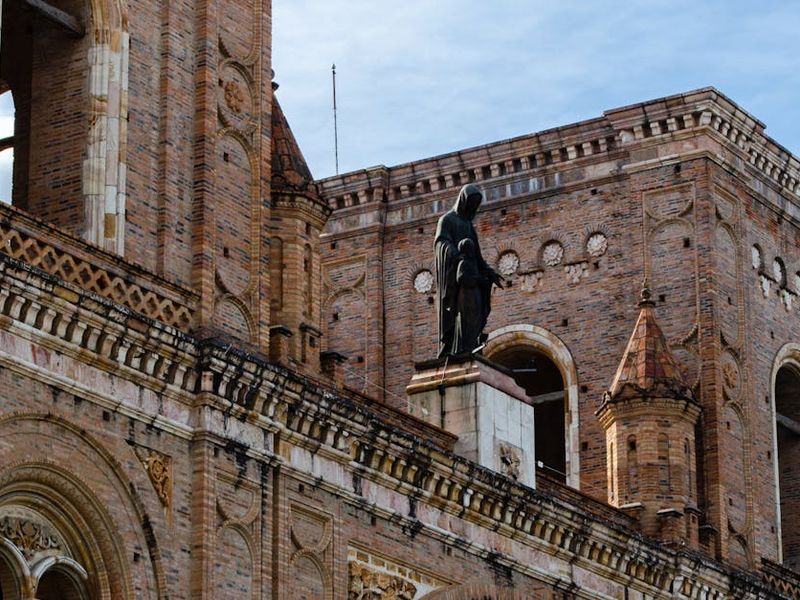
The heart of the city, Parque Calderón, is surrounded by cafes, shops, and the iconic cathedral with its blue domes. Try to visit early in the morning for softer light and fewer crowds. You can climb parts of the cathedral for a rewarding view of the city.
Plaza de las Flores and Local Markets
Adjacent to the cathedral, the flower market is a sensory delight. Nearby markets sell fresh produce, local cheeses, and baked goods. For souvenirs, head to artisan stalls or a short trip out to Chordeleg for jewelry and Gualaceo for textiles.
Pumapungo and Local Museums
Pumapungo hosts ethnographic exhibits, archaeological ruins, and beautiful gardens. It’s an excellent spot to learn about local history and indigenous culture without leaving the city center.
El Cajas National Park
A short drive from Cuenca, El Cajas is perfect for day hikes, birdwatching, and lake-hopping among dramatic highland scenery. Weather can change rapidly—bring waterproof layers and good hiking shoes.
Ingapirca Ruins
A longer day trip takes you to Ingapirca, Ecuador’s largest Inca site. It’s a fascinating contrast to the colonial architecture of Cuenca and helps broaden your understanding of the region’s pre-Columbian history.
Food and Drink: What to Try and Where
Cuenca’s culinary scene blends traditional Andean fare with international influences. For first-timers:
- Sample traditional dishes like llapingachos (potato patties), hornado (roasted pork), and mote (hominy). If you’re adventurous, try cuy (guinea pig) at a reputable restaurant.
- Enjoy fresh fruit juices and savory empanadas from market stalls for a budget-friendly meal.
- Explore specialty coffee shops and bakeries around Calle Larga and Plaza Calderón for excellent morning picks.
Many restaurants in the historic center are tourist-friendly and accept cards, but markets and street stalls are cash-only—carry small bills.
Money, Fees, and Connectivity
Ecuador uses the US dollar, which simplifies budgeting for many travelers. ATMs are common in Cuenca, and credit cards are widely accepted in hotels and restaurants; however, small vendors and taxis often prefer cash.
- Use ATMs inside banks or shopping centers to reduce the risk of skimming.
- Notify your bank before travel to avoid card blocks and check foreign ATM fees.
- Local SIM cards from carriers like Claro and Movistar are affordable and provide good coverage for data. Most cafés and hotels offer Wi-Fi.
Health, Safety, and Practical Concerns
Altitude and Health
The altitude can affect visitors differently. Symptoms such as mild headaches, shortness of breath, or difficulty sleeping are common initially. To reduce discomfort:
- Drink plenty of water and avoid alcohol on the first day.
- Eat lighter meals and consider coca tea, widely used locally to ease altitude symptoms.
- If you have chronic heart or respiratory conditions, consult your doctor before travel.
Safety Tips
Cuenca is known for being safe compared with much larger capitals, but petty theft occurs—especially in crowded areas. Keep these habits:
- Use a money belt or a theft-resistant bag and avoid displaying expensive items.
- Walk with confidence, travel in groups at night, and prefer well-lit streets and main avenues.
- Carry a photocopy of your passport; many hotels will keep the original in a secure safe if requested.
- Emergency services are reachable via the national 911 system.
Cultural Etiquette and Language
Spanish is the primary language in Cuenca. Learning basic phrases—please, thank you, excuse me—goes a long way. Local Ecuadorians generally appreciate polite attempts at Spanish and will help when asked. A few tips on etiquette:
- Use formal pronouns like “usted” with elders or in business settings unless invited to be informal.
- Greet shopkeepers and servers with a quick hello and a smile; hospitality is a point of pride.
- Dress respectfully when entering churches or attending religious events.
Packing Tips for Cuenca
Given the altitude and ever-changing weather, pack smart rather than heavy. Essentials include:
- Layers: breathable shirts, a fleece or sweater, and a windproof/light waterproof jacket.
- Sun protection: sunglasses, a hat, and high-SPF sunscreen—UV is stronger at altitude.
- Comfortable walking shoes: cobblestones and uneven sidewalks are common.
- Basic first aid and any personal prescription medications; pharmacies are plentiful but brands vary.
- Travel adapter: Ecuador uses 110-120V with Type A/B plugs (same as North America).
Shopping and Souvenirs
Cuenca is a great place to shop for Ecuadorian crafts. Popular items include:
- Panama-style hats: authentic weaving originates in coastal towns but hats are widely sold in Cuenca.
- Silver and gold jewelry from artisanal workshops, especially pieces from nearby Chordeleg.
- Textiles, leather goods, and handwoven wool blankets from the highlands.
Bargaining is often expected at markets, so feel free to negotiate politely for a fair price.
Sample 3-Day Itinerary for First-Time Visitors
To help you plan, here’s a flexible outline that covers history, nature, and culture:
- Day 1: Arrival and acclimatization. Explore Plaza Calderón, the cathedral, and the flower market. Enjoy dinner at a local restaurant and an early night.
- Day 2: Morning visit to Pumapungo and museums, afternoon at the artisan markets or a coffee shop crawl along Calle Larga. Evening live music or jazz bar.
- Day 3: Day trip to El Cajas for hiking and lakes or a cultural excursion to Ingapirca. Return to Cuenca for a relaxed dinner and a sunset view from Turi mirador.
Events and Best Times to Visit
Cuenca is pleasant year-round, but your interests can influence timing. The dry season from June through September generally offers clearer skies for hiking and photography. Cultural events—religious holy weeks, local fairs, and independence celebrations—bring special energy and parades but can also mean higher crowds and booked accommodation. If you prefer quieter visits, avoid major festival dates and book lodging in advance when traveling during holidays.
Final Tips to Make the Most of Your First Trip
- Give yourself time to acclimatize instead of packing every minute with activities.
- Embrace slower travel: Cuenca rewards wandering without an agenda.
- Talk to locals and shopkeepers—some of the best recommendations come from people who live here.
- Carry small change for public bathrooms, market purchases, and tips.
- Consider a guided walking tour on your first day to get oriented and learn history from a local guide.
Cuenca’s blend of history, cuisine, and natural beauty makes it a memorable first stop in Ecuador. With a little preparation and respectful curiosity, first-time visitors can enjoy a comfortable, culturally rich experience that will likely inspire a return visit.