
Table of Contents
Introduction: Retirement, Smiles and Smart Choices
For retirees looking to get quality dental work without breaking the bank, Cuenca, Ecuador has become a global magnet. Combining dramatic savings, highly trained dentists, modern clinics and a restorative environment, Cuenca is a top choice for dental tourism focused on implants, crowns and veneers. In this article we explain why Cuenca stands out — and give retirees practical advice on planning a safe, comfortable and cost-effective dental vacation.
Why Cost Matters: Big Savings, Big Impact
Dental implants, crowns and veneers in the U.S. and Canada often carry sticker shock: single implants can run several thousand dollars, crowns and veneers add more to the bill, and full-mouth rehabilitations can cost tens of thousands. In Cuenca, comparable care typically costs 60–70% less. For many retirees living on fixed incomes, those savings are life-changing — often covering round-trip airfare and comfortable extended lodging while still saving thousands.
Typical Price Comparisons
- Single dental implant (implant, abutment, crown): US/Canada $3,000–6,000 vs. Cuenca $700–1,500
- Crown (porcelain or zirconia): US/Canada $800–1,800 vs. Cuenca $200–500
- Porcelain veneers (per tooth): US/Canada $900–2,500 vs. Cuenca $250–500
These ranges vary by clinic and materials used, but even conservative estimates show substantial savings that let retirees choose higher-quality materials or additional procedures without increasing overall cost.
World-Class Training and Modern Technology
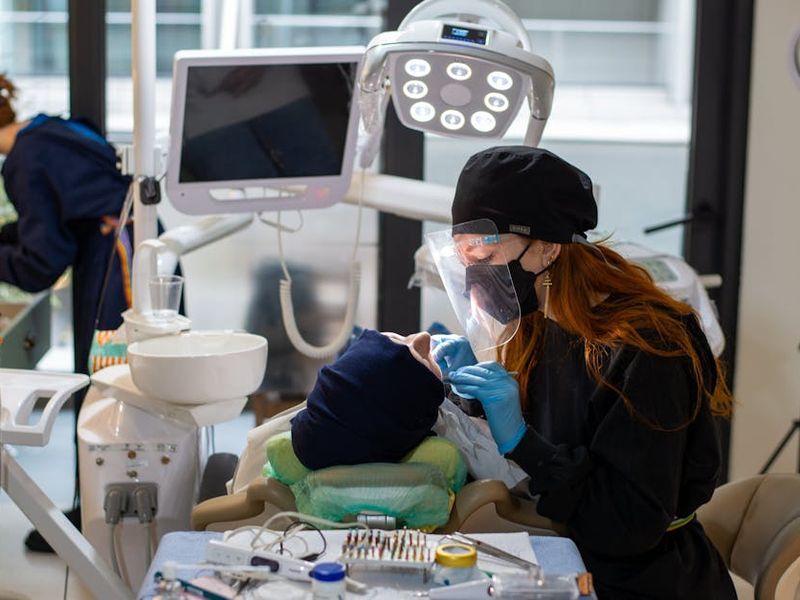
Cuenca’s dental professionals are often educated at top universities in Ecuador, Latin America and beyond. Many dentists pursue postgraduate training in implantology, prosthodontics and cosmetic dentistry in well-respected programs. What’s more, modern private clinics in Cuenca routinely invest in digital dentistry technologies you’d expect in large U.S. cities — cone beam CT (CBCT) scanners, intraoral digital scanners, CAD/CAM milling, 3D guided-surgery systems and on-site dental labs that produce zirconia restorations.
That combination of skilled clinicians and advanced tools means retirees receive precise planning, minimally invasive surgery options and predictable prosthetics — the crucial elements for long-lasting implants and beautiful crowns or veneers.
Short Wait Times and Personalized Care
One frustration with some international dental destinations is long waiting lists. In Cuenca, clinics typically have shorter wait times and flexible scheduling, which is ideal for retirees planning a dental vacation. Many dentists provide one-on-one consultations, take the time to explain treatment options in plain language and assign a treatment coordinator to help with logistics, travel timing and aftercare.
Personalized care is also reflected in smaller patient volumes, enabling more attentive follow-up appointments during a stay and ongoing communication by phone, email or WhatsApp after you return home.
The Ideal Recovery Environment: Why Cuenca Helps You Heal
Recovery after implant surgery is as important as the surgery itself. Cuenca’s temperate, spring-like climate year-round, clean air, low humidity and mild temperatures create an ideal healing environment. The city’s parks, tree-lined plazas and gentle pace of life make it easy to rest, reduce stress and follow post-operative instructions — essential for successful osseointegration and soft tissue healing.
Popular neighborhoods like El Centro, near Parque Calderón, and the quieter barrios of San Sebastián and Yanuncay offer comfortable lodging options within minutes of top clinics. Short walks to cafes and museums provide gentle activity, while many hotels and rentals are accustomed to hosting medical tourists and can assist with transportation to appointments.
Combine Dental Care with a Rewarding Vacation
One of Cuenca’s great appeals for retirees is the ability to combine dental work with cultural and outdoor experiences. After a morning implant placement or consultation, spend afternoons exploring colonial architecture, artisan markets, copper-smith ateliers and world-class museums. Gentle day trips to the Cajas National Park, local hot springs or nearby cloud forests give the body time to rest and the mind a pleasant distraction — a real advantage compared with clinical-only medical trips.
Many retirees extend their stay for the healing period between implant placement and final restorations, turning what could be stressful treatment into a restorative vacation.
What to Expect: Typical Timelines for Implants, Crowns and Veneers
Understanding the timeline helps retirees plan flights, lodging and follow-up visits.
- Initial consultation: CBCT scan, intraoral photos and treatment plan — often same day or within 24–48 hours.
- Implant placement: Surgeons may place the implant and a temporary crown or prosthesis if conditions allow; otherwise, a healing cap is placed and you return after healing.
- Healing phase: Standard osseointegration is 3–4 months for upper jaw and 2–3 months for lower jaw in many cases; some clinics use advanced surfaces and protocols that can shorten healing times.
- Abutment and crown stage: After healing, the abutment and final crown or bridge are fitted. With CAD/CAM labs in Cuenca, turnarounds can be quick — sometimes within days for a final prosthesis.
- Veneers: Often two appointments — tooth prep and impression, then fitting of final veneers in 1–2 weeks.
For full-arch solutions (e.g., All-on-4-style protocols), some clinics offer immediate-load options where a provisional fixed bridge is placed the same day as extraction and implant placement; final restorations follow after adequate healing.
Choosing the Right Clinic and Dentist: Questions Every Retiree Should Ask
Not all clinics are the same. Here are practical questions to ask during your initial communication:
- What are the dentist’s credentials and implant training? Request details on postgraduate education and specialist certification.
- Can you see before-and-after photos and patient testimonials, ideally from other international patients?
- Which implant systems are used and what warranties are offered?
- Do you use CBCT and digital planning for guided implant surgery?
- What is the projected treatment timeline, including healing periods and number of visits?
- Is there an on-site lab, and what materials are used for crowns/veneers (zirconia, lithium disilicate, porcelain)?
- How are post-operative complications handled, and is emergency contact available 24/7?
Request a written treatment plan and cost estimate. Reputable clinics will welcome questions and provide transparent pricing and timelines.
Practical Travel Tips for Retirees
Smart preparation makes a dental vacation smoother and safer:
- Acclimatize to altitude: Cuenca sits at about 2,560 meters (≈8,400 feet). Plan 48–72 hours of gentle activity before surgery if you’re not used to higher altitudes.
- Book accommodations near your clinic: Reduces travel stress and makes follow-up visits easier.
- Bring medical and dental records: Radiographs, previous dental work details and medication lists help the dentist plan care efficiently.
- Purchase travel insurance with medical evacuation and repatriation coverage; check whether dental complications are included.
- Pack a soft-food kit for recovery: blender, protein powders, soups, and easy-to-prepare meals if you’re staying in a rental.
- Plan for follow-ups via telehealth: Many clinics provide virtual check-ins after you return home.
Language, Communication and the Expat Community
While Spanish is the primary language in Cuenca, many dental clinics catering to international patients staff bilingual coordinators and dentists who speak English. Retirees can also tap into a large, active expat community for support — from housing and transportation tips to recommendations for English-speaking pharmacies and medical services. Online expat groups and local meetup communities are excellent resources for first-hand dental tourism experiences and practical advice.
Safety, Regulations and Quality Assurance
Ecuador regulates private dental practice and many clinics adhere to international infection control standards. Look for clinics that follow sterilization protocols, use single-use disposables when appropriate and maintain proper surgical suites for implant placement. Most reputable clinics will gladly explain sterilization measures and invite you to tour the facility.
If you have concerns about standards, ask about affiliations with dental associations, continuing education records and whether the clinic partners with international labs or specialists for complex cases.
Aftercare and Long-Term Maintenance
Good long-term outcomes depend on proper aftercare. Cuenca dentists typically provide detailed instructions, pain management prescriptions and follow-up schedules. Many patients maintain contact remotely and return periodically for hygiene appointments and routine checks. If you plan to return to your home country, ask the clinic to provide a detailed clinical report and digital files of your scans and prosthetic designs to help your local dentist manage future maintenance.
Real Value: Why Retirees Prefer Cuenca
Beyond immediate cost savings, Cuenca offers retirees a unique combination of quality and lifestyle. The value proposition is compelling:
- Significant financial savings let you choose better materials or more comprehensive treatment.
- World-class training and modern technology ensure predictable clinical results.
- A calm, pleasant recovery setting supports healing physically and emotionally.
- Shorter wait times and attentive, personalized care suit retirees who prefer a hands-on approach to their healthcare.
- The ability to blend treatment with a cultural and nature-rich vacation turns a dental necessity into an enjoyable life experience.
Sample 10–14 Day Dental Vacation Itinerary
Here’s a sample itinerary that balances treatment and leisure for a single-implant case with a crown:
- Day 1–2: Arrival, acclimatization and initial consultation with CBCT and photos.
- Day 3: Implant placement surgery (local anesthesia or sedation) and comfortable recovery at your lodging.
- Day 4–7: Rest, light sightseeing, first follow-up visit and prescription management.
- Day 8–12: Return for impression/scan and placement of temporary/fitting of healing abutment.
- Day 13–14: Final fitting of crown if healing permits (some cases require longer healing and a second trip). Schedule telehealth check-ins after returning home.
This schedule varies by case complexity, but it demonstrates how a short, well-planned trip can accomplish much while leaving time to enjoy Cuenca’s charms.
Final Thoughts: A Wise Investment in Health and Happiness
For retirees, dental care is both a health necessity and a financial decision. Cuenca, Ecuador offers an exceptional blend: dramatically lower costs, expert clinicians, high-tech clinics, and an environment designed for healing and enjoyment. With careful planning, clear communication and realistic expectations, a dental vacation in Cuenca can restore your smile, protect your oral health and provide a travel experience that feels like a restorative retreat.
Quick Checklist Before You Go
- Gather dental records and request a preliminary remote consultation.
- Confirm clinic credentials, implant systems and lab capabilities.
- Arrange lodging near the clinic and plan for 1–2 days of altitude acclimatization.
- Pack soft foods, necessary medications and copies of prescriptions.
- Purchase travel insurance and confirm telehealth follow-up options.
- Create a contingency plan for unexpected complications or additional treatment.
Cuenca offers retirees an unbeatable combination of value, quality and experience — making it one of the best places in the world for dental implants, crowns and veneers. With the right preparation, your dental vacation to Cuenca can be a smart financial decision and a truly restorative chapter in your retirement journey.