
Table of Contents
Introduction: Dental Tourism Meets Vacation in Cuenca
Imagine repairing your smile with a world-class dental team, saving 60–70% compared to U.S. and Canadian prices, and spending your recovery strolling a UNESCO-listed historic center with mild weather year-round. That’s dental tourism in Cuenca, Ecuador: a compelling combination of exceptional dental care and an unforgettable travel experience. This guide walks first-timers through why Cuenca is the premier destination for dental vacations, what to expect, and practical tips to plan a smooth, safe, and restorative trip.
Why Cuenca Is a Leader in Dental Tourism
Cuenca has become a top choice for dental tourists for many reasons that work together: dramatically lower costs, highly trained clinicians, advanced dental technology, efficient scheduling, and a recovery-friendly environment. These elements create extraordinary value for procedures like dental implants, crowns, and veneers.
Massive Cost Savings Without Sacrificing Quality
One of the main drivers of dental tourism to Cuenca is cost. Procedures that often cost thousands in the U.S. or Canada are commonly priced 60–70% lower here. For example:
- Dental implant (implant + crown): U.S. $3,000–$5,000 vs. Cuenca $800–$1,500
- Porcelain crown: U.S. $1,000–$2,200 vs. Cuenca $300–$600
- Porcelain veneer: U.S. $800–$2,000 per tooth vs. Cuenca $250–$600
These savings make it realistic to choose higher-quality materials or have more comprehensive treatment than many patients could afford at home.
World-Class Dentists Trained at Top Universities
Cuenca’s dental professionals frequently graduate from Ecuadorian institutions such as Universidad de Cuenca and Universidad del Azuay, and many complete postgraduate education, specialized implant training, or continuing education abroad. The result is highly skilled dentists with international experience who routinely deliver complex restorative work.
Modern Clinics with Cutting-Edge Technology
Dental clinics in Cuenca are equipped with modern technology: digital radiography, 3D cone-beam CT scans (CBCT), CAD/CAM systems for same-day crowns, intraoral scanners, and contemporary sterilization protocols. Many clinics work with internationally recognized implant systems and high-quality restorative materials, making outcomes predictable and durable.
The Recovery Advantage: Cuenca’s Environment Is Built for Healing
A crucial but often overlooked part of dental vacations is recovery. Cuenca offers a mild, spring-like climate year-round and a calm pace of life that supports healing. The city’s tree-lined riversides, plazas, and parks give you peaceful places to rest between dental appointments and enjoy slow, restorative walks.
Attractions That Double as Recovery Activities
Short, low-impact activities are ideal after dental procedures, and Cuenca has many gentle options: leisurely strolls along the Tomebamba River, coffee in cozy cafés around Parque Calderón, gentle visits to museums and artisan markets, and short day trips to nearby attractions like Cajas National Park or the artisan towns of Gualaceo and Chordeleg. These experiences help distract from discomfort and speed emotional recoveries.
How Dental Vacations Work: Typical Itineraries and Timelines
Dental vacations vary by procedure. Crowns and veneers can often be completed in a week using CAD/CAM technology, while implants may require a staged approach with healing time between placement and final restorations. Here’s a sample itinerary for common treatments.
Sample 7–10 Day Plan for Crowns or Veneers
- Day 1: Arrival, meet clinic coordinator, initial consult and digital scans.
- Day 2: Preparation work (tooth shaping) and temporary restorations if needed.
- Day 3–4: Design and milling of permanent restorations (CAD/CAM same-day possible).
- Day 5: Final placement and bite adjustment, follow-up instructions.
- Days 6–10: Leisurely recovery and sightseeing; final checkup before departure.
Typical Timeline for Dental Implants
Implant protocols differ. Traditional implants need 3–4 months of healing before crowns, while some clinics offer immediate-loading implants or hybrid solutions to reduce trips. A common approach for first-timers is a two-trip plan:
- Trip 1 (7–10 days): Consult, imaging, implant placement, post-op check.
- Healing (8–12+ weeks): Care at home with periodic check-ins via telemedicine.
- Trip 2 (5–7 days): Impression taking and placement of final crowns or fixed prosthesis.
Many clinics offer detailed timelines and coordinate with your local dentist for continuity of care.
Personalized, One-on-One Patient Care
Unlike high-volume clinics where patients see different providers throughout treatment, many Cuenca practices emphasize personalized care. Expect one-on-one time with your dentist, thorough consultations, and a treatment coordinator who walks you through pre-op and post-op care. For foreign patients, bilingual staff and English-speaking dentists are common, and clinics often provide virtual consultations before travel so you can get an accurate treatment plan and estimate.
Practical Tips for Your Dental Vacation in Cuenca
Planning ahead makes your trip smooth. Below are practical tips to help first-timers optimize results and enjoy the city.
1. Get a Virtual Consultation First
Most clinics offer online consults with photos and radiographs. This allows you to receive a treatment plan, price estimate, and suggested timeline before booking flights.
2. Bring Records and X-Rays
Bring recent dental records, x-rays, or a CBCT scan if available. These help dentists plan efficiently and shorten in-person appointment time.
3. Budget Wisely and Confirm Payment Options
Cuenca uses the U.S. dollar, simplifying budgeting for North American patients. Confirm accepted payment methods—credit cards, bank transfers, or cash—and ask about deposits and refunds. Even after savings, consider including extra funds for accommodations, meds, and sightseeing.
4. Choose Your Neighborhood for Recovery
Stay in Cuenca’s Historic Center (Centro Histórico) or near the Tomebamba River for easy access to clinics, pharmacies, and gentle walking routes. Accommodations range from boutique hotels to furnished apartments suitable for week-long stays. If you prefer a quieter environment, choose lodging on the city’s edges and plan short transfers to the clinic.
5. Understand Aftercare and Follow-Up
Ask about post-op medication, emergency contact procedures, and what the clinic requires for follow-up. Many practices provide written aftercare instructions, prescription medications, and a phone number for 24/7 support during your stay.
6. Travel Insurance and Dental Guarantees
Consider travel insurance that covers medical/dental issues during your trip. Also, get treatment warranties in writing—many reputable clinics provide guarantees for prosthetics and implants, with terms that specify follow-up visits and care conditions.
7. Mind the Altitude and Recovery
Cuenca sits at about 2,500–2,600 meters (around 8,200–8,530 feet). Most people adapt quickly, but staying hydrated, avoiding heavy exertion for a few days after surgery, and discussing sedation or general anesthesia with your dentist and physician are good precautions.
Combining Dental Work with a Memorable Vacation
One of Cuenca’s biggest advantages is how easily dental care fits with tourism. You can enjoy low-impact activities between appointments, making recovery pleasant rather than isolating.
Top Low-Impact Activities to Enjoy During Recovery
- Gentle riverfront walks along the Tomebamba and viewing the historic bridges.
- Relaxing afternoons at Parque Calderón and sampling local cuisine at cafés.
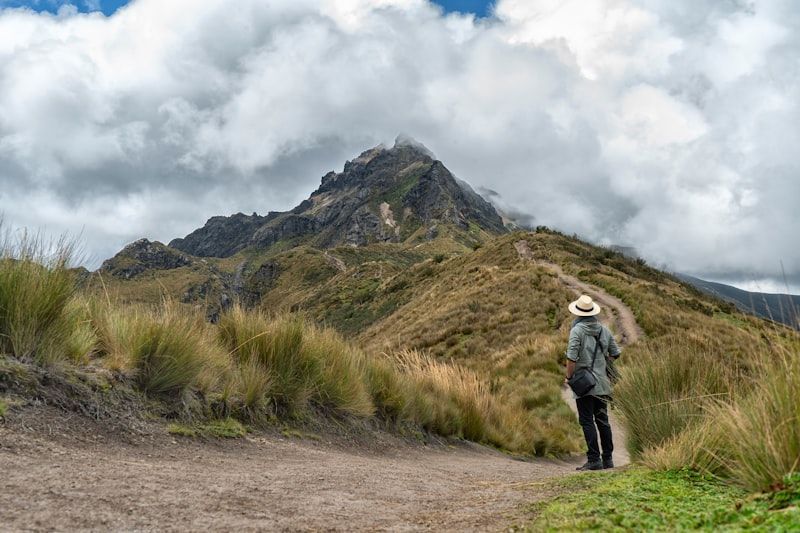
- Short day trips to Cajas National Park for scenic drives and short hikes.
- Visiting artisan towns like Chordeleg (jewelry) and Gualaceo (textiles) for slow shopping and cultural immersion.
- Exploring museums and colonial architecture that don’t require strenuous activity.
Safety, Standards, and How to Choose a Clinic
Safety and quality are paramount. Here’s how to vet clinics and dentists in Cuenca:
- Verify credentials: check dentist education, specialties, and continuing education.
- Ask about technology: digital x-rays, CBCT, CAD/CAM, and sterilization protocols.
- Request references or patient photos and ask about long-term warranties.
- Confirm language support: bilingual coordinators and English-speaking dentists are invaluable.
- Read recent patient reviews on independent platforms and ask for before/after examples.
Cost Examples and Value Assessment
To illustrate value, consider a full-mouth restoration or an implant-supported bridge. In North America, costs can quickly exceed $30,000–$50,000. In Cuenca, comparable work—using quality materials and skilled clinicians—can be a fraction of that price while maintaining high standards of care. This difference leaves budget for higher-grade materials or extra cosmetic refinement.
What Past Patients Appreciate Most
Patients who choose Cuenca repeatedly mention a few recurring positives: the warmth and attentiveness of staff, the clarity of treatment plans, the dramatic cost savings, and the chance to combine care with a beautiful vacation. Many also highlight short wait times—it’s common to get consultations and start treatment within days, not weeks or months.
Final Checklist Before You Book
Before booking your dental vacation to Cuenca, make sure you have the following in place:
- Virtual consultation and written treatment plan with costs and timeline.
- Copies of your dental records and recent x-rays if available.
- Confirmed travel dates with return flexibility for follow-up or unexpected healing needs.
- Accommodation near the clinic or in a recovery-friendly area.
- Travel insurance and understanding of the clinic’s warranty/aftercare policy.
- Clear communication plan with the clinic for telemedicine follow-ups once you return home.
Conclusion: Why Cuenca Delivers Unbeatable Dental Vacation Value
Cuenca blends exceptional dentistry, significant cost savings, modern clinics, and an environment tailored for calm recovery. Whether you need implants, crowns, or veneers, the city’s mix of experienced clinicians, advanced technology, and easy-to-enjoy surroundings makes it arguably the best place in the world for dental tourism. With careful planning, attention to credentials, and smart scheduling, you can restore your smile and enjoy a memorable vacation—all while keeping a healthy portion of your savings in your wallet.
Ready to explore dental vacation options? Start with a virtual consultation and discover how Cuenca can deliver world-class results with incredible overall value.