
Table of Contents
Introduction: Why longevity matters for dental implants in Cuenca
Dental implants are a popular tooth-replacement option for locals and expats in Cuenca. Beyond the initial cost and the surgical procedure, longevity—the years your implant will function comfortably and securely—is the question most people ask. This guide breaks down realistic expectations for implant life in Cuenca, explains local factors that influence outcomes, and offers step-by-step advice for selecting a clinic and caring for your investment.
What is a dental implant and how does it last?
At its core, a dental implant is a titanium (or titanium-alloy) post placed into the jawbone to act like a tooth root. Once the implant fuses with bone in a process called osseointegration, an abutment and crown (or denture attachment) complete the restoration. With good surgical technique and proper care, the implant post itself can last decades; the crown or prosthetic may require replacement or maintenance over time.
Realistic lifespan: what to expect in years and why it varies
There isn’t a single number that fits every patient. Broadly speaking, studies and clinical experience show implant survival rates above 90% at 10 years in healthy patients. In practical terms for people in Cuenca:
- Well-maintained implants in healthy individuals often last 15–30+ years.
- Some patients keep implants for the rest of their lives; others may need prosthetic maintenance (new crowns, relines, screw tightening) much sooner.
- Factors like smoking, uncontrolled diabetes, history of severe periodontal disease, or heavy bruxism increase the risk of complications and shorten lifespan.
Local factors in Cuenca that can affect implant longevity
Cuenca has unique characteristics—both environmental and cultural—that can influence implant outcomes. Consider these local factors when planning treatment:
- Altitude and healing: Cuenca sits around 2,560 meters (8,400 ft) above sea level. While altitude alone is not a major determinant of osseointegration, patients with cardiopulmonary issues should discuss how elevation affects overall health and healing with their dentist and family physician.
- Nutrition and diet: Traditional Ecuadorian diets include starchy foods and some hard or chewy items. After implant surgery, following the clinician’s diet instructions is essential. Long-term, avoid habitually chewing very hard objects (ice, hard seeds) on implanted teeth.
- Access to follow-up care: Cuenca’s dental infrastructure is strong for a city of its size, with many skilled dentists and specialists. Selecting a clinic near your residence—whether downtown near Parque Calderón or in El Vecino neighborhoods—makes regular checkups easier.
- Language and communication: Clear communication about post-op care matters. Many Cuenca clinics serving expats have English-speaking staff; confirm language support when booking complex procedures.
Choosing the right clinic in Cuenca: credentials, equipment, and experience
Clinic selection is one of the most important decisions you’ll make for implant longevity. Here are practical checkpoints:
- Specialists and training: Prefer surgeons who are trained in implantology and prosthodontists who design final restorations. Ask where they trained and how many implants they place monthly.
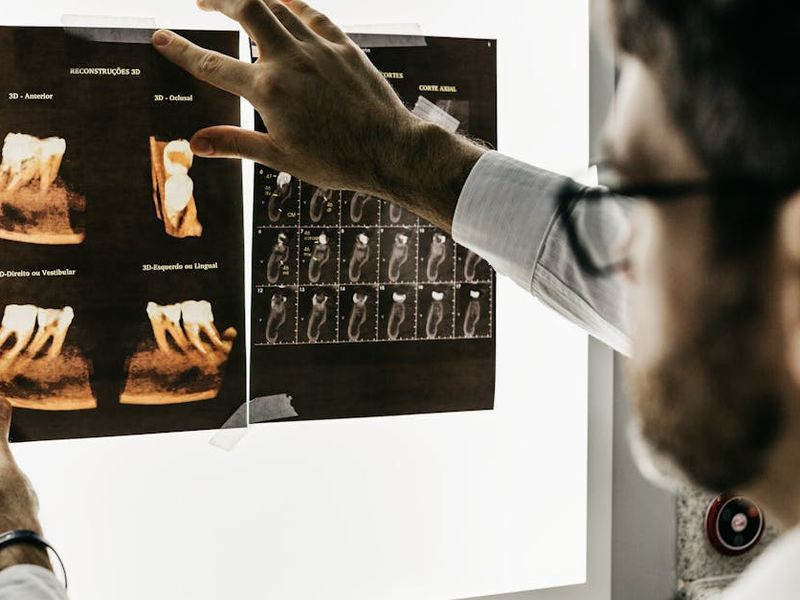
- Imaging and diagnostics: Ensure the clinic offers CBCT (cone-beam CT) imaging for accurate planning. Panoramic X-rays alone may not give the full picture, especially for complex cases or low bone volume.
- Sterility and workflow: A well-organized sterile environment, written treatment plans, and informed consent are essential. Request to see the procedure room and confirm sterilization protocols.
- Implant brands and parts: Ask which implant systems they use. Reputable global brands (Nobel Biocare, Straumann, Zimmer Biomet, etc.) have long clinical histories and well-documented parts availability. Using a recognized system can help ensure replacement parts remain available decades later.
- Local professional affiliation: Check that your dentist is registered with the local dental association (for example, the Colegio de Odontólogos de Azuay) and ask about continuing education.
Cost and value: what to expect to pay in Cuenca
Costs vary widely based on materials, the complexity of the case, and whether bone grafting or sinus lift is needed. In Cuenca, implants are generally more affordable than in North America or Western Europe, but focus on value rather than the cheapest option.
- Expect a fully itemized quote that separates the implant fixture, abutment, crown, imaging, and surgical fees.
- Be wary of all-inclusive low prices that don’t provide details. A longer-lasting outcome often requires better materials and experienced clinicians.
- Some clinics offer payment plans or packaged dental tourism options—compare warranties and aftercare services rather than price alone.
Typical treatment timelines and what they mean for longevity
The timeline you choose can influence success:
- Delayed loading: Implant placed, healing for 3–6 months, then abutment and crown are installed. This approach is conservative and has a strong predictability for osseointegration.
- Immediate loading: A crown or temporary is placed the same day as the implant. This can work well in select cases with high primary stability but may carry slightly higher risk in compromised bone.
- All-on-4 or full-arch solutions: These streamline treatment for edentulous patients, often with immediate teeth, but require careful planning and consistent maintenance to maintain longevity.
Discuss the best timeline for your case with specialists. Conservative approaches generally maximize long-term outcomes.
Preventive maintenance: daily care and professional checkups
Long-term success depends heavily on what you do after placement. Key maintenance practices include:
- Brush twice daily with a soft-bristle brush and low-abrasive toothpaste.
- Use interdental brushes or implant-specific floss to clean around abutments and beneath prostheses.
- Consider a water flosser to help remove debris in hard-to-reach areas.
- Attend professional cleanings and implant checkups every 3–6 months initially, then at least twice a year.
- If you grind your teeth, ask for a custom night guard; bruxism can loosen screws and fracture crowns.
Signs of trouble: early detection protects implant life
Knowing warning signs helps you act quickly. Contact your dentist in Cuenca if you notice:
- Persistent pain beyond the expected post-op period or increasing pain weeks after healing.
- Redness, swelling, or pus around the implant site.
- Loosening of the crown or implant component.
- Receding gums exposing the implant neck or threads.
Early intervention—antibiotics, cleaning, or minor surgery—can often salvage an implant before major problems arise.
Common complications and how Cuenca clinicians manage them
Complications are uncommon but possible. Some that you might encounter in practice include:
- Peri-implantitis: Inflammatory bone loss around an implant. Prevention through excellent oral hygiene is key; treatment can include deep cleaning, antibiotics, and regenerative procedures.
- Implant failure during osseointegration: Sometimes an implant doesn’t integrate. In many cases, the implant is removed, the site healed, and the procedure repeated later with improved conditions.
- Prosthetic wear: Crowns and screws can wear or loosen. Regular maintenance and prompt repair extend the life of the entire restoration.
Cuenca clinics experienced with implants will have protocols and restorative labs nearby to handle repairs efficiently.
Practical tips for expatriates and long-term residents
Expat life in Cuenca often means balancing local care with international expectations. These tips help you make informed decisions:
- Bring a complete medical and dental history (translated if necessary). This speeds assessment and reduces surprises.
- Ask to have all radiographs and treatment plans saved digitally or on a USB—handy if you travel or change dentists.
- Confirm language support (English or your preferred language) so informed consent is truly informed.
- Consider working with a clinic that partners with dental labs in Cuenca for timely adjustments—especially helpful if you live downtown near Parque Calderón or along the Tomebamba River and want easy access for follow-ups.
- Seek online community recommendations from expat groups in Cuenca—people often share practical feedback about clinic communication, aftercare, and true costs.
Warranty, documentation, and consumer protection
Many clinics in Cuenca provide written guarantees for crowns and the work performed, but warranties vary widely. When discussing guarantees:
- Get everything in writing: itemized fees, the number of follow-up visits covered, and warranty length and conditions.
- Understand that warranties often require you to attend scheduled maintenance visits—missed appointments can void coverage.
- Keep all receipts, images, and signed consent forms. These documents protect you and make transfers of care easier if you move.
Sample timelines and case examples (hypothetical scenarios)
To visualize the process, here are three common scenarios you might encounter in Cuenca:
- Single tooth replacement: Consultation, CBCT, implant placement, 3–4 month healing, abutment and crown. Total time: 4–6 months. Longevity: 15–30+ years with good care.
- Multiple implants with bone graft: If bone grafting is needed, add 3–6 months for graft integration before final implants or prosthetics. This upfront time can greatly improve long-term stability.
- All-on-4 full-arch: Immediate provisional prosthesis often on the same day, with final prosthesis after 3–6 months. Longevity is excellent with routine maintenance; expect periodic screw checks and prosthetic servicing.
Final checklist before committing to implants in Cuenca
Use this short checklist when evaluating clinics and treatment plans:
- Does the clinic provide CBCT imaging and digital treatment planning?
- What implant brands and restorative materials will be used? Can they document this?
- Is there an itemized, written treatment plan with timelines and follow-up schedules?
- What are the clinic’s infection-control standards? Can you see them?
- Does the clinic offer a warranty, and what are the conditions?
- Do they have English-speaking staff or interpretation available if needed?
- Are follow-up visits easy to schedule near your home or workplace in Cuenca?
Conclusion: Investing in long-term oral health in Cuenca
Dental implants in Cuenca can be a durable, life-changing solution when planned and executed thoughtfully. Longevity depends on a partnership between you and your dental team—good diagnostics, careful surgery, high-quality materials, and consistent maintenance. With the right clinic and realistic expectations, you can enjoy stable, functional implants for many years while savoring life in Cuenca’s beautiful historic center.
If you’re considering implants, start with a local consultation, request imaging, and use the checklist above to compare options. Taking these steps will put you on the path to a long-lasting, healthy smile in Cuenca.