
Table of Contents
Welcome to Cuenca: What Makes It Special
Cuenca, Ecuador’s southern highland jewel, charms visitors with colonial architecture, turquoise riverways, and a relaxed pace often called “eternal spring.” If this is your first trip, you’ll want a mix of practical logistics and local knowledge to make the most of your stay. This guide gives straightforward, boots-on-the-ground advice: how to handle the altitude, where to eat and sleep, how to get around, and which nearby day trips are worth your time.
Quick Facts to Know Before You Go
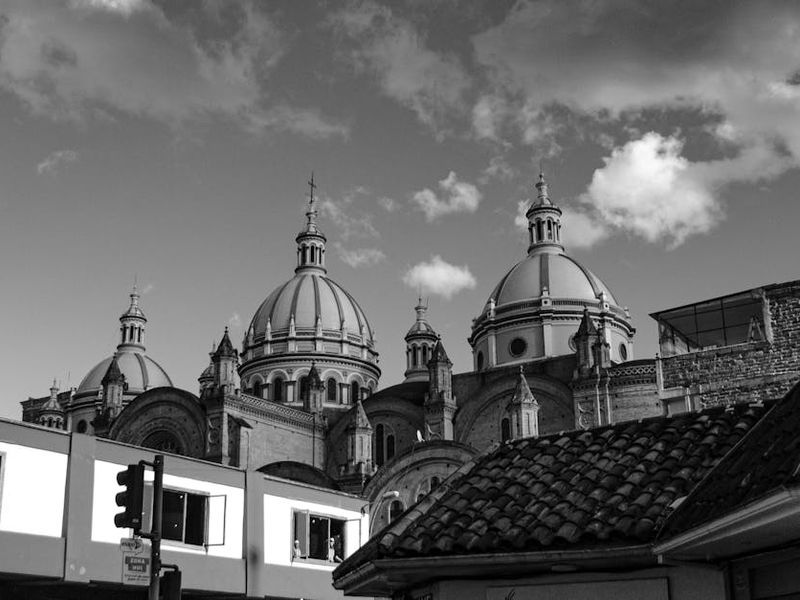
Cuenca sits high in the Andes at roughly 2,500–2,600 meters (about 8,400 feet), which creates mild temperatures year-round but more intense sun and thinner air. The city’s historic center is a UNESCO World Heritage Site, famed for its blue-domed cathedral, cobblestone streets, and riverside promenades along the Tomebamba. U.S. dollars are the official currency in Ecuador, so international currency exchange is easier than in many countries.
Airport and Arrival
Mariscal Lamar Airport (CUE) is small and efficient — typically a 20–30 minute drive into the center depending on traffic. Taxis waiting at the airport are usually coordinated through a counter; agree on the fare in advance or use a reputable radio taxi number. If you arrive late, book a hotel in the historic center or one of the popular neighborhoods near the rivers — both are convenient for restaurants and a first stroll.
Practical Packing Tips
Layering is your friend in Cuenca. Mornings can be cool, afternoons warm and sunny, and evenings crisp. Pack a lightweight waterproof jacket (rain can come suddenly), a warm sweater, comfortable walking shoes for uneven cobblestones, and a good sunhat and high-SPF sunscreen — the UV index is high at altitude. If you plan hiking in Cajas National Park, include a warmer layer, a fleece, and a reusable water bottle.
Health & Altitude: What to Expect
Most visitors tolerate Cuenca’s elevation well, but some people experience mild symptoms like slight shortness of breath, headaches, or disturbed sleep. To reduce the chance of altitude discomfort, take it easy during the first 24–48 hours: drink plenty of water, avoid heavy exercise and alcohol at arrival, and eat lightly. If you have preexisting heart or lung conditions, consult your doctor before travel. Pharmacies are well-stocked and many speak enough English to help, but bring any essential medications with you.
Getting Around the City
Cuenca’s compact historic center is pedestrian-friendly and best explored on foot. For longer distances, use taxis, municipal buses, or app-based ride services when available. Here’s what to expect:
- Walking: The Centro Histórico is a maze of alleys and plazas — comfortable shoes are essential. Many attractions cluster near Parque Calderón and the cathedral.
- Buses: City buses are inexpensive and ubiquitous. They’re a great way to see neighborhoods outside the center, though routes can be crowded during rush hour.
- Taxis & Ride Apps: Taxis are affordable; insist the driver use the meter or agree on a fare first. Ride-hailing apps and radio taxi services exist, but availability can vary by time of day.
Where to Stay: Neighborhoods for First-Timers
Choose a neighborhood based on the kind of experience you want:
- Historic Center (Centro Histórico): Ideal for first-time visitors who want to be steps from museums, restaurants, and the cathedral. Expect cobblestones and lively evenings.
- Riverside & El Barranco: These areas along the Tomebamba offer scenic walks and quieter guesthouses that still provide quick access to the center.
- Near Parque Calderón: The heartbeat of the city, great for people-watching and immediate access to main sights and cafes.
Money, Connectivity, and Practicalities
Because Ecuador uses the U.S. dollar, handling cash is straightforward. Carry small bills and coins for taxis, bus fares, and market purchases. ATMs are plentiful in Cuenca, but notify your bank before travel to avoid declined transactions. Credit cards are widely accepted at hotels and mid- to high-range restaurants, though smaller vendors and markets may be cash-only.
SIM cards are inexpensive and easy to buy at shops or official carrier stores (bring your passport for registration). Major providers include Claro and Movistar; both offer decent coverage in the city and basic data plans for navigating and translations.
Food & Drink: What to Taste
Cuenca’s culinary scene blends Andean staples with modern creativity. Don’t miss these local treats and eating tips:
- Breakfast fare: Try fresh pastries, empanadas, and local breads. Many cafes open early and are excellent places for coffee and people-watching.
- Traditional dishes: Hornado (slow-roasted pork) is a hearty Andean favorite, typically served with hominy and plantains. If you’re adventurous, try cuy (roasted guinea pig) at a reputable restaurant.
- Street food & markets: Food markets are colorful and lively — sample fresh fruit, juices, and local snacks, but choose busy stalls for freshness and turnover.
- Vegetarian & international options: Cuenca has a growing array of vegetarian, vegan, and international restaurants, especially near the historic center and expat-favored neighborhoods.
Cultural Etiquette & Useful Spanish Phrases
Simple cultural awareness will get you further than perfection in language. A friendly greeting and a few Spanish phrases go a long way:
- Greetings: People commonly greet with a handshake; friends may give a light kiss on the cheek. Always say “buenos días” (good morning) or “buenas tardes” (good afternoon) when entering shops or restaurants.
- Polite phrases: “Por favor” (please), “gracias” (thank you), and “disculpe” (excuse me) are appreciated.
- Basic phrases: “¿Cuánto cuesta?” (How much does it cost?), “¿Dónde está el baño?” (Where is the bathroom?), “No hablo mucho español” (I don’t speak much Spanish).
Top Sights & Local Favorites
While wandering the historic center is a delight in itself, set aside time for these must-see spots:
- Catedral Nueva: The city’s iconic blue-domed cathedral near Parque Calderón offers impressive architecture and great photo opportunities.
- Pumapungo Museum & Archaeological Park: A combination of ethnographic exhibits, Inca ruins, and beautiful gardens that cast insight into the region’s history.
- Ribera del Tomebamba: Stroll the river walk to see restored houses, cafes, and gardens along the water — a peaceful contrast to the busy plaza areas.
- Turi viewpoint: For panoramic views of Cuenca, take a short ride up to the Turi hill where you’ll find a small church, local vendors, and photo spots.
Day Trips & Excursions
Cuenca is an excellent base for exploring southern highland Ecuador. Three standout excursions are:
- El Cajas National Park: About an hour’s drive from the city, this highland reserve features glacial lakes, dramatic páramo landscapes, and excellent hiking. Pack warm layers and water.
- Ingapirca: Ecuador’s best-preserved Inca ruins are a couple of hours from Cuenca and offer a window into pre-Columbian history amid scenic highlands.
- Gualaceo & Chordeleg: Small towns known for artisan crafts — Chordeleg’s silverwork and jewelry are especially popular. Great for a slow day of shopping and sampling local handicrafts.
Safety: Staying Smart Without Worry
Cuenca is considered one of the safer cities in Ecuador, but normal travel caution applies. Petty theft, especially pickpocketing, occurs in busy tourist areas and on crowded buses. Keep these safety habits:
- Use the hotel safe for passports and valuables; carry a photocopy of your passport instead of the original.
- Keep bags zipped and close to your body; avoid showing expensive jewelry or cameras when not in use.
- Take registered taxis, especially at night, and share your route with a friend when possible.
- Emergency services in Ecuador can be reached with 911 for police, fire, and medical assistance.
Money-Saving Tips & Budgeting
Cuenca is friendly for travelers on most budgets. Save money with these practical ideas:
- Eat where locals eat: small family-run restaurants (comidas corridas) serve full meals at good prices.
- Use public buses for longer intra-city journeys; they’re reliable and cheap.
- Compare exchange rates and withdraw larger amounts from ATMs to reduce fees, but keep cash secure.
- Book popular day trips in advance for better rates or look for small-group tours that include transport and a guide.
Useful Apps & Technology
Download a few apps to ease your trip planning and navigation:
- Maps & Navigation: Google Maps and Maps.me (offline maps) are helpful for walking directions.
- Translation: Google Translate for on-the-fly translations and voice features if your Spanish is limited.
- Ride Services & Communication: Local taxi apps or ride-hailing services if available; WhatsApp is a common communication method in Ecuador.
Final Tips for a Memorable First Visit
Take your time. Part of Cuenca’s appeal is its relaxed tempo — plan a loose itinerary that leaves gaps for wandering and discovery. Start with the historic center to get your bearings, enjoy coffee in a plaza, and talk to local vendors and hospitality staff who are usually happy to share tips on hidden gems.
Bring curiosity and a willingness to adjust your pace. Whether you’re savoring local hornado, exploring Pumapungo’s ruins, or hiking in Cajas, Cuenca rewards travelers who blend planning with spontaneity. With modest preparation and common-sense precautions, your first trip to Cuenca can be comfortable, safe, and deeply rewarding.
Quick Checklist Before You Leave
- Confirm passport validity and check visa requirements for your nationality.
- Notify your bank of travel plans and carry small USD bills for daily expenses.
- Pack layers, sun protection, and comfortable walking shoes.
- Download offline maps, a translation app, and a local taxi number.
- Plan one longer day trip (Cajas, Ingapirca, or the artisan towns) and leave a day free for wandering.
Ready to explore? Cuenca’s blend of history, nature, and warm local life makes it an ideal destination for first-time visitors. With these practical tips, you’ll be set to enjoy the city like a savvy traveler — open to adventure but grounded in preparation.