
Table of Contents
Overview: Quito to Cuenca — Which Option Fits You?
Quito and Cuenca are two of Ecuador’s most beloved cities, each offering distinct historic centers, climates, and cultural scenes. Deciding how to travel between them depends on your priorities: speed, budget, scenery, or flexibility. This guide compares flying, taking the bus, and driving, and offers practical tips, scenic stop suggestions, and up-to-date considerations for a smooth journey.
Quick comparison at a glance
- Flight — Fastest (about 1–1.5 hours), pricier, watch for weather disruptions at Cuenca’s small airport.
- Bus — Cheapest (economy to VIP classes), 8–11 hours overnight or daytime, comfortable modern coaches available.
- Car — Most flexible and scenic, usually 8–10 hours driving time with stops; costs vary depending on rental, fuel, and tolls.
Flying: when speed matters
Flights between Quito (Mariscal Sucre International Airport, UIO) and Cuenca (Mariscal Lamar Airport, CUE) are the quickest option. Flight time is usually about 60–75 minutes in the air, though you should add time for check-in and transfers.
What to expect
Major domestic carriers operate this route with multiple daily departures—frequencies can vary by season. Because Mariscal Lamar is a smaller airport located just outside Cuenca in a valley surrounded by mountains, flights can be affected by fog or weather; occasional delays or cancellations occur, especially in the rainy season. If your schedule is tight, plan for buffer time.
Costs and booking tips
Airfares fluctuate widely. Booking a few weeks ahead usually yields the best fares; last-minute tickets are often more expensive. Luggage allowances and check-in rules vary by airline—double-check baggage limits for carry-on and checked bags to avoid surprise fees. Consider arriving at the airport earlier than you would on a flat plain—the mountainous terrain and local procedures sometimes require extra time.
Arrival in Cuenca
Mariscal Lamar Airport is a short taxi ride from Cuenca’s historic center (about 15–30 minutes depending on traffic). Taxis and shared shuttles are available; confirm the fare before starting the trip. Because the airport is close, flights save you significant travel time if your itinerary is tight.
Bus: economical and comfortable
Buses are the backbone of overland travel in Ecuador. The Quito-to-Cuenca route is popular and regularly served by interprovincial companies. Coaches range from standard to luxury (semi-cama or cama seats), often with onboard restrooms and reclining seats for overnight comfort.
Where to catch the bus in Quito and where you arrive in Cuenca
Long-distance buses typically depart from Quito’s southern terminal (Quitumbe) and arrive at Cuenca’s Terminal Terrestre. These terminals are well organized with ticket offices, waiting areas, and local transport options for onward travel. If you’re staying in north Quito, allow extra transit time to reach Quitumbe.
Travel time, costs, and comfort
Expect an 8–11 hour trip depending on traffic and whether the route makes stops. Daytime trips offer scenery but take longer because of stops for meals and passenger changes; overnight buses let you sleep through most of the journey and save a night’s hotel cost. Ticket prices vary by class: economy seats are very affordable, while VIP semi-cama or cama seats cost more but offer more comfort for the long ride. Booking online via the bus company or local booking platforms is convenient and recommended during high season or holidays.
Safety and baggage
Buses generally are safe and staffed. Keep valuables on you, and lock checked baggage if possible. If you prefer more control, choose a direct or express service that makes fewer stops. Bring earplugs, a small pillow, and layers—buses can get cool at high altitudes at night.
Driving: the scenic, flexible option
Driving between Quito and Cuenca unlocks the most flexibility and the chance to explore off-the-beaten-path highlights. The straight-line distance is roughly 470–500 kilometers, and on well-maintained highways the drive usually takes 8–10 hours without lengthy sightseeing stops.
Main route and road conditions
The principal route follows the Pan-American corridor (E35) south through Ambato and Riobamba before continuing toward Alausí and descending toward the southern highlands. Roads are generally paved and in good condition on primary highways, but expect winding mountain sections, occasional road works, and slow-moving trucks. Drive cautiously during fog or heavy rain.
Practical tips for drivers
- Renting: international driver’s license or passport plus a credit card are usually required for car rentals. Compare companies and inspect the vehicle carefully before leaving the lot.
- Fuel: Ecuador uses the US dollar. Fill up when you can—gas stations are common on major routes, but less frequent on smaller detours.
- Documentation: always carry your passport, driver’s documents, vehicle rental agreement, and local insurance details if driving a rented car.
- Night driving: avoid if you can, especially in mountain sections where lighting and signage are limited.
Estimated costs
Costs vary. Expect to pay for rental days, fuel, and occasional tolls. As a rough plan, calculate rental + fuel + insurance to compare against flight or bus costs. Driving with friends or family helps split costs and makes day-trips or overnight stays en route more economical.
Recommended stops and side trips between Quito and Cuenca
One of driving’s big advantages is the charisma of towns and natural sites along the way. Here are some worthwhile stops you can include whether you’re driving yourself or arranging bus or private transfers that permit detours:
- Ambato — Known for fruit, markets, and a friendly town center; a good early coffee stop.
- Baños de Agua Santa — A short detour from the main highway; famous for waterfalls, adventure sports, and hot springs.
- Riobamba and Alausí — Gateway towns for the famous Devil’s Nose train (Nariz del Diablo) and dramatic mountain views.
- Ingapirca — Ecuador’s largest known Inca ruins, close to Cañar province; a great cultural stop before arriving in Cuenca.
- Gualaceo and Chordeleg — Near Cuenca; known for artisan markets, textiles, and jewelry shopping.
Train options: a scenic but limited alternative
Ecuador’s rail offerings have historically been more tourist-focused than regular intercity transport. Scenic train excursions around Alausí (to see the Devil’s Nose), and occasional special services connecting parts of the highlands, offer an unforgettable experience. However, regular passenger rail service between Quito and Cuenca is not a dependable, year-round option for most travelers. If a scenic train is a priority, check current seasonal schedules well in advance and plan bus or car alternatives for the rest of the route.
Which option should you pick? Decision guide
Consider these scenarios to match the travel option with your needs:
- If you’re short on time: Fly. The flight is quick and the airport-to-city transfer is short.
- If you’re on a tight budget: Take the bus. Comfortable options exist for overnight travel that save a night of hotel cost.
- If you value freedom and scenery: Drive. You control stops, pace, and the route—perfect for photography, ruins, and national parks.
- If you want a memorable experience: Mix modes—fly one way and return by bus or car, or plan a scenic train leg if available.
Practical day-of-travel tips
- Check weather forecasts — mountain fog or rain can delay air service and make driving slower.
- Book ahead during holidays — Semana Santa, Christmas, and regional festivals see heavy travel demand.
- Carry layers — Quito and Cuenca are both highland cities with cool mornings and evenings; pack a light jacket and comfortable shoes.
- Cash and cards — carry some cash for small purchases, snacks, and local taxi fares; cards accepted in many places but not everywhere on remote stops.
- Allow buffer time — especially if you have tight connections or scheduled tours in Cuenca.
Arriving in Cuenca: what to do first
Cuenca’s historic center, a UNESCO World Heritage site, is compact and walkable. After arrival, plan to:
- Stroll the zocalo and Plaza Calderón to orient yourself and enjoy a cafe.
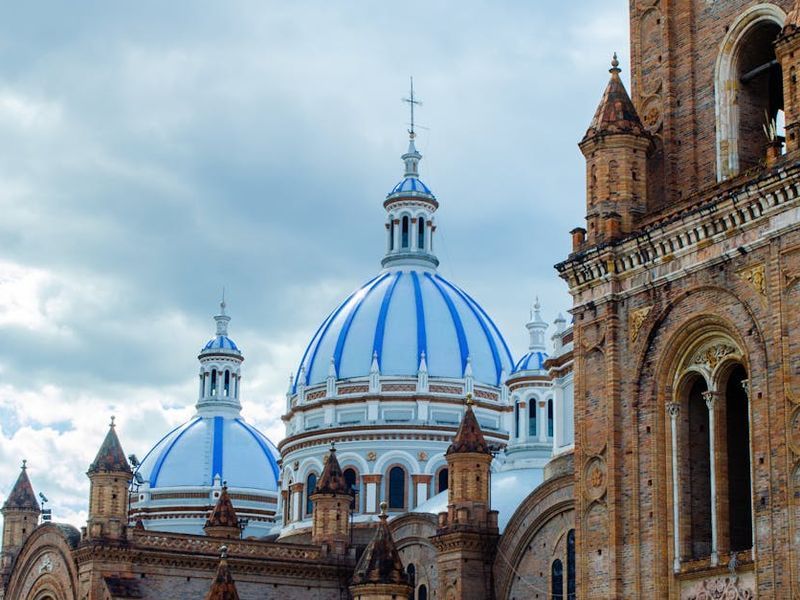
- Visit the New Cathedral (Catedral de la Inmaculada Concepción) and climb the towers for panoramic city views.
- Reserve time for El Cajas National Park — only a short drive from the city and a must for hikers and photographers.
- Explore artisan towns like Gualaceo and Chordeleg for local crafts, especially if shopping for silver or textiles.
Final thoughts and a sample itinerary
Traveling between Quito and Cuenca is straightforward, rich in scenery, and full of rewarding stops. If time is tight, fly; if you want to save money, take the bus; if flexibility and discovery are your priority, drive. Here’s a short sample itinerary for a balanced trip:
- Day 1: Fly to Cuenca in the morning, explore the historic center in the afternoon.
- Day 2: Day trip to El Cajas and a visit to the artisan markets in Gualaceo/Chordeleg.
- Day 3: Drive north toward Ingapirca and return, or take a scenic bus/trip to the Devil’s Nose train area if schedules permit.
Whichever method you choose, traveling between Quito and Cuenca can be an enjoyable highlight of your Ecuador itinerary—offering a mix of Andean culture, colonial charm, and spectacular landscapes. Plan ahead, pack appropriately, and take the route that most closely matches your travel priorities.
Safe travels—and enjoy discovering Cuenca’s cobbled streets, riverside promenades, and welcoming cafés.