
Table of Contents
Introduction: Why Longevity Matters for Dental Implants in Cuenca
Choosing dental implants is an investment in your health, appearance, and quality of life. If you’re considering implants in Cuenca—whether you’re an expat, a retiree, or a local—the key question is practical: how long will they last? This guide walks through the main factors that influence implant lifespan, what to expect from clinics in Cuenca, and concrete steps you can take to maximize the life of your implant-supported restoration.
What Determines the Lifespan of a Dental Implant?
There isn’t a one-size-fits-all answer. The longevity of a dental implant depends on a combination of clinical factors, patient habits, the clinic’s technology, and maintenance. Generally, properly placed and cared-for implants can last decades, often 20 years or more. But success hinges on several specifics:
- Bone quality and quantity: Healthy jawbone supports osseointegration (the bone bonding to the implant). Low bone density may require grafts, which affect timelines and outcomes.
- Systemic health: Conditions like uncontrolled diabetes or osteoporosis, and habits like smoking, can reduce success rates.
- Oral hygiene: Daily brushing, flossing, and professional cleanings protect implants from peri-implantitis (an infection that can lead to implant failure).
- Prosthetic design and occlusion: How the crown or bridge is designed, and how your teeth come together, influences wear and mechanical stress.
- Quality of the implant system: The implant material and connection system matter—well-tested titanium and zirconia systems from recognized manufacturers have long track records.
Why Consider Cuenca for Dental Implants?
Cuenca has become a popular destination for dental care among expats and regional patients for several reasons:
- Experienced clinicians: The city hosts many oral surgeons, prosthodontists, and restorative dentists who routinely place implants.
- Bilingual services: Many clinics cater to English-speaking patients, making communication easier for expats.
- Modern equipment: Numerous practices use digital imaging, cone beam CT (CBCT), and CAD/CAM labs for precise planning and restorations.
- Cost advantage: Prices in Cuenca are often lower than in the U.S. or Canada, which is why medical and dental tourism is popular here—without necessarily compromising quality.
- Convenience for long-term residents: If you live in Cuenca, follow-up care, routine cleanings, and long-term maintenance are easy to arrange locally.
Typical Timeline for an Implant in Cuenca
Understanding the timeline helps you plan travel and expectations. While individual treatment plans vary, a common sequence looks like this:
- Initial consultation and imaging: Examination, X-rays or CBCT, treatment plan and cost estimate.
- Preparatory procedures: Extractions, bone grafts, or sinus lifts might be needed; healing may take several months.
- Implant placement: The implant (metal or ceramic post) is surgically placed. Most clinics perform this under local anesthesia; sedation options vary.
- Osseointegration: A healing period of about 3–6 months for the implant to fuse with the bone.
- Abutment and crown: After integration, the abutment and final crown are attached; sometimes an interim crown is used during healing.
For many patients traveling to Cuenca, the actual implant surgery requires a stay of several days, while final restorations may require a short return visit a few months later. Some clinics coordinate closely with patients to minimize trips.
Choosing the Right Clinic in Cuenca
Not all clinics are equal. Here are practical steps to pick a reliable office:
- Check credentials: Ask about the dentist’s specialty training (oral surgery, prosthodontics), certifications, and years of implant experience.
- Ask about imaging and planning tools: CBCT scans and 3D planning raise the precision of implant placement, especially in complex cases.
- Request before-and-after photos and patient references: Look for cases similar to yours in aesthetic zone or full-arch cases.
- Inquire about implant brands and warranties: Reputable practices use established implant systems and often offer limited warranties or follow-up care packages.
- Confirm language support and aftercare: Bilingual staff and clear post-op instructions make recovery easier for foreign patients.
Materials and Systems: What to Expect
Most implants used in Cuenca are made from titanium alloys, a material with a long history and strong success rates. Zirconia (ceramic) implants are also an option for patients with metal sensitivities or for specific aesthetic cases. Ask your dentist about:
- Type of implant connection: Internal conical connections, external hex, and other designs have different mechanical characteristics.
- Prosthetic materials: Crowns can be porcelain-fused-to-metal, full ceramic (zirconia), or porcelain layered over zirconia. Each has pros and cons for durability and looks.
- Proven systems: Many clinics use internationally recognized implant systems with documented longevity—ask which brand they’ll use for your case.
Maintenance: How to Make Your Implant Last
Aftercare is the single most important factor in implant longevity. Practical, day-to-day habits include:
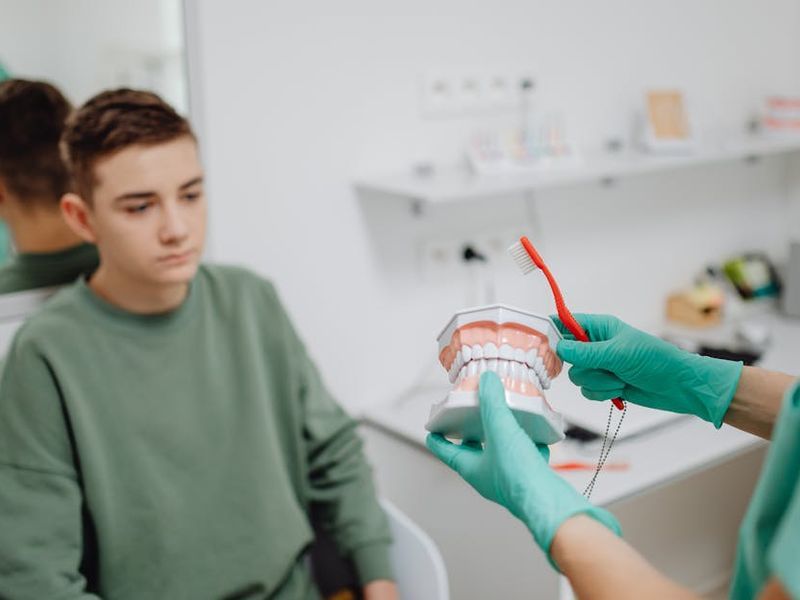
- Daily hygiene: Brush twice a day with a soft-bristled brush and use interdental brushes or floss around the implant area to remove plaque.
- Use a water flosser: Many patients find a water irrigator helpful at removing debris around implant crowns and under bridges.
- Regular professional cleanings: Schedule dental hygiene visits every 3–6 months—your dentist may recommend more frequent cleanings early on.
- Quit smoking: Tobacco significantly increases the risk of peri-implant disease and implant failure.
- Night guards if you grind: Bruxism places destructive forces on implants and restorations; a custom night guard can protect your investment.
Common Risks and How Cuenca Clinics Manage Them
Like anywhere, implants carry risks—most are manageable with good diagnostics and follow-up:
- Peri-implantitis: Infection of the tissues around the implant; prevented by hygiene and treated with antibiotics, cleaning, or surgical intervention if needed.
- Insufficient bone: Addressed with bone grafting or alternative implant placement strategies.
- Sinus complications: Upper jaw implants near the sinus may require a sinus lift; experienced surgeons handle this routinely.
- Mechanical failure: Crowns can chip, screws can loosen—timely maintenance and prompt repairs reduce long-term issues.
Costs and Value: What to Expect Financially in Cuenca
Many people choose Cuenca because of favorable pricing compared with North America and Europe. Cost depends on complexity:
- Single implant with crown: costs vary by material and clinic; ask for an itemized quote (implant body, abutment, crown, imaging).
- Bone grafts or sinus lifts: add to cost and healing time but are common in complex cases.
- Full-arch solutions: All-on-4 or fixed bridge systems are more costly but are often priced competitively at high-quality Cuenca clinics.
When comparing prices, focus on value: the clinician’s experience, the materials used, imaging and lab work, and the follow-up care plan. A slightly higher upfront cost for experienced surgeons and proven implant systems often pays off in fewer complications and longer lifespan.
Travel and Logistics for Expats and Tourists
If you’re traveling to Cuenca for implants, a few practical tips make the trip smoother:
- Plan for two trips (if needed): Many treatments require an initial placement visit and a follow-up for the final restoration after healing. Ask your clinic how many visits they expect.
- Bring medical records: A summary of your dental and medical history helps the local team evaluate your case quickly.
- Arrange accommodations near the clinic: Staying in neighborhoods close to Centro Histórico or near major clinics can reduce stress during recovery.
- Understand emergency care: Ask the clinic about after-hours contact and nearby hospitals or urgent care centers.
Questions to Ask During Your Consultation
Prepare a checklist to ensure you get clear answers during the consultation:
- What is your training and how many implants have you placed?
- Which implant system will you use and why?
- What are my options if I have low bone volume?
- What is the total cost, including imaging, grafts, provisional restorations, and follow-ups?
- What is the expected timeline and how many visits will I need?
- Do you provide a warranty or follow-up care? What does it cover?
Signs of Trouble: When to Seek Immediate Care
Most implant recoveries are uneventful, but be alert for red flags that need prompt attention:
- Severe, worsening pain beyond expected post-op discomfort
- Heavy or persistent bleeding
- Fever or signs of systemic infection
- Loose implant or prosthetic components
- Swelling that increases after the first 48–72 hours
If you’re an expat or visitor, make sure your provider has clear after-hours contact information and that you have a plan if you need emergency care outside normal clinic hours.
Realistic Expectations: How Long Will Your Implant Last?
With modern techniques and good care, many implants last 15–25 years or longer; in many cases they become a permanent part of a patient’s oral environment. Success rates in experienced hands often exceed 90–95% over 10 years. However, individual outcomes vary based on the factors discussed earlier—health, habits, and maintenance are crucial. Choosing a reputable Cuenca clinic that uses proper diagnostics, high-quality materials, and offers ongoing support maximizes your chances of success.
Final Thoughts: Planning for Long-Term Success in Cuenca
Dental implants in Cuenca can be an excellent, cost-effective solution for tooth replacement when you choose carefully and commit to long-term maintenance. Do your homework: review clinics, ask tough questions, and plan your travel around realistic healing timelines. With the right team and good personal care habits—daily oral hygiene, regular professional cleanings, and healthy lifestyle choices—your implants can provide many years of reliable function and a confident smile.
Quick Checklist Before You Book
- Confirm clinician experience and patient outcomes
- Verify the implant system and prosthetic materials
- Ask for an itemized treatment plan and timeline
- Plan travel dates around major treatment milestones
- Organize records and any required medical clearances
Whether you’re a Cuenca local or an expat considering dental tourism, informed decisions and realistic expectations are the foundation of implant longevity. With careful planning and attentive aftercare, your implants can become a durable, life-changing solution.