
Table of Contents
Why Cuenca Is the Heart of Dental Tourism
If you’re considering dental implants, crowns or veneers, Cuenca, Ecuador deserves serious attention. The city has become a global hub for dental tourism because it combines dramatically lower costs with outstanding clinical quality and a delightful recovery environment. You can expect savings of 60–70% compared to the U.S. and Canada, treatment by highly trained clinicians, modern clinics with cutting-edge technology, and a charming colonial city where you can rest and recover between appointments.
Dramatic Savings Without Compromising Quality
One of the biggest reasons people choose Cuenca for dental work is the cost advantage. In many cases, a single dental implant in the U.S. can run $3,000–$6,000 once you include the implant, abutment and crown. In Cuenca, comparable work often costs 60–70% less—putting a single implant plus crown in the range of roughly $600–$1,500 depending on materials and technique. Full arch treatments such as All-on-4 can be a fraction of North American prices, making life-changing dentistry affordable for many patients who otherwise couldn’t afford it at home.
Where the savings come from
- Lower overhead and operating costs for clinics and staff.
- Favorable exchange rates and lower local costs for living and materials.
- Efficient scheduling that reduces wait time and idle chair hours.
Those savings don’t mean lower standards. The result is exceptional value: affordable, high-quality implants, crowns and veneers that deliver excellent long-term results.
World-Class Dentists Trained Locally and Internationally
Dentists in Cuenca are often educated at top Ecuadorian universities—such as Universidad de Cuenca and Universidad Católica de Cuenca—and many pursue postgraduate training in implantology, prosthodontics and esthetic dentistry through programs in the U.S., Europe and other parts of Latin America. It’s common to find clinicians who are members of international dental associations and who regularly attend advanced continuing education courses.
When you evaluate a clinic, look for evidence of specialist training: diplomas, published case reports, participation in implant courses, and before-and-after galleries showcasing modern techniques like guided implant placement, digital prosthetics, and esthetic smile design.
Modern Clinics and Cutting-Edge Technology
Cuenca’s leading dental centers invest heavily in technology. Expect to find:
- CBCT (3D cone beam) imaging for precise planning and safer implant placement
- Digital intraoral scanners and CAD/CAM systems for fast, accurate crowns and milled abutments
- Implant systems by reputable international manufacturers (ask which brands are used)
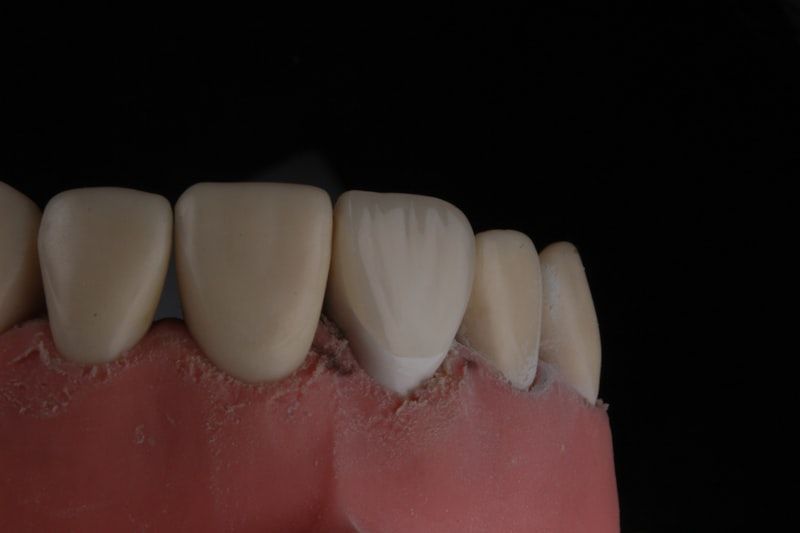
- On-site labs with experienced dental technicians—important when you want excellent color matching for crowns and veneers
- Sedation and IV anesthesia options for patients who are anxious or undergoing complex surgery
The combination of modern equipment and experienced clinicians allows for predictable outcomes and shorter treatment times, especially when clinics provide immediate provisional restorations or guided-surgery protocols.
How Dental Implant Treatment Typically Works in Cuenca
Treatment paths vary by case, but here are common approaches:
- Single Implant: Consult and CBCT, implant placement, healing (osseointegration) 2–4 months, then abutment and crown.
- Immediate Load/Single-Stage: Suitable for select cases—implant and provisional crown same day or within 48 hours.
- Multiple Implants or Full-Arch (All-on-4/6): Planning visit with digital scans and CBCT, surgery to place implants and often a provisional prosthesis the same day; final prosthesis after healing.
- Combination Treatments: Crowns, veneers and implant work in staged appointments to restore both function and esthetics.
Many Cuenca clinics streamline this process so you can combine diagnostics, surgery and temporary restorations into fewer visits than you might expect, but realistic timelines should be discussed in advance with your surgeon.
Short Wait Times, Personalized One-on-One Care
One of the advantages of coming to Cuenca is access. Unlike some high-demand centers where you might wait months for an appointment, Cuenca clinics often offer quick consultations and flexible scheduling. Dentists here are accustomed to international patients and typically provide personalized, one-on-one care—your surgeon will oversee planning, surgery and follow-up rather than passing you between different providers.
This continuity of care makes a big difference for implant success and patient confidence. Many clinics also offer English-speaking staff, translators, and concierge services to coordinate transfers and accommodation.
Cuenca as a Recovery Destination: Beautiful, Calm, and Comfortable
Cuenca’s UNESCO-listed historic center, tree-lined rivers, and temperate climate make it an ideal place to recover after oral surgery. The city sits at approximately 2,560 meters (about 8,400 feet), offering crisp air and spring-like temperatures year-round—bring layers for cool evenings.
Recovery-friendly activities include gentle walks along the Tomebamba River, relaxing in Parque Calderón, visiting art galleries and craft markets, or taking day trips to Cajas National Park for fresh air and scenic solitude. Expat cafés, low-cost high-quality accommodations, and a thriving international community mean you can rest in comfort while enjoying excellent local food and healthcare services.
Altitude considerations
Because Cuenca is at high elevation, tell your dentist about any respiratory, cardiovascular conditions, or if you are planning intravenous sedation. Most patients acclimate quickly, but some clinics provide guidance for medication, hydration and rest to ease recovery.
Practical Travel Tips and Typical Itineraries
How long you should stay depends on the procedure. Typical itineraries look like this:
- Consultation and Single Implant: 4–7 days (consult, surgery, short check-ups)
- Implant with Healing Period: Initial visit for planning and surgery, then a follow-up return visit for abutment and crown after 8–12 weeks (many patients schedule two short trips)
- Full-Arch or Multiple Implants: 10–14 days for surgery and provisional prosthesis; final prosthesis may require a second visit in 3–6 months
Flights into Cuenca typically connect through Quito or Guayaquil. Cuenca’s Mariscal Lamar Airport handles regional flights; many international travelers fly into Quito’s Mariscal Sucre or Guayaquil and take a short domestic connection or a scenic 3–4 hour drive. Arrange a private transfer or ride-share for comfort—transport costs and time are modest compared to your savings on dental work.
How to Choose the Right Clinic
Choosing a clinic is the most important part of planning your dental vacation. Here’s a checklist to help you vet providers:
- Credentials: Ask where dentists trained and if they have specialist certifications in implantology or prosthodontics.
- Technology: Confirm the clinic has CBCT imaging, digital scanning and modern sterilization protocols.
- Before-and-After Photos: Request case galleries for procedures similar to yours.
- Implant Brands: Reputable international systems are preferable; ask which brands they use and why.
- Patient References and Reviews: Look for independent reviews and testimonials from international patients.
- Warranties and Follow-Up Care: Understand guarantees, post-op visits, and remote follow-up options.
- Communication: Ensure there’s an English-speaking coordinator or translator if needed.
Most reputable Cuenca clinics will be transparent about costs, provide a diagnostic plan after an initial CBCT and clinical exam, and give you a written estimate for all phases of treatment.
Safety, Sterilization and Standards of Care
In Cuenca you’ll find clinics that follow international infection-control standards: autoclaves, single-use disposables where appropriate, strict sterilization logs, and modern surgical techniques that minimize complications. Don’t hesitate to ask to see sterilization areas or to discuss how they manage surgical site infections and antibiotic protocols—good clinics welcome such questions as evidence of an informed patient.
Budgeting and Financing Your Dental Vacation
Even with the large cost savings, dental implants are an investment. Discuss payment plans and financing options with your chosen clinic—some offer installment plans, discounts for multiple implants, or package prices that include transfers and accommodation. Keep in mind that most North American dental insurers don’t cover overseas treatment, so plan for out-of-pocket payment and request detailed receipts for potential reimbursement claims.
Combining Dental Care with a Memorable Vacation
One of the most attractive aspects of dental tourism in Cuenca is the chance to combine high-quality treatment with leisure. Schedule lighter tourist activities like city tours, museum visits, gentle hikes, and food tasting around your recovery periods. Local spas and thermal baths in the surrounding region offer soothing treatments that many patients find helpful for relaxation and stress reduction before and after procedures.
Cuenca’s culinary scene includes affordable fresh produce, international restaurants, and excellent coffee—ideal for maintaining a soft-food post-surgery diet without sacrificing flavor.
Real Value: What You Get for Your Money
Choosing Cuenca doesn’t just save money—it can get you more treatment for the same budget. For example, a $20,000 full-mouth rehabilitation in the U.S. might be achievable for a fraction of that cost in Cuenca, allowing you to opt for premium materials or additional esthetic enhancements. Clinics here often include detailed pre-op planning and high-quality lab work at prices that make premium options affordable.
The combination of: lower cost, shorter waits, personalized care, and a restful city to recover in creates an unbeatable value proposition for patients seeking implants, crowns, and veneers.
Top Practical Tips for a Smooth Experience
- Do your homework: compare clinics, request CBCT-based treatment plans, and verify physician credentials.
- Bring a travel companion for the first 48 hours post-surgery if you plan sedation or IV anesthesia.
- Pack soft foods, a basic first-aid kit, and any prescribed medications—confirm which meds the clinic provides.
- Arrange accommodations within walking distance of your clinic for convenience and quick follow-up visits.
- Plan for at least one quiet full day post-surgery; many patients enjoy gentle sightseeing on subsequent days.
- Confirm the clinic’s policy for complications and emergency care; good providers offer clear after-hours instructions and remote consultations.
Final Thoughts: Why Cuenca Should Be at the Top of Your Dental Tourism List
Cuenca, Ecuador offers a rare combination: world-class trained dentists, modern technology, dramatic cost savings, and a serene, picturesque city perfect for healing. Whether you need a single implant, a cosmetic smile makeover with crowns or veneers, or a full-arch reconstruction, Cuenca provides exceptional value without sacrificing quality. Shorter wait times, personalized one-on-one care and the chance to recover in a UNESCO-listed colonial center make it an ideal destination for anyone considering dental implants or dental vacations.
If you value excellent clinical outcomes, a supportive recovery environment and the ability to stretch your dental budget further, Cuenca is very likely the best place in the world to get the dental care you need—while also enjoying an unforgettable travel experience.
Next steps
Start by making a list of priorities—cost, timeline, materials, or specialist training—and request consultations from 2–3 Cuenca clinics. Ask for CBCT-based plans, full written estimates, and patient references. With the right planning, your dental vacation to Cuenca can be safe, restorative, and transformational, giving you a beautiful smile and memories of a charming Ecuadorian city.