
Table of Contents
Why Cuenca is a Top Choice for Dental Tourism
Cuenca, Ecuador has quietly become one of the best options in the Americas for dental care that balances price and quality. With a pleasant climate, a growing number of clinics using modern digital tools, and an established expat community that shares referrals, Cuenca offers a welcoming environment for dental travelers. The city’s compact historic center makes it easy to combine treatment days with sightseeing, while costs for crowns, veneers, and implants are often a fraction of what you’d pay in the U.S. or Canada.
Set Your Goals: What Does a Valuable Dental Vacation Look Like?
Before you book flights, define what “value” means to you. Is it the lowest price, the best materials, a short total trip, or a clinic known for full-service aftercare? Value could mean paying a bit more for a dentist who speaks English fluently, uses a known implant brand, or provides a written warranty. Clarifying priorities up front will help you evaluate clinics and quotes, and avoid surprises.
Do Your Homework: Researching Clinics and Providers
Not all clinics are created equal. A few practical steps will dramatically reduce risk:
- Ask for credentials and affiliations — look for dentists who are members of the local professional body (for example, the provincial Colegio de Odontólogos) and any international training or continuing education.
- Request before-and-after photos of actual patients and, when possible, contactable references or reviews on independent platforms.
- Confirm the technology they use — digital X-rays, intraoral scanners, and CBCT (3D) imaging reduce guesswork in implant planning and complicated cases.
- Ask which implant and crown brands they use. Internationally recognized implant brands generally have better documented performance and replacement part availability.
- Get a written treatment plan with a clear timeline, itemized costs, what is included (lab fees, anesthesia, temporary crowns), and the warranty policy for restorative work.
Practical Pre-Trip Preparation
Making a dental vacation run smoothly begins weeks to months before you fly:
- Collect your dental records: recent X-rays, current medications, and any medical history that could affect dental care. Many clinics will request these before offering a treatment timeline.
- Schedule a preliminary online consultation. A virtual visit helps the dentist estimate work needed and recommend an initial plan so you can avoid wasted travel.
- Plan for altitude. Cuenca sits at about 2,560 meters (roughly 8,400 feet) above sea level. Allow at least one day to acclimate before major surgery or heavy sedation, especially if you are sensitive to altitude changes.
- Verify travel logistics: passport validity, any visas if required, vaccination recommendations, and your health insurance policy’s stance on overseas dental work.
Budgeting and Getting the Best Value
One of the main draws of Cuenca is cost savings, but greater value comes from transparency and smart bargaining:
- Ask for itemized quotes and compare what’s included — some clinics bundle lab work, anesthesia, and follow-up, while others charge these separately.
- Be cautious of extremely low prices. If an offer seems too good to be true, inquire about the materials used and whether laboratory work is outsourced offshore.
- Negotiate packages that combine treatment with lodging or transport; clinics that work with local hotels often can arrange discounted rates for returning patients.
- Check accepted payment methods. Some clinics accept major credit cards, which may include additional fees, while bank transfers or cash payments can sometimes lower the final price.
- Typical local price comparisons (approximate ranges): a single implant in Cuenca often costs considerably less than in the U.S. — many patients report savings of 50% or more. Crowns, veneers, and root canals likewise show substantial savings. Exact prices vary by material choice, brand, and complexity; always get a detailed quote.
Timing Your Trip: Scheduling Treatments and Recovery
Treatments like crowns, bridges, and fillings are straightforward for short stays, but implants and larger restorative cases need planning:
- Short trips (5–7 days) are ideal for consultations, single crowns (same-day crowns are offered at some clinics), and simple restorative work.
- Implants typically require a multi-stage approach: implant placement, a healing period (commonly 3–4 months), then abutment and crown. Some clinics offer immediate-load implants for selected cases, but these require careful screening.
- Consider combining multiple procedures into one trip only if your dentist approves — for instance, multiple crowns can often be done in a single one- to two-week visit, while complex implant and bone grafting work may need longer healing times.
- Build in extra days for follow-up and a buffer for unexpected delays; flights are best booked with flexibility when possible.
Where to Stay and How to Get Around
Cuenca’s compact layout makes access to clinics easy. Here are practical tips for choosing accommodation and navigating the city:
- Stay near the historic center (Parque Calderón) if you want walkability to restaurants, pharmacies, and many clinics. This area is lively, safe, and convenient for recovery walks after lighter procedures.
- If you prefer quieter neighborhoods or longer-stay apartments, look for rentals with kitchenettes so you can control your post-op diet and comfort.
- Cuenca’s airport (Mariscal La Mar) has regular flights from Quito and Guayaquil and is about a 25–40 minute drive to the city center. Taxis are plentiful; ride-hailing apps or hotel-arranged transfers offer reliable service for patients carrying medications or wearing temporary prosthetics.
- Pharmacies and medical supply stores are numerous; most medications are available with a local prescription, and many staff speak at least some English in the expat frequented pharmacies.
Communication: Language, Interpreters, and Patient Rights
Language is often a concern for visitors. Many dentists in Cuenca speak English, but here’s how to ensure clear communication:
- Ask if the clinic provides a bilingual coordinator — a great help for consent forms, post-op instructions, and follow-up arrangements.
- Bring a translator app or a local friend if you’re nervous about medical vocabulary. A translator can be invaluable during informed consent and when discussing warranties.
- Request all instructions and treatment plans in writing (Spanish and English if possible) so you clearly understand aftercare and what to do in an emergency once you return home.
What to Expect at the Clinic: Safety and Standards
Dental clinics that cater to international patients prioritize sterilization and pain management. Still, it’s good to ask direct questions:
- Confirm sterilization practices — dental handpiece sterilization, autoclaves, and disposable items used for single patients.
- Ask about anesthesia options and post-op pain management. If you have a history of adverse reactions, make sure the dentist knows your full medical profile.
- Request a signed informed consent document explaining risks and the contingency plan should complications arise after you return home.
Aftercare, Warranties, and When You Return Home
Good aftercare can make or break your dental vacation experience. Plan for continuity of care:
- Obtain written post-op instructions and prescriptions. Bring a copy with you on the plane and leave one with your local dentist back home.
- Ask about the clinic’s warranty policy — how long it lasts, what is covered, and where any follow-up or repairs would take place.
- Keep a record of the materials and brand names used in your restorations. If you need replacement parts or future maintenance, this information is essential.
- Schedule a follow-up visit with your home dentist to cross-check work and ensure proper integration of restorations into your bite.
Handling Complications and Emergencies
Complications are rare but can happen. Prepare before you travel:
- Know where to go for urgent care in Cuenca — a clinic recommendation from your dental practice is useful. Many clinics provide 24–48 hour phone support for recent patients.
- Carry contact details for the treating dentist and written notes about medications and allergies in case you need emergency care elsewhere.
- Consider travel insurance that includes medical evacuation or emergency dental coverage, especially if you’re undergoing major surgery.
Realistic Timeline Examples
Here are sample itineraries to visualize how a dental vacation might flow:
- Short restorative trip (5–8 days): Online consultation → initial visit for impressions and temporary work → final crown or veneer placement on a return day. Great for crowns and cosmetic touch-ups.
- Implant trip with staged healing (10–14 days + return after 3–4 months): Arrival and assessment → implant placement and immediate post-op care → recovery and local follow-up, then return for abutment and crown. Allows thorough planning and observation of healing.
- Comprehensive smile makeover (2–4 weeks, depending on complexity): Several appointments scheduled for restorative, endodontic, and cosmetic procedures, paired with recovery days to explore Cuenca’s architecture, markets, and cuisine between appointments.
Making Your Trip Pleasant: Sightseeing and Recovery-Friendly Activities
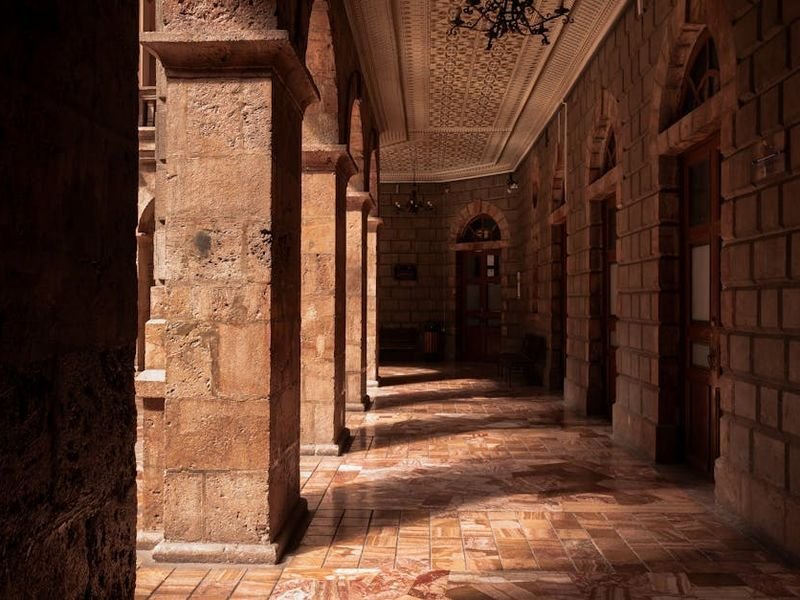
Cuenca is a UNESCO World Heritage city with parks, museums, and cafes perfect for low-impact recovery days. Gentle walks around Parque Calderón, a boat tour on the Tomebamba River, and visits to local artisan markets are all friendly activities after less-invasive procedures. Choose quieter, lower-altitude outdoor spots if you’ve had sedation or surgery in the last 48 hours.
Final Checklist: Before You Leave Home
Use this short checklist to reduce stress:
- Obtain written treatment plan, itemized quote, and warranty terms.
- Bring printed dental records and a list of medications/allergies.
- Schedule an online pre-consult and confirm appointment times in local time.
- Book accommodation near your clinic or in a convenient central location.
- Pack a small recovery kit: salt rinses, soft foods, over-the-counter pain meds (as approved), and extra toothbrushes.
- Plan extra days for unexpected delays and follow-ups.
Conclusion: Balance Caution with Confidence
Dental tourism in Cuenca can be an excellent way to get high-quality dental care at a lower cost while enjoying a culturally rich and comfortable stay. The keys to maximizing value are thorough research, clear communication with your chosen clinic, careful planning around recovery and follow-ups, and realistic expectations about timelines. With the right preparation — from verifying credentials and technology to accommodating altitude and scheduling — your dental vacation can deliver both a healthier smile and a memorable trip to one of Ecuador’s most charming cities.