
Table of Contents
Why timing matters in Cuenca
Cuenca, perched high in Ecuador’s southern highlands at roughly 2,560 meters (8,400 feet), offers a pleasant year-round climate but dramatic seasonal differences in rain, light and local life. Choosing when to visit will shape what you do: clear skies for Cajas hikes, lively streets for festivals, or lush green valleys for photography. This guide breaks down the months, highlights local events, and gives practical tips so you can plan the ideal trip to Cuenca.
Quick facts about Cuenca’s climate and rhythm
- Altitude: ~2,560 m (8,400 ft) — mild but noticeably high; sun is stronger and nights can be cool.
- Average temperature: roughly 10–20°C (50–68°F) through the year, with daytime warmth and chilly nights.
- Seasons: Wet season roughly December–May, dry season roughly June–November, with transitional months in April/November.
- Daylight: near the equator, daylight hours stay close to 12 hours year-round — great for flexible itineraries.
Month-by-month breakdown: what to expect
January–March: Warm days, frequent showers
The early part of the year is part of Cuenca’s rainy season. Expect warm, pleasant daytime temperatures and afternoon or evening showers that can be heavy but often short-lived. The surrounding countryside is at its greenest, making this a beautiful time for landscape photography and visiting local markets bursting with produce.
Pros: fewer tourists, vibrant countryside, lower hotel rates outside festival periods. Cons: afternoon rain can disrupt long hikes and day trips.
April–May: Transition with more unpredictable weather
April and May often act as transitional months. Rain remains likely, but showers can be more intermittent. Semana Santa (Holy Week) sometimes falls in this window — expect religious processions and higher visitor numbers if you’re in town for Easter. Temperatures remain mild, and muleteer and artisan markets start to hum again after holiday lulls.
June–September: Dry, sunny and perfect for outdoor adventures
This is Cuenca’s clearest stretch and the most popular time for outdoor activities. Skies are often blue, visibility in the highlands and Cajas National Park is excellent, and nights become noticeably cooler. If your top priorities are hiking, birding, or photographing distant Andean peaks, aim for these months.
Pros: reliable weather, best trail conditions, ideal for day trips to Cajas and Ingapirca. Cons: more tourists, higher prices for popular dates.
October–November: Green again, festival season in November
October starts to bring intermittent rains back and the landscape regains that emerald look. November stands apart for culture: Fiestas de Cuenca on November 3rd commemorates the city’s independence with parades, music, and community celebrations. The weather is often pleasant, but short showers increase as the month progresses.
Pros: cultural immersion during November celebrations, fewer crowds than mid-year. Cons: more unpredictable weather toward month-end.
December: Rain picks up but holidays sparkle
December marks a return to the wetter months. You’ll see more cloud cover and frequent showers, but the city lights up for the holidays—Christmas markets, decorations and festive nightlife. It’s a charming time if you don’t mind the rain and want to experience local holiday traditions.
Seasons mapped to activities: when to do what
For hiking and Cajas National Park
June through September are your best bets. Trails are drier and views across the páramo and glacial lakes are stunning. Prepare for strong sun at high altitude and temperatures that can drop below freezing at night if you camp or start early.
For photography and clear vistas
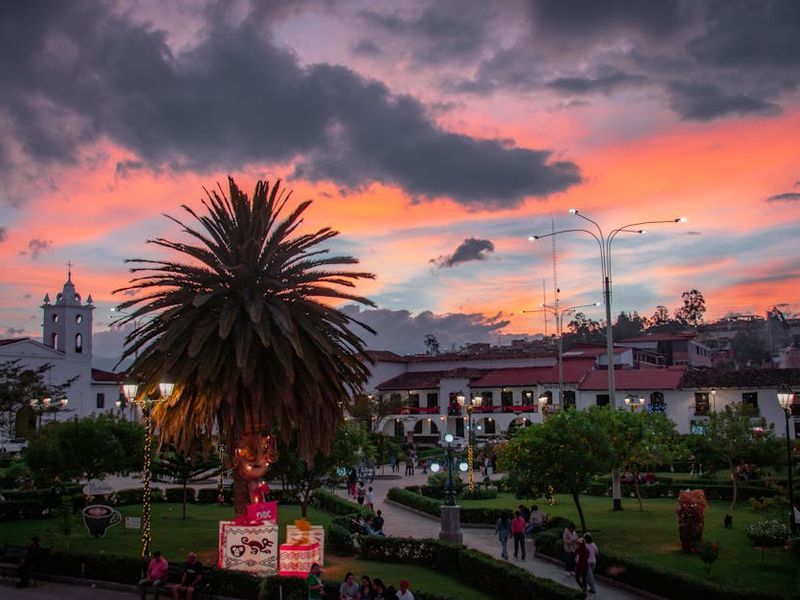
Dry months (June–September) provide crisp blue skies and long visibility. Sunrise and sunset are especially dramatic on clear mornings, and cloud-free days are ideal for capturing the red-tiled roofs and cathedral domes of Cuenca’s historic center.
For festivals, culture, and markets
Plan for early November to be in Cuenca for the Fiestas de Cuenca (November 3) — parades, concerts, and food stalls fill the streets. Semana Santa (March/April, date varies each year) offers solemn and visually striking religious processions if you’re interested in cultural traditions. Weekend markets and artisan fairs occur year-round; check local listings for special craft events in Gualaceo and Chordeleg.
For birdwatching and wildlife
Bird activity is lively during both seasons but different. The wet season (Dec–May) brings lush vegetation and more insect life, which can attract varied bird species; the dry season (Jun–Sep) offers easier access to higher trails and clearer visibility for spotting highland species. If you’re targeting specific birds, ask local guides about seasonal patterns.
Packing and practical tips by season
Clothing and layering
Nighttime gets cool to cold, so always bring layers. A typical packing list: a lightweight base layer, a warm fleece or down jacket, a waterproof shell, quick-dry pants, and a hat and gloves for early mornings in the highlands. Comfortable walking shoes with good grip are essential for cobblestones and mountain trails.
Sun and rain protection
Because you’re near the equator and at high altitude, sun protection is crucial year-round: SPF 30+ sunscreen, UV-blocking sunglasses and a broad-brim hat. Rain gear is most important December–May and during brief afternoon showers in other months — bring a compact waterproof jacket and pack cover.
Altitude and health
At 2,560 m, most visitors manage fine, but you may notice light breathlessness, mild headaches, or trouble sleeping for the first day or two. Walk slowly on arrival, stay hydrated, avoid heavy alcohol in the first 24–48 hours, and consider coca tea (commonly available) or consulting your doctor about acetazolamide if you have a history of altitude illness.
Practical items
- Reusable water bottle (many hotels have filtered water dispensers).
- Small daypack for hikes and market visits.
- Cash in small bills for markets and taxis; most places accept cards but smaller vendors often do not.
Booking and crowds: timing for cost-savings and convenience
The busiest tourist window aligns with dry-season months and holiday periods: June–August and early November during Fiestas de Cuenca. If you prefer lower prices and quieter streets, consider traveling in shoulder months like April–May or October, when the weather is still fairly cooperative and hotel rates are gentler. Book accommodation and guided tours well in advance for June–August and around November 3.
Local experiences by season
Food and markets
Cuenca’s markets are lively any time of year, but harvests peak differently: rainy-season markets overflow with fresh fruits and vegetables, while dry months bring craftspeople out and about. Make time for a breakfast of bolón or hornado at a local mercado, and try local specialities like mote pillo, llapingachos and, if adventurous, cuy in a well-reviewed restaurant.
Artisan towns and day trips
Nearby Gualaceo and Chordeleg are accessible year-round: Gualaceo for textiles and food markets, Chordeleg for intricate silver and gold filigree jewelry. Ingapirca, the largest Inca ruins in Ecuador, is easiest to enjoy in the dry season when trails are slip-free. Cajas National Park’s high-altitude lakes and hiking routes are most pleasant in June–September.
Sample itineraries by season
Three-day dry-season weekend (June–September)
Day 1: Wander the historic center—visit the New Cathedral, visit Panama hat shops, and enjoy coffee at an outdoor café. Day 2: Full-day hike in Cajas National Park with a picnic at a lake. Day 3: Morning shopping in the artisan markets of Cuenca, afternoon trip to Chordeleg for jewelry shopping.
Four-day rainy-season retreat (January–March)
Day 1: Arrive, settle in, light walking tour of the old town. Day 2: Slow morning at markets and museums; afternoon spa or cooking class. Day 3: Short, weather-dependent trip to Ingapirca or a nearby hacienda visit. Day 4: Leisurely coffee and local craft shopping before departure.
Safety, transport and local tips
Getting there and getting around
Cuenca’s Mariscal Lamar Airport (CUE) has regular domestic flights from Quito and Guayaquil; these can be convenient but check for seasonal weather delays during the wet months. Long-distance buses are comfortable, frequent and a scenic way to travel. Inside the city, the historic center is highly walkable—use taxis (agree on price or use a registered radio taxi) after dark or for longer trips.
Money and tipping
Carry small cash for markets and buses. Tipping at restaurants (10% is customary if service is not included) and for guides or drivers is appreciated. Card machines work in most hotels and larger restaurants.
Language and local customs
Spanish is widely spoken—learn a few phrases before you go. Be respectful at religious sites and during processions; if you want to photograph people during festivals, ask politely first. Embrace slow-paced Ecuadorian time—cuenca’s charm often lies in unhurried conversations and neighborhood cafés.
Final recommendations: choose based on what you value most
If crystal-clear mountain views and trekking top your list, plan for June–September and book accordingly. If you want cultural immersion—especially lively parades and community celebrations—arrive in early November for Fiestas de Cuenca. For lower costs, lush landscapes, and quieter streets, consider the shoulder months (April–May or October) and be prepared for occasional rain.
Ultimately, Cuenca is a year-round destination whose highland climate rewards flexible travelers. Pack layers, bring sun protection, and plan a mix of indoor cultural activities and outdoor adventures. Whether you time your visit for blue-sky hikes or festival-filled streets, Cuenca’s blend of colonial charm and Andean landscapes will make the trip memorable.
Resources to plan your visit
Check seasonal festival calendars for exact dates (Semana Santa and Fiestas de Cuenca shift from year to year), consult local guides about trail conditions in Cajas, and verify domestic flight schedules if you’re connecting through Quito or Guayaquil. With a little planning around the weather and events, your trip to Cuenca can be tailored precisely to the experience you want—whether that’s quiet discovery or festive celebration.