
Table of Contents
Why timing matters in Cuenca
Cuenca is often described as a city of eternal spring — pleasant days, crisp nights, and a climate that rarely reaches extremes. Still, the city sits at about 2,560 meters (8,400 feet) above sea level and sits on the edge of dramatic highland landscapes, so weather, crowds, festivals, and outdoor conditions change throughout the year. Choosing when to visit will affect what you see, how you pack, and how much you spend.
Quick climate snapshot: Dry and wet seasons
The Ecuadorian highlands have two broad seasons. The drier months tend to run from June through September, offering more sunshine and clearer skies — ideal for hiking and photography. The wetter months cluster roughly from October through May, with the heaviest rains often falling in March–April and October–November. Even in the rainy season the showers are frequently short and intense, followed by blue skies, but afternoons can be unpredictable.
Month-by-month: What to expect in Cuenca
This month-by-month breakdown helps you match weather, events, and crowd levels to your travel priorities.
January–February: Lush landscapes and fewer tourists
These months are in the rainy season but can still offer many pleasant, sunny periods. The city and surrounding valleys are vibrant and green, perfect for landscape photography and visiting local markets. Expect some afternoon showers and keep an eye on Semana Santa dates in March/April if your visit overlaps with early religious events.
March–April: Peak rains but rich culture
March and April are often the wettest months, with frequent heavy showers. Hiking in El Cajas can be muddy and visibility sometimes limited, yet Semana Santa (Holy Week) and other local traditions make this an interesting cultural time. Many expat travelers avoid these months for outdoor excursions, but museum visits, culinary tours, and city walks under a light drizzle are still very rewarding.
May: Transition month
May is a transitional month with showers tapering off toward the end. It’s a good time to find lower accommodation prices before the high season starts. The countryside is still green, and trails begin to dry, making outdoor day trips more appealing.
June–September: Classic highland weather — dry and clear
These are generally the most reliable months for stable weather, with sunny days and chilly nights. It’s an excellent window for trekking in El Cajas National Park, exploring the rooftop viewpoints like Turi at sunrise, and birdwatching along highland trails. Bear in mind this is also peak tourist season (especially July and August), so book accommodations and guided tours in advance.
October–November: Green again and festive
Rain returns in October and November, but the landscapes turn vividly green and waterfalls grow lively. November is also when Cuenca celebrates its independence (Fiestas de Independencia on November 3), a lively time of parades, music, and city-wide festivities — great for cultural immersion, but expect crowds and higher hotel rates for that specific week.
December: Holiday rush and mixed weather
December combines holiday crowds with inconsistent weather — you might get sunny days or heavy showers. The city is festive toward Christmas and New Year, with many restaurants and shops doing special menus and events. If you plan to travel between December 24–2 Jan, book early and allow extra time for transport delays.
Festivals and events that influence timing
Cuenca’s calendar mixes religious events, civic celebrations, and artisan fairs. Key dates to consider:
- Semana Santa (variable, March/April) — processions, religious pageantry, and many businesses schedule time off.
- Corpus Christi (usually in June) — colorful religious observances in some neighborhoods.
- Fiestas de Independencia (November 3) — parades, concerts, and increased domestic tourism.
- Christmas and New Year — festive markets and special menus but more crowded and pricier.
Choose festival times if you want cultural immersion; avoid them if you want quiet streets and lower prices.
Outdoor activities: Best seasons for hiking, birdwatching, and photography
What you want to do outdoors will be the biggest factor in choosing your travel dates.
- Hiking and trekking: June–September are best for longer treks (El Cajas) when trails are dryer and boggy sections shrink. Always carry gaiters and waterproof boots even then.
- Birdwatching: Dry months give clearer visibility, but the rainy season brings increased insect life and flowering plants that attract more birds. Early morning outings year-round are productive.
- Photography: For dramatic skies and glacier-clear light, aim for the dry season. For vibrant green valleys and misty atmospheric shots, the rainy months are unmatched.
- Day trips (Ingapirca, Chordeleg, Gualaceo): Travel is easiest in dry months; roads can be slippery in heavy rains and some rural markets change schedules in the wet season.
Packing checklist by season
Because weather can change in a day, smart layering and gear choices matter:
- Warm mid-layer (fleece or lightweight down) — nights are cool year-round.
- Waterproof shell or rain jacket — indispensable in the wet season and useful year-round.
- Comfortable walking shoes with good grip; waterproof boots for El Cajas.
- Sun protection: high-elevation sun is strong — hat, sunglasses, SPF 30+ sunscreen.
- Small umbrella or packable poncho — for sudden showers.
- Reusable water bottle, altitude remedies (coca tea is available locally), and basic first-aid supplies.
Health and altitude: What to know before you go
At 2,560 meters, most travelers will feel fine but some notice mild symptoms of altitude adjustment: shortness of breath on heavy exertion, mild headache, or fatigue. Tips to adapt quickly:
- Take it easy on arrival: avoid strenuous activities the first 24–48 hours.
- Hydrate frequently and avoid excessive alcohol in the first day.
- Eat a few light meals and consider coca leaf tea (mate de coca) available at local markets and cafes; it’s a traditional remedy used by many locals.
- If you plan high-altitude hikes (El Cajas reaches above 4,000 m), consider a rest day in Cuenca before heading up and consult a guide if you have respiratory or cardiac conditions.
Practical travel tips: Booking, transport and money-saving hacks
Plan around seasonality to balance prices and experiences.
- Book early in high season: June–August and November festival weeks see higher demand for hotels and guided tours.
- Getting there: Flights arrive at Mariscal Lamar Airport (CUE) — a short taxi ride from the historic center. Buses from Guayaquil take around 4–5 hours; from Quito expect roughly 8–10 hours depending on conditions.
- Local transport: Cuenca’s historic center is compact and walkable; taxis are inexpensive for farther trips. Ride-hailing apps are also used in the city.
- Money and costs: Ecuador uses the U.S. dollar. Weekday and off-season visits can save on lodging; markets and eateries in barrios away from Parque Calderón are more budget-friendly.
Where and when to photograph Cuenca
Photographers should schedule shoots around light and crowd levels:
- Sunrise: Lookouts like Turi offer sweeping city panoramas with soft morning light in the dry season.
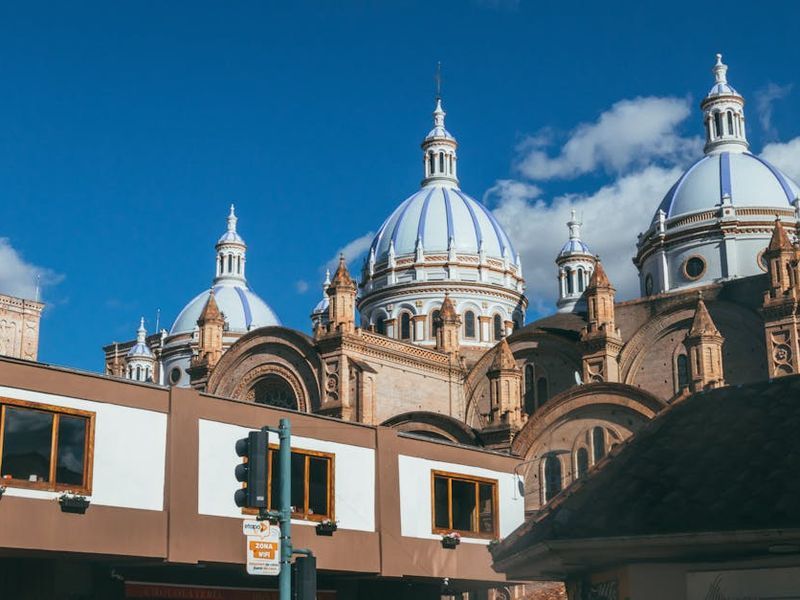
- Golden hour: The blue domes of the New Cathedral glow beautifully at dusk, and the bridges over the Tomebamba River make atmospheric subjects.
- Rainy-season mood shots: Mist over El Cajas lagoons and wet cobblestones in San Blas produce cinematic images — bring weather-sealed gear or protective covers.
When to avoid Cuenca
If you dislike rain or muddied trails, skip March–April and October–November for heavy outdoor plans. Also, if your goal is solitude and you’re sensitive to crowds, avoid late June through August and the first week of November. Lastly, travel during major religious holidays can mean some shops are closed; check dates for Semana Santa and national holidays before booking.
Sample itineraries by season
Here are short itineraries tuned to seasonal strengths:
- Dry-season (July long weekend): Day 1: Historic center and Museo Pumapungo; evening viewpoint at Turi. Day 2: Full-day El Cajas hike and lagunas. Day 3: Chordeleg/ Gualaceo artisan route and return via small Andean villages.
- Wet-season (March cultural weekend): Day 1: Museum and market crawl plus a cooking class. Day 2: Short, guided nature walk outside the city with photography stops; afternoon free for coffee shops and galleries. Day 3: Small-group excursion to Ingapirca with a local guide (roads can be slick; check weather).
Final thoughts: Pick the season that fits your priorities
Choosing the best time to visit Cuenca depends on what you value most: clear skies and optimal hiking (June–September), lush green scenery and fewer tourists (January–May), or vibrant cultural festivals (early November and religious holidays). Whatever month you choose, Cuenca rewards visitors with colonial charm, world-class artisan markets, and easy access to dramatic highland landscapes. Pack for layers, allow time to acclimate to elevation, and plan a few flexible days to make the most of the ever-changing Andean weather.
With a little planning you can enjoy Cuenca’s cobbled streets, riverside walks, and mountain escapades in whatever season you visit. The city’s mild climate means there’s almost always a reason to come back.