
Table of Contents
Why Cuenca should be on your travel radar
Cuenca is one of Ecuador’s most attractive cities: a UNESCO-listed historic center, a relaxed expat vibe, cool mountain air, and easy access to spectacular nature. Whether you’re planning a short vacation or considering a longer stay, the city’s mix of colonial architecture, artisan markets, and nearby national parks makes it an inviting place to explore. This guide gives practical, on-the-ground advice so your first visit goes smoothly.
Quick facts to know before you go
It helps to arrive with a few basics already understood. Cuenca sits at about 2,560 meters (roughly 8,400 feet) above sea level, so altitude matters. Ecuador uses the US dollar as its official currency, Spanish is the dominant language, and the historic core — centered on Parque Calderón — is compact and eminently walkable. The local airport (CUE) is a short drive from downtown, so reaching your hotel is typically quick and affordable.
When to visit
Cuenca enjoys spring-like weather year-round, but there are wetter and drier months. The drier season tends to run from June through September and is excellent for hiking and outdoor day trips; the wet season roughly spans October through May. Even in rainy months showers are often brief, but always pack a lightweight rain layer.
Packing and clothing tips for high-altitude comfort
Layering is your friend. Temperatures swing between cool mornings and mild afternoons, and nights can be chilly. Bring a warm sweater or light down jacket for evenings and higher-altitude day trips. Good walking shoes are essential — cobblestone streets in the historic center are charming but unforgiving on flimsy soles.
- Sunscreen and a brimmed hat — UV is stronger at altitude.
- A reusable water bottle — staying hydrated helps with altitude adjustment.
- A compact umbrella or rain jacket — sudden showers are common.
- Plug adapter if you need it (Ecuador uses 110–120V with type A/B plugs).
Altitude: what to expect and how to acclimatize
At 2,560 meters you may feel shortness of breath after climbing stairs or walking briskly, headaches, or light fatigue for the first 24–48 hours. Take it easy on arrival: avoid strenuous hikes your first day, limit alcohol, drink plenty of water, and eat lightly. Over-the-counter remedies like ibuprofen or acetaminophen can help headaches; discuss more serious altitude medication with your doctor before traveling.
Getting around Cuenca
Walking is the best way to explore the compact historic center — you’ll discover plazas, churches, and cafés simply by strolling. For longer distances, options include local buses, taxis, and app-based ride services where available. Buses are cheap and frequent but can be crowded during rush hours. Taxis are plentiful; ask a hotel to call a registered taxi cooperative if you want extra assurance, or agree on a price before starting the ride. Many drivers will accept cash only, so keep small bills handy.
Practical transit tips
- Carry small denominations; bus drivers and market vendors may not have change for large bills.
- Ride-sharing apps operate sporadically—use them when available but don’t rely on them as your sole transport option.
- If renting a car, be prepared for narrow streets in the historic center and limited parking; pay attention to one-way signage.
Where to stay: neighborhoods that fit different travel styles
The historic center (around Parque Calderón) is ideal for first-timers who want to be close to museums, restaurants, and churches. If you prefer quieter nights and river views, look along the Tomebamba River where many boutique hotels and apartments offer a peaceful setting. For panoramic views, the Turi area on a hill south of downtown provides sweeping cityscapes and is a short taxi ride to the center.
Must-see sights and neighborhood highlights
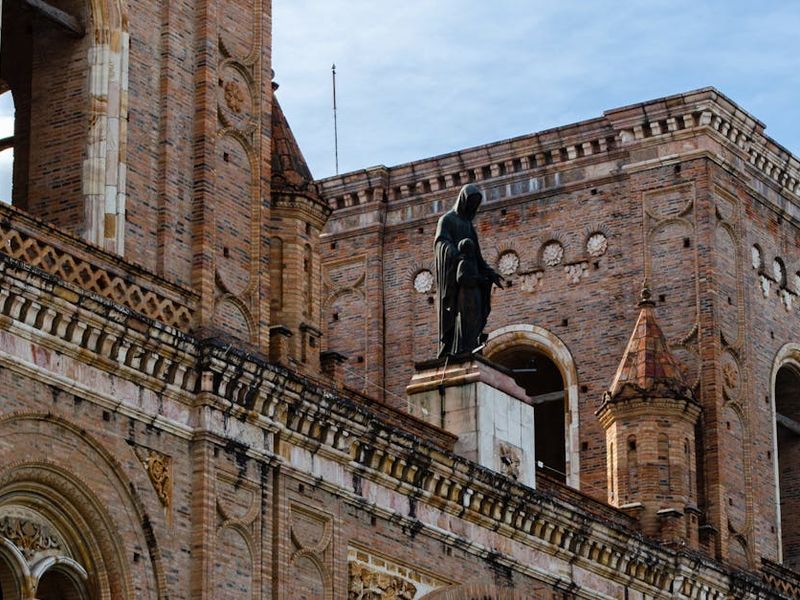
No first trip is complete without a walk through the colonial core — admire the twin blue domes of the New Cathedral, linger in Parque Calderón, and cross the stone bridges over the Tomebamba River. Visit Museo Pumapungo to understand pre-Columbian and colonial history, then explore artisan shops for locally made goods. Don’t miss the artisan towns nearby where handwoven textiles and silverwork are made by skilled craftspeople.
Top day-trip ideas
- El Cajas National Park: Less than an hour away, this high Andean landscape offers hiking around glacial lagoons and open paramo — pack warm layers and water.
- Ingapirca: Ecuador’s largest Inca ruins, roughly a two-hour drive, where stone architecture and interpretive tours bring the past to life.
- Chordeleg and Gualaceo: Known for silverwork and textiles, great for picking up unique gifts and watching artisans at work.
Food and drinking — what to try and where
Cuenca has a lively culinary scene that ranges from traditional Ecuadorian dishes to modern fusion. Try local specialties like hornado (slow-roasted pork), menestra with rice, and for the adventurous, cuy (roasted guinea pig) is a traditional delicacy. The city’s mercados are great places to taste fresh fruit juices, empanadas, and local snacks. Coffee shops abound; Ecuadorian coffee from the nearby highlands is excellent.
Practical dining advice
- Most restaurants accept credit cards, but smaller street vendors are cash-only.
- Tipping of about 10% is customary if service isn’t already included on the bill.
- If you have dietary restrictions, learn key Spanish phrases or show them written down — it helps in markets and small restaurants.
Money, phones, and connectivity
Cuenca uses the US dollar, which removes the need for currency exchange for many travelers. ATMs are widely available, but use bank ATMs and cover your PIN to avoid skimming. Prepaid SIM cards from local carriers are easy to purchase at official stores or kiosks with your passport; data plans are affordable and provide good coverage within the city. If you prefer not to buy a SIM, many cafés and hotels offer reliable Wi‑Fi.
Safety and common-sense precautions
Cuenca is considered one of Ecuador’s safer cities, but petty crime like pickpocketing can occur in crowded areas. Use common-sense precautions: keep valuables out of sight, carry only what you need for the day, and be cautious with smartphones while walking. At night, stick to well-lit streets and main avenues, and call a registered taxi for late returns rather than trying to flag a ride on the street.
Health and emergency tips
Pharmacies are plentiful and most medications available without a prescription, but if you require a specific prescription bring enough for your stay. Travel insurance that covers medical evacuation is a good idea for high-altitude activities or remote treks. While Cuenca’s tap water is treated and many locals drink it, visitors with sensitive stomachs often prefer bottled water at first.
Respectful travel and cultural etiquette
Locals appreciate polite greetings — a simple buenos días or buenas tardes goes a long way. Ecuadorians tend to be warm and moderately formal in initial encounters; use Señor/Señora until invited to use first names. When photographing people, always ask permission first. If you visit indigenous communities or artisan workshops, be mindful that photography may be discouraged at times and that bargaining should remain respectful.
Shopping: what to buy and how to bargain
Cuenca is an excellent place for handmade goods. Look for finely woven textiles, alpaca garments, and silver filigree jewelry from nearby Chordeleg. Panama hats — actually woven in Ecuador — are sold widely; a true quality toquilla hat will feel light and have thousands of tight weaves. In markets, polite haggling is common: start about 20–30% lower than the asking price, and be ready to walk away if you don’t like the deal.
Final checklist for first-time visitors
- Bring layered clothing and sturdy walking shoes for cobblestones and variable weather.
- Allow a day to acclimatize to the altitude; hydrate and take it easy.
- Carry small bills and a copy of your passport; inform your bank before travel.
- Learn a handful of Spanish phrases; they go far with locals and vendors.
- Plan at least one day trip (El Cajas or Ingapirca) to see Ecuador’s natural and archaeological highlights.
Enjoying Cuenca like a local
Beyond the guidebook sights, the best memories come from slow moments: sipping coffee in a sunlit plaza, watching laundry hang from colonial balconies, or talking with a craftsman in a small workshop. Cuenca rewards curiosity and a relaxed pace — come prepared with practical items and an open mind, and you’ll leave with stories of a lively, layered city high in the Andes.
Armed with these tips, your first trip to Cuenca can be comfortable, safe, and full of discovery. Take time to explore the alleys, savor local flavors, and step outside the historic center for day trips — you’ll find the region’s landscapes and traditions are as rich as its architecture.