
Table of Contents
Introduction: Dental Tourism Reimagined in Cuenca
If you’re weighing dental implants in the United States or Canada against going abroad, Cuenca, Ecuador deserves serious consideration. This colonial Andean city combines dramatic cost savings with clinical excellence, modern technology, and a peaceful recovery environment that turns necessary dental work into a restorative vacation. In this article we break down costs, quality, timelines, logistics, and patient tips so you can decide if Cuenca should be your next dental destination.
How Cuenca Delivers 60–70% Savings Without Cutting Corners
The number that gets most people’s attention is price: a single dental implant that could cost anywhere from $3,000 to $6,000 in the U.S. often runs $900 to $1,500 in Cuenca. Crowns that routinely cost $1,000–$2,000 in North America frequently cost $250–$500 here. Veneers that might set you back $1,200–$2,500 per tooth north of the border are commonly $300–$700 in Cuenca. Those are not one-off bargain prices — they reflect a consistent 60–70% reduction compared with U.S./Canadian averages.
Why the difference? Lower overheads (cheaper rent, staffing and supplies), favorable currency exchange, and a competitive local dental market combine so clinics can charge far less while still investing in modern equipment and highly trained staff. For many patients, that translates into being able to afford multiple implants or a full-mouth restoration at a fraction of the cost back home.
World-Class Training and International Standards
Cuenca’s dentists are trained in rigorous programs and many pursue continuing education internationally. Local dental schools and postgraduate programs produce professionals who routinely attend courses and certifications abroad in implantology, prosthodontics, and aesthetic dentistry. It’s common for dentists in Cuenca to partner with or receive training from international implant companies and to use globally recognized implant systems and restorative materials.
Before you commit, ask a clinic for details about their dentists’ education, certifications, and participation in international training. Most reputable clinics will gladly provide CVs and links to professional memberships — an important step to ensuring quality and peace of mind.
Modern Clinics With Cutting-Edge Technology
Don’t assume ‘affordable’ means ‘outdated.’ Many Cuenca clinics feature digital intraoral scanners, cone beam CT (CBCT) machines for 3D imaging, CAD/CAM milling units, guided implant surgery workflows, and sterilization systems that meet or exceed international standards. These technologies improve diagnostic accuracy, shorten treatment times, and increase predictability — critical factors for successful implant placements and aesthetically pleasing crowns and veneers.
Ask specifically whether clinics use guided implant surgery, which increases placement precision, whether they offer immediate loading where appropriate, and which implant brands they stock. Using well-known international brands helps guarantee implant components and worldwide support if follow-up care is needed elsewhere.
Short Wait Times and Streamlined Planning
One of the frustrations of getting dental care at home can be waiting weeks or months for consultations and procedures. In Cuenca, wait times are typically short. You can arrange a virtual consultation in days, receive a detailed plan and quote quickly, and often schedule surgery within weeks of arrival. Clinics that specialize in international patients are adept at coordinating imaging, planning, surgery and follow-up so multiple appointments can be organized efficiently.
Many clinics handle pre-travel planning remotely: you email photos and X-rays, have a video consult, receive a treatment plan, and arrive ready for your first procedure. If your case requires staged work (two visits several months apart for traditional implants), clinics will give a clear timeline so you can pair necessary downtime with local tours and rest.
Personalized, One-on-One Care
One of the standout benefits patients report is the level of personalized attention. Clinics in Cuenca often keep patient volumes manageable and prioritize individualized treatment — you’ll frequently see the same dentist from consultation through restoration. That continuity builds trust, reduces miscommunication, and ensures your treatment reflects your priorities for function and aesthetics.
English-speaking staff and patient coordinators are common at clinics catering to international patients, which simplifies logistics, transportation, and accommodation recommendations. Many clinics also offer post-procedure check-ins and emergency contact lines for peace of mind after you return home.
Combine Treatment With a Healing Vacation
One of the most compelling reasons to choose Cuenca for dental implants is the recovery environment. Cuenca’s temperate, spring-like climate, walkable historic center, and calm parks provide an ideal backdrop for recuperation. Whether you’re staying in a quiet guesthouse near Parque Calderón or a boutique hotel in the historic district, you’ll find gentle activities and low-stress options for rest and rehabilitation.
Day trips to El Cajas National Park for short hikes and lake views, visits to local artisanal markets, gentle strolls along the Tomebamba River, and relaxing in nearby thermal spas make it easy to balance dental recovery with restorative experiences. Many patients report that being in Cuenca — away from the stress of home routines — speeds emotional recovery and helps them adhere to post-op care.
What Procedures Work Best as a Dental Vacation?
Cuenca is especially strong for procedures that benefit from cost savings and a relaxed recovery period. These include:
- Single dental implants and multiple implants — dramatic savings make more comprehensive restorations affordable.
- Crowns and bridges — same-material restorations at a fraction of North American prices.
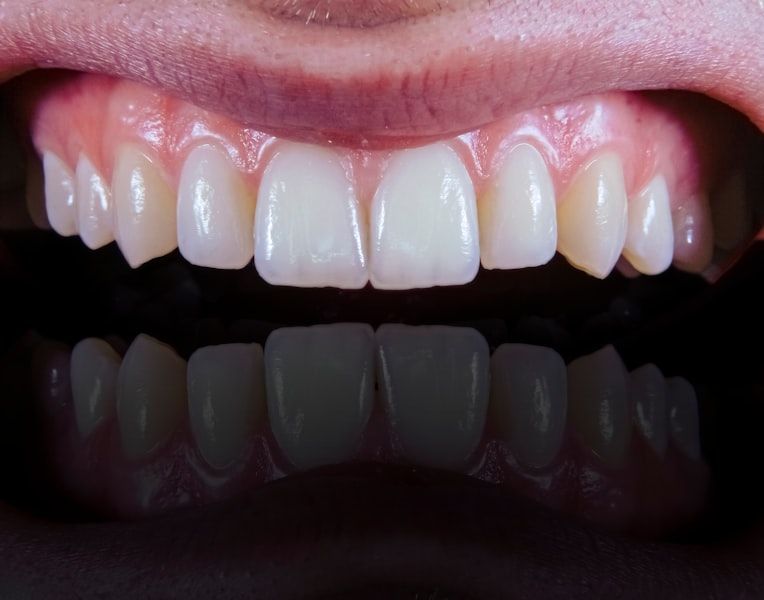
- Porcelain veneers — affordable cosmetic upgrades with high-quality materials and lab work.
- All-on-4 and full-arch implant solutions — many clinics offer complete-package pricing including surgery, provisional prosthesis, and follow-up.
For treatments that require multiple stages, clinics will often customize timelines so you can combine an initial surgical visit with a restorative return visit, or — where clinically appropriate — use immediate loading techniques that allow provisional teeth on the same day as surgery.
Detailed Cost Comparison: Realistic Examples
Here are conservative, realistic price ranges to illustrate the financial benefits of dental tourism in Cuenca. Prices vary by clinic, materials, and complexity, but these figures reflect common ranges as of today.
- Single implant (implant body + abutment + crown): Cuenca $900–$1,500 vs U.S. $3,000–$6,000
- Porcelain crown: Cuenca $250–$500 vs U.S. $1,000–$2,000
- Porcelain veneer: Cuenca $300–$700 vs U.S. $1,000–$2,500
- All-on-4 full-arch: Cuenca $7,000–$12,000 vs U.S. $24,000–$50,000+
These differences translate into real dollars: a three-implant case that might cost $15,000 in the U.S. could be $4,000–$6,000 in Cuenca, including crowns and follow-up. When you add affordable lodging and flights, the total still often comes in well below the single-country price while offering equal or superior personalized care.
Practical Planning Tips: How to Prepare for a Dental Trip to Cuenca
Being organized will make your dental vacation smooth and stress-free. Here are practical tips based on what experienced patients recommend:
- Start with a virtual consult: Send photos, current X-rays, and a concise dental history. This allows clinics to pre-plan and give accurate quotes.
- Ask for an itemized estimate: Make sure the quote includes implants, abutments, crowns, lab fees, anesthesia, medications, and follow-up visits.
- Verify credentials and equipment: Request dentists’ CVs, clinic photos, CBCT availability, and sterilization protocols.
- Request before-and-after photos: Seeing previous cases similar to yours helps set realistic expectations.
- Plan for staging: Traditional implants usually require a healing period between placement and crown delivery (often 3–6 months). Confirm the expected number of visits and recommended downtime.
- Book flexible travel: Allow time for follow-up and small adjustments. Return visits are usually quick and inexpensive if needed.
- Consider travel insurance and medical-evac coverage for peace of mind.
Safety, Aftercare and Warranties
Safety and long-term success are top priorities for reputable clinics. Ask about sterilization policies, infection control, local anesthesia and sedation options, and emergency protocols. Many clinics provide written post-op instructions, antibiotics and pain management plans, and scheduled follow-up visits to monitor healing.
Warranty policies differ; some clinics offer limited guarantees on implants and prosthetics if proper aftercare is followed. Get warranty details in writing and understand what is covered and for how long. If you plan to return home, discuss arrangements for potential future adjustments — many North American dentists will work with foreign providers on a case-by-case basis.
Packing Your Dental Vacation: What to Bring
Practical items to pack for a dental trip to Cuenca include a copy of your treatment plan, copies of X-rays, a list of medications and allergies, comfortable clothing, a soft-food plan (blended soups, smoothies), and travel-size toiletries. Bring a pillow for plane travel if recommended for comfort after procedures, and download local maps and clinic contact numbers.
Real Patient Experiences and Reputation
Patient testimonials consistently note affordability, attentive care, and the tranquil recovery environment as key benefits. Many international patients choose Cuenca because they can afford more comprehensive treatment — like several implants — rather than piecemeal care. Word-of-mouth and online reviews are helpful; look for clinics with transparent pricing, detailed before-and-after galleries, and a history of working with international patients.
Final Considerations: Is Cuenca the Right Choice for You?
Cuenca is not just a cost-saving alternative; it’s a value-rich option that blends world-class clinical care with one of the most pleasant recovery environments imaginable. If cost is a major factor, and you want high-quality implants, crowns, or veneers without long waits or impersonal care, Cuenca is arguably one of the best places in the world to get dental work done.
Make decisions based on thorough research: compare multiple clinics, ask for itemized quotes, verify credentials and equipment, and plan your travel and aftercare carefully. With the right clinic and proper planning, your dental implants can cost a fraction of North American prices while delivering equal or better quality — and you’ll return home with renewed oral health and memories of an unforgettable Ecuadorian escape.
Quick Checklist Before Booking
- Have a virtual consult and receive an itemized treatment plan
- Confirm implant brands and lab materials
- Verify dentist credentials and clinic imaging equipment
- Plan travel and accommodations for recovery time
- Arrange follow-up appointments and understand warranty terms
Cuenca’s unique combination of dramatic savings, clinical expertise, modern technology, short wait times, and a restorative setting makes it the ideal destination for dental implants and other major restorative work. If you’re ready to explore dental tourism, Cuenca deserves to be at the top of your list.