
Table of Contents
Why Cuenca is a Top Choice for Dental Tourism
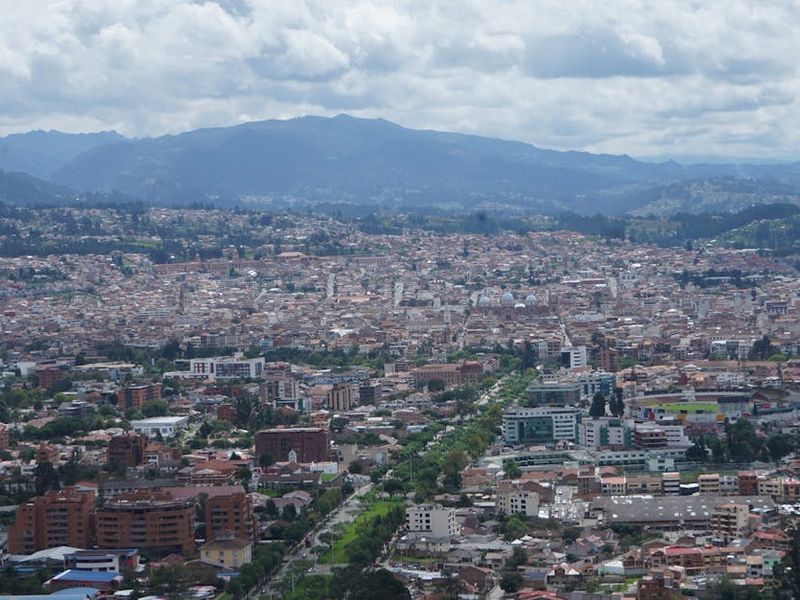
Cuenca has become a favorite destination for dental tourists because it combines experienced clinicians, modern clinics, affordable pricing, and a comfortable stay in a charming, historic city. Nestled in the southern highlands of Ecuador, Cuenca offers a pleasant climate, excellent expat infrastructure, and an international airport, making it easy to plan a dental-focused trip that also feels like a mini vacation.
Before You Book: Research and Documentation
Start with careful research. Join expat and dental tourism forums, read patient testimonials, and ask for before and after photos. Good clinics will provide digital records and itemized treatment plans. Prepare a packet with your medical history, a list of current medications, allergies, and any prior dental x-rays if you have them. This speeds up consultations and helps clinicians provide accurate quotes.
Key items to request before arrival
- Itemized estimate with each procedure listed separately
- Information on implant brands, crowns, and dental laboratory partners
- Clinic accreditations and infection control protocols
- Consent forms in a language you understand
Choosing a Clinic in Cuenca
Cuenca has clinics ranging from small family practices to multi-specialty centers. Look for clinics that handle the full scope of your needs in-house rather than referring out key services. This reduces the risk of miscommunication and can shorten travel times between appointments. Many clinics in Cuenca advertise English-speaking staff, which is a big advantage when discussing detailed treatment plans.
What to ask during your initial inquiry
- How many years of experience do the dentists have in the specific procedure you need
- Will you meet the same dentist for surgery and restoration
- Which imaging technology do they use, such as panoramic x-ray or cone beam CT
- Are sterilization processes single-use or autoclave verified
- Do they provide written guarantees or warranties and what do those cover
Pricing Realities and How to Compare Offers
One of the main draws of Cuenca is the cost advantage. Dental work can often be significantly cheaper than in North America or Europe, but prices vary widely. When comparing offers, avoid choosing solely on lowest price. Instead, compare like for like. For example, does a quoted implant include the abutment and final crown, or only the surgical placement? Are high quality implant brands included, or are cheaper alternatives being used?
Ask for an itemized comparison
- Examination and imaging fees
- Implant, abutment, and crown costs listed separately
- Lab fees including type of ceramic used
- Follow up visits and any emergency care coverage
Planning Your Trip Timeline
Some dental procedures require multiple stages and months of healing. Create a realistic timeline with your clinic based on the procedures you need. For single crowns, you may need only a week. For implant cases, expect stages: surgical placement, healing of several weeks to months, then restoration. If you have limited time, consider procedures suited to short trips such as extractions, root canals, small restorations, or temporary crowns. If you require implants, ask about immediate load options but understand these are not suitable for every patient.
Sample itineraries
- 7 to 10 days: consultations, cleanings, extractions, temporary restorations
- 10 to 14 days: multiple crowns, some implant cases when using temporary solutions
- 2 trips over 3 to 6 months: implant placement first, travel home during healing, return for final prosthesis
Travel and Health Considerations in Cuenca
Cuenca sits at about 2,560 meters or 8,400 feet above sea level. The altitude is generally well tolerated, but you should be aware it can affect anesthesia and sedation. If you plan IV sedation or general anesthesia, discuss this with both your medical doctor and the dentist. Also consider how flying might affect healing after oral surgery. Many practitioners recommend waiting 24 to 72 hours before flying after extractions, and longer if there was significant sinus elevation or other major surgery. Always get the clinic’s advice before booking return flights.
Basic health tips for recovery
- Bring or transfer prescriptions for antibiotics and pain meds. Many are available locally but having the prescription in hand helps.
- Stay hydrated but avoid straws for a week after extractions or implants.
- Plan for a soft food diet: soups, yogurt, mashed vegetables, and soft rice are widely available in Cuenca
- Avoid heavy exertion and high-intensity sightseeing in the first 48 to 72 hours after surgical procedures
Where to Stay and What to Do During Recovery
Select accommodation close to your clinic to reduce travel. Cuenca’s historic center, near Parque Calderón and the Tomebamba River, is convenient and lively, with plenty of restaurants and pharmacies within walking distance. If you prefer quiet and views, the Turi neighborhood on the hill above the city offers quieter lodgings and panoramic vistas. Many patients choose furnished apartments or small hotels that provide kitchen facilities for easy preparation of soft meals.
Low-key activities while healing
- Leisurely walks along the Tomebamba River
- Visiting artisanal markets for light shopping
- Museum visits like the Museo Pumapungo for short, seated tours
- Short cafe visits and gentle cultural outings
Communication, Language, and Cultural Tips
Many clinics catering to international patients have English-speaking staff, but having some Spanish phrases ready can help. Simple phrases when describing pain, allergies, or concerns can be useful. Use online translation apps if needed, but also ask for written instructions in English for postoperative care. Ecuadorian medical and dental staff are generally friendly and accommodating, and clear communication reduces the risk of misunderstandings.
Safety, Follow Up, and Warranties
Ask about the clinic’s policy for complications and emergencies. A reputable clinic will outline the steps for urgent care during your stay and for any requirement after you return home. Get written warranties if offered, but read the fine print so you understand exclusions. Keep all documentation and digital images from your treatment, including implant certificates if provided. These records will be invaluable if you need follow up care back home.
Organizing follow up care at home
- Bring a copy of the treatment plan and x-rays to your dentist back home
- Ask the Cuenca clinic for recommended local dentists if you need maintenance while traveling
- Consider scheduling a follow up visit locally within three months after major restorations
Money Matters and Payment Options
Establish payment terms up front. Some clinics require a deposit to reserve appointments, while others accept payment on the day of service. Many accept international credit cards, bank transfers, or cash. Be aware of exchange rates and international transaction fees. Get an itemized invoice and receipts. If you plan to use funds from medical savings or dental insurance, confirm whether the clinic can provide the necessary documentation for reimbursement.
Maximizing Value Without Cutting Corners
Getting the best value is about balancing cost with quality and convenience. Prioritize clinics that use proven materials, document their procedures, and demonstrate clear post-op plans. Value also comes from planning: combining multiple procedures into one trip, arranging comfortable accommodation nearby, and choosing off-peak travel dates can save money and stress. But never compromise on expertise or sterilization to chase a lower price.
Practical Checklist for a Successful Dental Vacation in Cuenca
- Obtain an itemized treatment estimate and written consent forms
- Request imaging like panoramic x-rays or CBCT scans if needed
- Confirm implant brands and lab work for crowns or bridges
- Arrange English-language post-op instructions and emergency contact numbers
- Book accommodation close to the clinic and pack soft-food friendly items
- Give yourself adequate recovery time before your return flight
- Keep all records, receipts, and warranties organized and duplicated digitally
Final Thoughts: Treat It Like a Medical Trip, Not Just a Vacation
Cuenca can offer excellent dental care at a fraction of the cost found elsewhere, but success depends on planning, realistic expectations, and careful clinic selection. Treat your dental vacation as a medical trip with leisure components rather than a getaway with incidental dentistry. Make decisions based on credentials, communication, and documented outcomes, and you ll leave Cuenca with not only a beautiful smile but also a safe and satisfying experience.
With thoughtful preparation, clear communication, and reasonable expectations, your dental trip to Cuenca can deliver substantial savings and high-quality care while allowing time to enjoy one of Ecuador s most charismatic cities.