
Table of Contents
Why Cuenca Is a Smart Choice for Dental Travel
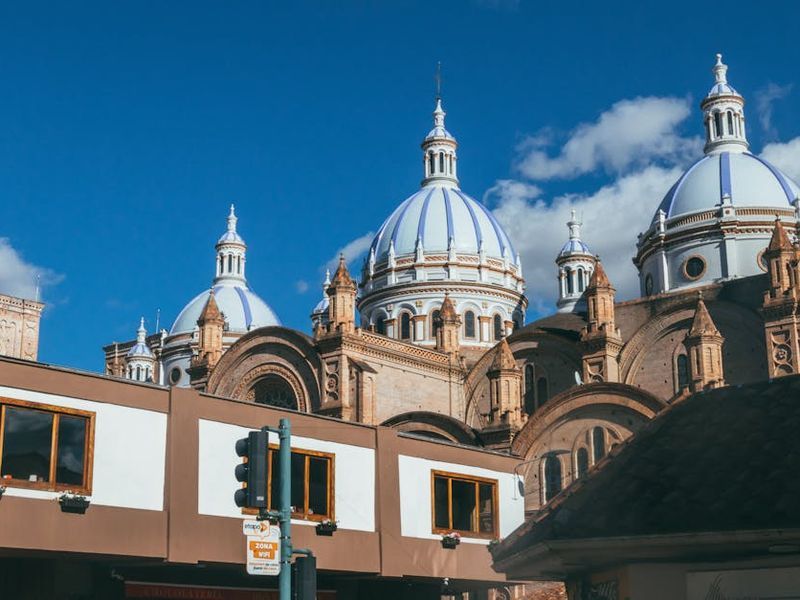
Cuenca, Ecuador has become a popular destination for dental tourism thanks to lower costs, a growing number of internationally-trained clinicians, and a charming colonial city that makes recovery pleasant. The city sits at about 2,560 meters (8,400 feet) above sea level, uses the U.S. dollar, and has a compact historic center ideal for gentle walks between appointments. While price is a major draw, many travelers cite friendly dental teams, modern equipment, and the opportunity to combine treatment with a cultural escape as reasons they choose Cuenca.
Begin with Research: Choosing the Right Clinic
Not all clinics are created equal. Start by narrowing options using these criteria:
- Clear before-and-after photos and patient testimonials (look for recent, verifiable cases).
- Transparent treatment plans: itemized costs, materials listed (e.g., zirconia vs. porcelain), estimated lifespan and warranty policies.
- Digital diagnostics: intraoral scanning, 3D CBCT imaging, and CAD/CAM milling are signs of modern practice.
- English-speaking staff or translators, especially if you’re not fluent in Spanish.
- Follow-up care policies, emergency contacts, and the clinic’s procedure for complications.
Ask clinics to send a provisional treatment plan based on photos and X-rays, and request a video call to meet the dentist. That initial conversation will reveal how comfortable you feel with the clinician and how openly the team communicates.
Timeline and Typical Treatment Plans
Dental procedures vary widely in duration and recovery. Understanding the timeline helps you schedule flights and accommodations.
- Simple procedures (fillings, extractions, crowns): often completed in 1–2 visits over 3–7 days.
- Implants: many clinics offer single-visit implant placement with provisional crowns, but full osseointegration typically requires 3–6 months. If you need temporary solutions, ask about immediate load options and the planned follow-up schedule.
- Full-mouth rehabilitation: complex cases may be staged across multiple trips or coordinated with local labs for expedited restorations.
Plan for at least a day of acclimatization to Cuenca’s altitude before an invasive procedure. If you’re having sedation or general anesthesia, you may want an extra day to recuperate under supervision.
Costs and What to Expect Financially
Price is a primary motivator for dental travel. Below are ballpark ranges in U.S. dollars for common procedures in Cuenca compared with North American prices. These are estimates — always get a written quote.
- Single dental implant (surgery + standard abutment): often ranges from $700 to $1,500 in Cuenca; expect $3,000+ in the U.S./Canada.
- Crown (porcelain/ceramic): commonly $150 to $400; U.S. averages $800–$1,500.
- Veneers: $150 to $400 per tooth in Cuenca vs. $900+ in North America.
- Root canal: $100 to $300 in Ecuador vs. $700–$1,200 in the U.S.
Ask whether the quote includes diagnostics, local anesthesia, temporary restorations, and follow-ups. Confirm accepted payment methods — many clinics accept cash in USD, major credit cards, and bank transfers. Keep receipts for warranty or insurance claims.
Legal, Safety, and Insurance Considerations
Dental tourism carries risk. Protect yourself with clear documentation and informed consent:
- Insist on a detailed consent form in a language you understand that outlines risks, alternatives, and aftercare instructions.
- Ask about the clinic’s sterilization protocols, instrument processing, and waste disposal routines.
- Verify the dentist’s professional credentials and memberships. If possible, request license numbers and confirm with the local regulatory body.
- Consider travel health insurance that covers complications or emergency dental treatment. Some clinics offer limited warranties—get it in writing.
Travel Logistics: Getting There and Getting Around
Cuenca’s airport is Mariscal Lamar (CUE). It’s served by domestic flights from Quito and Guayaquil, and many international travelers connect through Quito or Guayaquil. When booking, allow extra time for connections to reduce stress if your flight is delayed.
On arrival, plan a taxi or transfer directly to your accommodation—many clinics offer airport pick-up as part of their service. Within the city, taxis and ride-hailing apps operate; fares are inexpensive compared to North America. The historic center (around Parque Calderón) is extremely walkable and convenient if your clinic is nearby.
Because Cuenca sits at high altitude, some people experience light shortness of breath, headaches, or fatigue for a day or two. Stay hydrated, move slowly for the first 24–48 hours, and avoid strenuous activity immediately after surgery.
Where to Stay: Neighborhoods and Accommodation Tips
Choosing the right neighborhood makes recovery easier. Recommended areas include:
- Historic Center (around Parque Calderón): ideal for short walks, restaurants, and proximity to many clinics.
- San Sebastián and neighboring blocks: quieter residential streets that are still within walking distance of downtown.
- Near the Mall del Río or Avenida Loja: convenient if you prefer modern hotels and shopping options.
Look for places with a kitchen or kitchenette so you can prepare soft foods post-procedure. If you anticipate sedation, choose accommodations on the ground floor or those with elevators to avoid stairs.
Aftercare in Cuenca: Recovery, Food, and Follow-up
After any dental procedure you’ll want to prioritize rest and gentle nutrition. Typical aftercare tips for dental travelers include:
- Stock soft, nutritious foods: eggs, yogurt, mashed potatoes, soups (blended if necessary), and smoothies. Local supermarkets like Supermaxi carry fresh produce and prepared options.
- Avoid hot, spicy, or acidic foods and beverages for the first few days — Ecuadorian cuisine has delicious items like hornado and ceviche, but these can be hard on fresh surgical sites.
- Follow the clinic’s antibiotic and analgesic regimen precisely. If a medication causes an adverse reaction, contact the clinic immediately.
- Maintain oral hygiene with gentle rinses as recommended. Ask for written instructions and a checklist of warning signs that require prompt attention.
If you need follow-up care after returning home, make sure your dentist provides all records, radiographs, and lab communication so your local dentist can continue the treatment plan seamlessly.
Local Services and Practical Tips
Useful local knowledge can make your stay smoother:
- Currency: Ecuador uses the U.S. dollar, so you won’t need currency exchange if you’re coming from the U.S.
- Pharmacies: Plenty of pharmacies are scattered through the city; ask your clinic where they recommend for prescriptions and OTC pain meds.
- Supermarkets and markets: Supermaxi and small local markets provide groceries and soft food options near central neighborhoods.
- Language: While many clinics have English-speaking staff, brushing up on basic Spanish dental phrases helps; a translation app can be invaluable.
Enjoying Cuenca While You Heal
Cuenca is an excellent place to recover. Its mild climate and cultural attractions allow you to move at a relaxed pace:
- Take leisurely strolls around Parque Calderón and the cobblestone streets of the historic center to enjoy architecture and coffee shop culture.
- Visit the artisan towns of Gualaceo and Chordeleg for a gentle day trip — both are within easy reach and offer crafts and local foods.
- Consider a short visit to El Cajas National Park if your dentist permits light outdoor activity; be mindful of altitude and exertion.
Plan low-energy activities the first few days and keep a flexible schedule to accommodate any unexpected follow-up visits.
Pre-Trip Checklist
Use this checklist to prepare before you leave:
- Obtain a written, itemized treatment plan with timelines and costs.
- Verify travel documents, flight connections, and airport transfer options.
- Pack a recovery kit: comfortable clothing, soft food staples, prescribed medications, extra toothbrushes, and an oral rinse.
- Arrange for someone to accompany you if you anticipate sedation or if you prefer added support during recovery.
- Have digital and printed copies of your medical/dental records and a list of current medications and allergies.
Common Questions from Dental Travelers
How long should I stay in Cuenca for a dental implant?
Many clinics recommend 7–14 days for implant placement and an initial checkup, but final crown placement may require returning after healing or coordinating with your home dentist. Ask if the clinic can provide a temporary crown before you leave.
Is it safe to get multiple procedures at once?
That depends on your general health and the complexity of the work. Experienced dentists can perform several procedures in one visit, but discuss risks, your tolerance for downtime, and anesthesia options prior to scheduling.
What if something goes wrong after I return home?
Choose a clinic with clear follow-up policies and emergency contact options. Request complete records and radiographs so your local dentist can evaluate and treat any complications if needed.
Final Thoughts: Balance Savings with Quality
Cuenca offers an appealing mix of high-quality dental care at lower prices and a pleasant environment for recovery. The key to a successful dental vacation is thorough research, clear communication, and realistic scheduling. Prioritize clinics that provide transparent treatment plans, documented protocols, and strong aftercare. With proper planning, Cuenca can be a comfortable, safe place to receive dentistry while enjoying one of Ecuador’s most beloved cities.
Use this guide as a starting point: create your checklist, request written estimates, schedule a video consultation, and give yourself time to acclimatize to the altitude. When done well, dental travel to Cuenca can repair your smile and give you a memorable cultural experience all at once.