
Table of Contents
Introduction: Dental Tourism Meets Vacation in Cuenca
If you need dental implants, crowns, or veneers but dread U.S. or Canadian prices and long wait times, Cuenca, Ecuador deserves a close look. This colonial city blends dramatic cost savings with highly trained dentists, modern clinics, and an inviting recovery environment that makes it uniquely suited for dental tourism. In short: you can get top-quality dental work and turn the experience into a restorative vacation.
How Much Can You Save? The Cost Advantage Explained
Cost is the number-one reason people leave their country for dental care. In Cuenca you can expect savings of roughly 60–70% compared with typical U.S. or Canadian fees. To put that into perspective:
- Dental implant (implant + abutment + crown): U.S./Canada $3,500–$6,500; Cuenca $800–$2,000.
- Porcelain crown: U.S./Canada $800–$1,500; Cuenca $200–$500.
- Porcelain veneers: U.S./Canada $900–$2,000 per tooth; Cuenca $200–$600.
- All-on-4 full-arch solutions: U.S./Canada $20,000–$50,000 per arch; Cuenca often $8,000–$18,000 per arch (varies by materials and clinic).
These are ballpark figures and depend on materials and implant systems used, but the consistent pattern is substantial savings without sacrificing quality—meaning you can afford better materials, additional procedures, or a more comfortable recovery stay.
World-Class Dentists and Modern Clinics
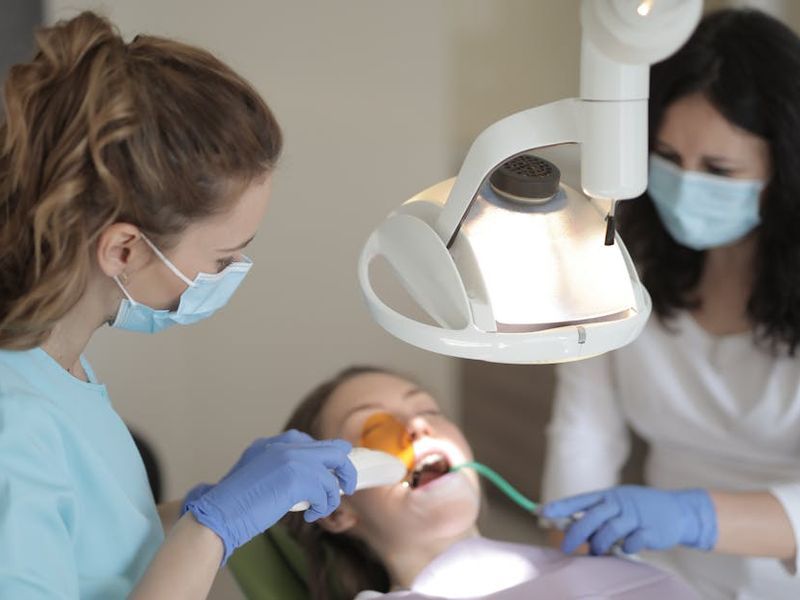
Cuenca’s dental professionals are often graduates of top Ecuadorian universities and many pursue advanced training or certifications abroad. Clinics here frequently use cutting-edge technology familiar to U.S. and European practices: 3D CBCT imaging, digital impressions, intraoral scanners, CAD/CAM milling, guided implant surgery, and modern sterilization protocols.
It’s common to see clinics that specialize in implantology and prosthodontics, with staff who speak English and provide one-on-one patient care. Clinics often publish before-and-after photos, case studies, and implant brand information—look for internationally recognized implant systems such as Nobel, Straumann, or equivalent brands commonly used worldwide.
Short Wait Times and Personalized Care
One of the biggest advantages for dental tourists is speed. In many U.S. practices you can wait months for an oral surgeon or prosthodontist appointment; in Cuenca, it’s normal to get a consultation, imaging, and a surgical schedule within days. Clinics generally offer personalized attention—longer consults, direct communication with your dentist (not just an assistant), and flexible scheduling that accommodates travelers.
Turn Recovery into a Vacation: Cuenca as a Healing Environment
Cuenca is ideal for recovery. Its spring-like climate, pedestrian-friendly historic center, and calm parks create a soothing backdrop for post-op rest. Compare the sterile recovery rooms of many hospitals to strolling tree-lined promenades along the Tomebamba River or settling in a quiet inn near Parque Calderón.
Light activities speed convalescence, and Cuenca is full of gentle options: slow walks in the UNESCO-listed Old Town, short scenic drives to the Cajas National Park for easy hikes at high altitude, artisan shopping in Chordeleg and Gualaceo, and relaxed café culture. All this is helpful when you’re advised to rest and avoid strenuous exertion for several days after implant surgery.
Combine Procedures and Sightseeing: How a Dental Vacation Works
Many travelers use Cuenca to combine dental procedures with sightseeing. A common itinerary looks like this:
- Day 1: Arrival, light sightseeing, acclimatization (Cuenca sits at about 2,560 meters/8,400 feet).
- Day 2: Consultation, digital imaging (CBCT), and treatment planning; receive a written, itemized quote.
- Day 3: Implant surgery or extractions; return to lodging for rest.
- Days 4–7: Rest, short walks, easy local excursions while following post-op instructions.
- 2–3 months later: Return visit for abutment placement and permanent prosthetic, or have final crowns delivered depending on your treatment plan.
Some clinics offer immediate loading (temporary crowns) depending on bone quality and case selection, shortening the time needed for a return trip. This flexibility makes Cuenca attractive for patients who cannot spend extended periods abroad.
Quality Assurance: What to Check Before Booking
To minimize risk and ensure excellent outcomes, follow these practical steps:
- Ask for credentials: university degrees, specialist training, and any international certifications or continuing education.
- Request digital records: CBCT scans, intraoral photos, and a detailed, itemized treatment plan.
- Verify implant brands and warranties. Many clinics will provide written guarantees for prosthetics and reasonable follow-up terms.
- Read patient reviews and ask for before-and-after case photos for similar procedures.
- Confirm sterilization protocols and see the clinic if possible before major procedures.
- Find out about English-speaking staff and coordination of post-op care or telehealth follow-ups once you return home.
Why the Dollar Matters: Practical Perks of Ecuador’s Currency and Accessibility
Ecuador uses the U.S. dollar, which eliminates currency exchange surprises and simplifies budgeting. Flights into Cuenca’s Mariscal Lamar Airport are readily available via Quito or Guayaquil, and the city has a robust expat community offering local knowledge and support. Many clinics offer airport transfers and help with hotel booking, creating an easy, concierge-like experience for international patients.
Real Value: Better Materials and More Comfortable Options for Less
Because of the lower overall cost, you can often upgrade to higher-quality implant systems, ceramic crowns, or premium veneers without breaking the bank. That means choosing durable, aesthetic materials—monolithic zirconia crowns, custom-milled ceramic prosthetics, or screw-retained implant bridges—that might be out of budget at home. The overall value equation in Cuenca is compelling: you receive the same technology and craftsmanship for a fraction of the price.
Safety, Follow-Up Care, and Managing Risks
No medical procedure is risk-free. The best way to mitigate risk is to choose an experienced implantologist, obtain a clear treatment plan, and ensure follow-up care. Many Cuenca clinics provide telehealth check-ins, coordinate with local dentists for maintenance, or offer in-country follow-ups for a fee. If you encounter complications once back home, an itemized operative report and digital images will make it easier for your local dentist to advise you.
Practical Travel Tips for Dental Tourists
- Plan extra buffer days: include at least a few days before and after procedures for rest and possible schedule changes.
- Watch the altitude: Cuenca is high—avoid heavy exertion immediately after sedation; stay hydrated and move slowly the first day.
- Bring medical records: a list of medications, health conditions, and recent dental x-rays helps your Cuenca dentist prepare.
- Travel insurance: confirm whether your policy covers international dental complications or consider a specialized dental tourism policy.
- Medication: ask your clinic to provide post-op prescriptions and obtain them in Cuenca or bring them if allowed by your airline and local regulations.
- Communication: confirm language support in advance and have contact numbers for your clinic and local emergency services.
Comparing Long-Term Costs: Maintenance, Repairs, and Peace of Mind
Consider not only upfront costs but long-term maintenance. High-quality implants and restorations placed with excellent technique will last decades. In Cuenca, you can often afford a superior material choice and a meticulous prosthetic finish that reduces the chance of future repairs. If maintenance is needed later, most general dentists can work with internationally branded implant systems—it’s worth obtaining exact implant model information for future reference.
Success Stories and the Cuenca Advantage
Patients from North America and Europe report transformative results in Cuenca: high-quality implants, natural-looking crowns, and the added benefit of a calm recovery in a culturally rich city. Beyond the numbers, people frequently describe the emotional payoff—affordable, beautiful dental work without the financial stress, coupled with the rejuvenating effects of a vacation in a picturesque Andean city.
Final Checklist Before You Book
- Get a written, itemized treatment plan and timeline.
- Confirm implant brand, materials for crowns/veneers, and any guarantees.
- Verify the dentist’s credentials and request before-and-after photos of similar cases.
- Schedule travel with enough buffer days for recovery and potential follow-ups.
- Arrange accommodations near the clinic and confirm airport transfers if needed.
- Plan for telehealth follow-ups or a local contact for emergency questions once you return home.
Conclusion: Why Cuenca Stands Out for Dental Implants
Cuenca is not just an economical choice—it’s a smart, high-value option for dental implants, crowns, and veneers. The combination of 60–70% cost savings, highly trained dentists, modern clinics with advanced technology, short wait times, and a beautiful recovery environment sets Cuenca apart. For those looking to pair essential dental work with a restorative getaway, this city offers an unbeatable mix of professional care and cultural charm.
With prudent planning—checking credentials, reviewing digital imaging and warranties, and building in time for recovery—your dental procedure in Cuenca can deliver excellent clinical outcomes and a memorable travel experience. It’s dental care, done better and at a fraction of the price, with the bonus of sunshine, riverside strolls, and colonial architecture while you heal.