
Table of Contents
Why Cuenca Is an Attractive Place for Dental Care
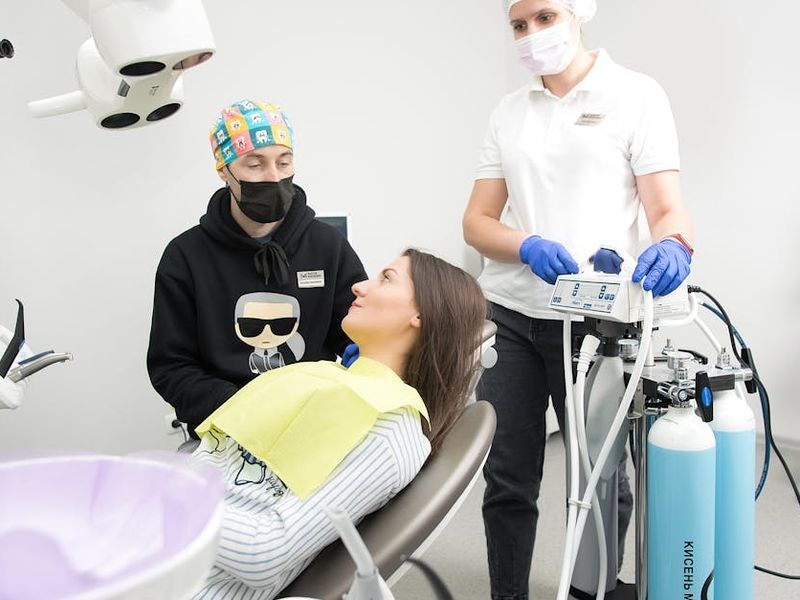
Cuenca, Ecuador, is well known among expats and dental tourists for offering modern dental care at prices lower than in North America and Europe. The city’s historic center, temperate climate and established expat community make it easy to pair dental treatments with a comfortable stay. Over the last decade many clinics in Cuenca have invested in digital imaging, CAD/CAM milling and in-house labs, so complex treatments are often done efficiently and to international standards.
How Clinics in Cuenca Operate: What to Expect
Most dental clinics in Cuenca operate Monday through Saturday, with business hours from around 8:00 a.m. to mid-afternoon or early evening. Expect a mix of Spanish-speaking staff and dentists who speak varying levels of English — particularly in the Centro Histórico and areas frequented by expats near the Tomebamba River and Parque Calderón. Many clinics accept credit cards, cash (USD is Ecuadors currency), and provide formal invoices for insurance reimbursements.
Common Dental Procedures: Overview and Practical Details
Below are the most frequently requested treatments by expats and locals in Cuenca, with descriptions, typical timelines, material notes and ballpark cost ranges. Remember these are estimates — always get a written treatment plan and quote from your dentist.
1. Routine Cleaning and Checkups (Prophylaxis)
Professional cleanings include scaling, polishing and a clinical exam. Many dentists also offer fluoride treatments and oral hygiene coaching. A typical hygiene visit takes 3060 minutes. Cost: roughly $20$60 depending on how thorough the scaling is and if ultrasonic cleaning is used. These visits are essential as they reveal early issues and reduce the need for larger procedures.
2. Fillings (Composite and Amalgam)
Tooth-colored composite fillings are the standard for visible teeth; amalgam is still used in posterior teeth in some clinics. The procedure usually requires a single visit and lasts 30 0 minutes per surface. Costs range from about $30$120 depending on material, size and the dentists level of expertise.
3. Tooth Whitening
Options include in-office whitening (higher concentration gels and light activation) or take-home kits custom-made with trays. Expect 12 in-office sessions, or a few weeks with take-home trays. Cost: $100$400. Some clinics combine both approaches. Whitening is cosmetic and results vary based on previous dental work and tooth stains.
4. Crowns and Bridges
Crowns restore broken or heavily filled teeth; bridges replace one or more missing teeth by anchoring to adjacent teeth. Modern materials in Cuenca include porcelain-fused-to-metal (PFM), all-ceramic (E.max), and zirconia. Many clinics offer CAD/CAM crowns with same-week turnaround, while other cases use an external lab and take 12 weeks. Expect prices from $200$700 per crown, and bridges vary depending on the number of units.
5. Root Canal Therapy (Endodontics)
Root canals save infected teeth and usually require 13 visits. Clinics often use rotary tools and digital X-rays; for complex cases a CBCT 3D scan may be recommended. Cost ranges from $150$500 depending on the tooth (front teeth cost less than molars) and whether a specialist performs the treatment.
6. Tooth Extractions and Oral Surgery
Simple extractions are quick outpatient procedures. Wisdom teeth or surgically impacted teeth may require referral to an oral surgeon and local or IV sedation. Extractions typically cost $30$200; surgical procedures are more. Ask about sedation options and whether post-op antibiotics and pain meds are included in the quote.
7. Dental Implants
Implants are a major reason many expats choose Cuenca for dental work. An implant replaces a tooth root with a titanium or zirconia post, followed by an abutment and crown. Treatment is staged: placement (surgery), healing (36 months), then restoration (crown). There are options for immediate loading depending on clinical circumstances. Typical implant body costs range roughly from $700$1,800 with the final crown adding $200$700; full-arch implant solutions cost more. Many clinics perform bone grafting or sinus lifts when needed — these are additional procedures and cost extra.
8. Veneers and Cosmetic Restorations
Porcelain veneers and composite bonding are popular for smile makeovers. Porcelain veneers cost more but last longer and resist stains. Clinics offering smile design usually provide digital mock-ups so you can preview the expected results. Prices for porcelain veneers often range from $200$600 per tooth depending on the material and lab.
9. Dentures and Removable Prosthetics
Whether partial or complete, dentures are commonly requested by older patients or those replacing multiple teeth. Options include conventional acrylic dentures, metal-acrylic hybrids, and implant-supported overdentures. Costs range widely: a basic full denture may be $200$600, while more advanced implant-retained overdentures will cost considerably more.
10. Orthodontics (Braces and Aligners)
Traditional braces are widely available and often cheaper than in the U.S. Clear aligner therapies (including Invisalign-like products) are also offered by many clinics. Costs depend on complexity — expect $1,000$4,000 as a rough range, with shorter treatment times for minor crowding.
Materials, Technology and Quality Control
Modern clinics in Cuenca often use digital X-rays, intraoral scanners, and sometimes CBCT (cone-beam computed tomography) for implant planning. Ask whether the clinic runs an in-house laboratory or works with a local lab — working with an on-site lab speeds up turnaround and improves communication about shade matching and adjustments. Ask about warranties for crowns and implants; reputable clinics will often offer a limited-year guarantee with required maintenance visits.
How to Choose the Right Dentist in Cuenca
Choosing a dentist is a mix of credentials, communication and comfort. Here is a quick checklist to guide you:
- Verify professional credentials and ask about postgraduate training or specialties.
- Look for before-and-after photos and patient testimonials, especially from expats.
- Ask if they provide a written treatment plan with timelines and detailed costs.
- Confirm language support — can the dentist or staff communicate clearly in English?
- Check the clinics infection control protocols and whether they use disposable or sterilized instruments.
- Ask where the lab work is done and whether digital impressions are available.
- Request a follow-up schedule and ask about emergency contact procedures.
Booking, Payments and Insurance Reimbursement
When planning dental work in Cuenca, always get a written treatment plan and itemized invoice. Ecuador uses the US dollar, so price transparency is straightforward. Many clinics accept major credit cards and cash, but some give a better rate for cash payments. If you plan to claim costs with foreign insurance, ask for invoices with the dentist’s license number, procedure codes and materials listed. A credit-card charge dispute may be more complicated from abroad, so choose a clinic with good reviews and a clear refund policy.
Timing Your Trip: How Long to Stay
For minor work (cleanings, fillings, whitening), a long weekend or 34 day stay is usually enough. Crowns, bridges and veneers may require 12 weeks if the lab is local or external. Implants and major restorative cases need staged visits: initial surgery, healing time (36 months usually), and restoration appointments. Many expats plan to be in Cuenca for 26 weeks for larger cases or coordinate travel between steps if their dentist allows. Booking a consultation first helps you plot the schedule accurately.
Aftercare, Follow-Up and Travel Tips
After procedures, follow the dentists instructions closely. For extractions or implant surgery: avoid heavy lifting, smoking and alcohol for the recommended period. Ask for a prescription and an English translation if needed, and confirm whether the clinic provides emergency contact after hours. For longer healing phases, maintain routine hygiene visits and consider scheduling them before weekend travel. If youre at high altitude (Cuenca is about 2,560 meters / 8,400 feet), discuss sedation and anesthesia plans with both your dentist and primary physician; altitude can influence oxygenation and recovery for some patients, especially if you have respiratory or cardiovascular conditions.
Safety, Regulations and Patient Rights
Healthcare in Cuenca is regulated, and many dentists are trained at national universities with continuing education abroad. Still, ask for full explanations of risks, alternatives and expected outcomes before consenting to major procedures. If you feel uncertain, seek a second opinion — many clinics offer an initial consultation at low or no cost. Keep copies of all records and images for your files.
Combining Dental Care with Your Cuenca Stay
Cuenca is a walkable city with excellent restaurants, markets, and cultural sites near many dental clinics. Staying near the Centro Histórico or the Tomebamba River puts you close to clinics, pharmacies and accommodation options — handy if you have multiple appointments. Arrange transportation ahead of time: taxis are inexpensive and many clinics will help arrange rides for follow-ups or urgent care.
Final Practical Tips for Expats
- Bring a list of current medications and medical history to your first appointment.
- Ask for written prosthetic shade records and photos, useful if you need future repairs abroad.
- Confirm how many follow-up visits are included with warranties and whether adjustments are charged.
- Verify antibiotic protocols and whether they fit your medical allergy profile.
- Remember to request an itemized receipt with the clinicians credentials for insurance claims.
Conclusion: Smart Planning Gets the Best Results
Cuenca offers experienced dentists, modern equipment and reasonable prices, making it an appealing option for routine care and complex restorative work. With clear communication, a written treatment plan and sensible logistical planning — including time for healing and follow-up — expats can get high-quality dental care while enjoying life in one of Ecuadors most charming cities. Always verify clinic credentials, read patient reviews and prioritize clinics that provide transparent, written estimates and good post-treatment support.