
Table of Contents
Introduction: Dental Tourism Meets Vacation in Cuenca
If you’ve been postponing major dental work because of cost, wait times or the hassle of multiple appointments, consider a dental vacation to Cuenca, Ecuador. Cuenca combines dramatically lower prices—often 60–70% less than U.S. and Canadian fees—with highly trained dentists, modern clinics, and a recovery-friendly environment that turns necessary dental care into a restorative getaway.
Why Cuenca? The Big Advantages for Dental Implants, Crowns and Veneers
Cuenca’s appeal for dental tourists comes from a rare blend of clinical quality and lifestyle benefits. Here are the central reasons patients from North America make Cuenca their top choice:
- Massive cost savings—commonly 60–70% compared to the U.S. and Canada for implants, crowns and veneers.
- Clinics staffed by dentists trained at top universities and often with postgraduate or international training.
- Modern dental technology: CBCT scanners, digital x-rays, CAD/CAM milling, 3D printing and implant systems from well-known international manufacturers.
- Shorter wait times—most clinics can schedule consultations and treatments in days or weeks instead of months.
- Personalized, one-on-one care with attentive staff and English-speaking coordinators at many practices.
- The beauty and calm of Cuenca’s historic center—ideal for comfortable recovery and light activity between appointments.
How Much Can You Really Save?
Numbers make the case. Typical price comparisons show substantial differences that make travel worth the effort:
- Dental implants: In the U.S. a single implant with abutment and crown can cost $3,000–$6,000 or more. In Cuenca, equivalent quality implants commonly range from $900–$2,000—savings around 60–70%.
- Crowns: U.S. prices often average $1,000–$1,800 per crown. In Cuenca you can find well-made ceramic or zirconia crowns for $200–$500.
- Veneers: Porcelain veneers in North America typically run $900–$2,500 each. In Cuenca, high-quality veneers often cost $250–$600 each.
These examples are approximate—final costs depend on case complexity, materials and lab work—but the consistent pattern remains: the total package in Cuenca (treatment, travel, hotel) often ends up far less than the single-procedure price back home.
Clinical Quality: World-Class Training and Technology
One common misconception about dental tourism is that low prices mean low quality. In Cuenca the opposite is often true. Many dentists have degrees from top Ecuadorian universities and additional specialization or continuing education from institutions in Europe, the U.S., and other Latin American countries. Clinics frequently invest in modern equipment, including:
- CBCT 3D imaging for precise implant planning
- Digital intraoral scanners and CAD/CAM systems for same-day crowns
- Modern sterilization and infection-control protocols that meet international standards
- High-quality implant systems and prosthetic components from reputable manufacturers
Before booking, ask clinics for credentials, photos of prior work, and details about the implant systems and labs they use. Many clinics will share case studies and walk you through the workflow from imaging to final restoration.
How the Dental Vacation Timeline Usually Works
Understanding logistics turns anxiety into confidence. Here’s a typical treatment timeline for common procedures:
Consultation and Treatment Planning
Many clinics offer online consultations. You send photos and previous x-rays, and the dentist provides a preliminary plan and cost estimate. Once you arrive in Cuenca, a face-to-face assessment and CBCT scan finalize the plan.
Implants
Standard implant placement requires a surgery visit followed by a healing period of 3–4 months for osseointegration. Some clinics offer immediate loading (a temporary crown the same day), reducing the number of visits. For a single implant expect to stay 7–10 days if staged, or 3–5 days if everything can be completed quickly with immediate prosthetics and a planned follow-up.
Crowns and Veneers
With CAD/CAM systems and local labs, crowns and veneers can often be completed in 2–5 days: prep and impressions (or digital scans), temporary restorations, then final placement once the lab completes the work. Same-day crowns are possible in many clinics with in-office milling.
Recovery: Why Cuenca Is a Comfortable Place to Heal
Recovery after dental surgery is about comfort and low stress—two things Cuenca provides in abundance. The city’s “spring-like” climate (mild days and cool nights) reduces swelling and discomfort. The city sits at about 2,560 meters (8,400 feet), so allow 24–48 hours to acclimatize if you’re coming from sea level—most patients feel fine after that brief period.
Cuenca’s walkable historic center, attractive parks and calm cafés are perfect for gentle activity during recovery. Nearby thermal baths and nature reserves offer tranquil day trips once you’re ready. Hotels and short-term rentals commonly understand dental tourists’ needs—early check-ins, quiet rooms and kitchenettes for soft foods.
Combining Treatment with Tourism: What to Do Between Appointments
Cuenca is a UNESCO World Heritage city with cobblestone streets, colonial architecture and a lively arts scene. Here are compatible activities for a dental vacation:
- Stroll the Parque Calderón and admire the New Cathedral’s blue domes (light, restorative walking).
- Visit local museums like the Museum of Modern Art for a calm cultural afternoon.
- Explore artisanal markets (like the leather and Panama hat shops) where you can browse at a leisurely pace.
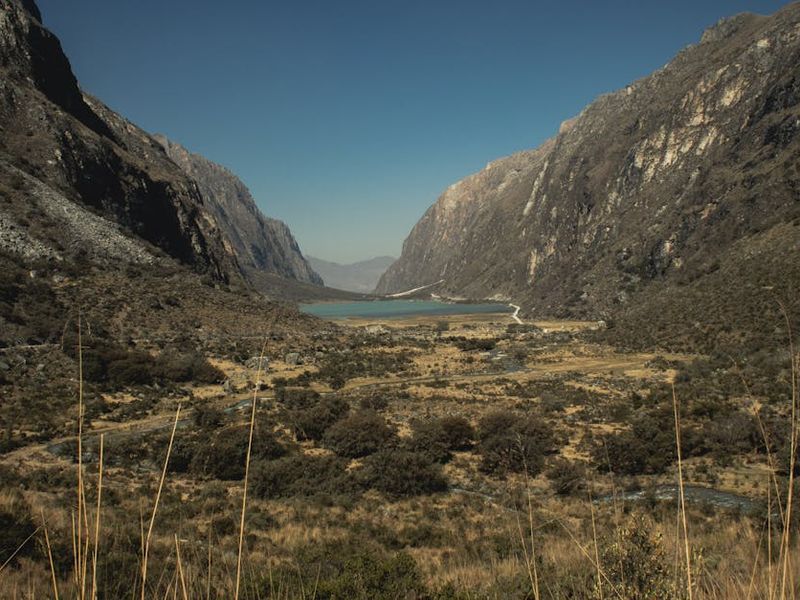
- Short excursions to El Cajas National Park for gentle scenic drives and photo stops—avoid rigorous hiking right after surgery.
- Relax in nearby hot springs once your dentist clears you—perfect for stress relief and circulation.
Cuenca’s gastronomy includes many soft and nutritious options—fresh soups, scrambled eggs, pureed vegetables and local fruits that help during dental recovery.
Practical Planning: Flights, Accommodation and Local Transport
Logistics are straightforward. Ecuador uses the U.S. dollar, which simplifies budgeting. The nearest airport is Mariscal Lamar (CUE) with domestic flights; many international travelers connect through Quito (UIO) or Guayaquil (GYE) and take a short domestic flight or a scenic 3–4 hour bus or private transfer to Cuenca.
Booking tips:
- Choose accommodation near the historic center to minimize transfers and walking distances to clinics.
- Many clinics provide airport pickup and local transport—confirm this when booking.
- Bring any necessary dental records and a list of medications. Many clinics request recent x-rays or an intraoral scan pre-visit.
- Verify payment options—most clinics accept credit cards, cash (USD) or bank transfers. Ask about deposits and refund policies.
Safety, Regulation and Choosing the Right Clinic
Cuenca is widely regarded as one of Ecuador’s safest cities for visitors, with a large, welcoming expat community and well-established medical and dental services. To protect yourself and ensure a great outcome:
- Check online reviews and ask for before-and-after photos of similar cases.
- Request information about the dentist’s training, certifications and affiliation with professional associations.
- Ask which implant brands and laboratory partners the clinic uses. Reputable practices use recognized international systems and high-quality dental labs.
- Confirm sterilization protocols and ask to view clinical areas if you visit in person before treatment.
Many clinics offer formal guarantees or warranties on their restorative work—get these terms in writing and clarify follow-up arrangements if an issue arises after you return home.
Communication and Aftercare: Personalized One-on-One Attention
One of Cuenca’s strongest selling points is the personalized care patients receive. Many clinics assign an English-speaking coordinator who guides you through appointments, local logistics, and aftercare. Appointments tend to be less rushed than in high-volume North American offices, giving dentists time for detailed explanations and custom prosthetics.
Aftercare typically includes written instructions, prescriptions for antibiotics and pain control, and scheduled follow-ups. If any issues arise post-travel, many dentists will consult remotely and coordinate with a local dentist in your home country if needed.
Insurance, Warranties and Follow-Up Visits
Dental insurance rarely covers major procedures abroad, so plan finances accordingly. Consider travel insurance that includes medical evacuation (rarely needed, but useful) and dental tourism-specific plans that may cover complications. Ask the clinic about warranties on implants and prosthetics—many clinics offer one- to five-year guarantees depending on the service.
Plan a follow-up strategy: a short return visit to Cuenca for complex cases, or a local dentist in your home country for routine checks. Request a complete treatment report, digital scans and photos to bring to future providers.
Real-World Examples: Typical Itineraries
Example 1 — Single Implant with Temporary Crown (Best for quick trips): Arrive Day 1, consult and CBCT Day 2, implant placement Day 3, rest and light touring Days 4–6, temporary crown placed if immediate loading is possible; return home with a plan for final crown placement at 3–4 months.
Example 2 — Full-Mouth Veneers/Crowns (Best for a longer restorative vacation): Arrive Day 1–2 for consult and scans, prep and provisional restorations Days 3–5, lab fabrication Days 6–10 (or same-day if clinic uses in-office CAD/CAM), final placement Day 11–12, relax and explore Cuenca before flying home.
Final Checklist Before You Book
- Get at least two online consultations and compare treatment plans and pricing.
- Check credentials, implant systems and lab partners; ask for patient references.
- Confirm timelines and required length of stay for each phase of treatment.
- Arrange travel insurance and understand the clinic’s warranty and follow-up policies.
- Plan your recovery activities and accommodations—Cuenca’s calm ambiance supports healing.
Conclusion: Exceptional Value Without Compromise
Dental tourism in Cuenca gives you something many patients thought impossible: world-class dental care without the world-class price tag. With savings commonly in the 60–70% range, modern clinics staffed by highly trained professionals, and a charming, low-stress city built for recovery and exploration, Cuenca is uniquely positioned to be the best place on Earth for dental implants, crowns and veneers. Whether you’re looking to replace a failing tooth with an implant, restore a smile with crowns, or transform your smile with veneers, Cuenca’s combination of clinical excellence and vacation-worthy surroundings makes it an outstanding, practical choice.
Start with a few online consultations, compare plans and prices, and you may find that the best dental care—and an unforgettable recovery vacation—awaits in the heart of Ecuador’s most beautiful colonial city.