
Table of Contents
Why Cuenca Is Becoming a Top Spot for Dental Implants
Cuenca, Ecuador, has quietly built a reputation as a friendly, affordable city for healthcare — and dental implants are no exception. With a growing number of well-equipped clinics, many with bilingual staff and international-standard technology, expats and locals alike are choosing Cuenca for implant treatment. The city’s manageable pace, pleasant climate, and supportive expat community make recovery easier, while prices often come in well below U.S. and Canadian rates.
What Makes Dental Implants Worth the Investment?
Dental implants replace missing teeth by anchoring a titanium post into the jawbone, then attaching a crown, bridge, or denture. Unlike removable dentures or bridges, implants restore chewing power, preserve bone volume, prevent adjacent teeth from shifting, and look natural. For many people, the benefits extend beyond oral health: improved nutrition, greater confidence when speaking or smiling, and long-term cost-savings when compared with repeatedly repairing other prosthetics.
Health and Functional Benefits
Implants preserve the jawbone by transmitting chewing forces to the bone, which helps reduce the bone resorption that happens with tooth loss. This effect can maintain facial structure and reduce the ‘sunken’ look that sometimes accompanies long-term tooth loss. Functionally, implants allow you to eat a broader range of foods — crunchy vegetables, steak, or nuts — which supports better nutrition and digestion.
Psychological and Social Benefits
Many patients report a significant boost in self-esteem after implant treatment. Speech becomes clearer (no more loose denture slippage), and smiling and laughing feel more natural. For people who are socially active in Cuenca’s cafes, markets, and cultural events, implants can make daily life more comfortable and confident.
Cost Considerations: Why Cuenca Often Saves You Money
While exact pricing depends on materials, complexity, and whether you need bone grafting or sinus lifts, implants in Cuenca commonly cost significantly less than in North America or Europe. Lower overhead, favorable exchange rates, and a competitive private healthcare market contribute to savings. Many clinics serve international patients and publish package pricing that includes diagnostics, implant components, and follow-up visits.
What Influences Price?
- Type and brand of implant (international brands generally cost more).
- Need for bone grafts or sinus lift procedures.
- Number of implants and whether you’re getting full-arch restorations like All-on-4.
- Sedation or general anesthesia versus local anesthesia.
- Prosthetic materials for crowns or bridges (porcelain, zirconia, etc.).
Before committing, always get a detailed quote that breaks down each component of the treatment and asks about guarantees or warranties. Many Cuenca clinics provide written treatment plans and follow-up schedules.
Quality of Care in Cuenca: What to Look For
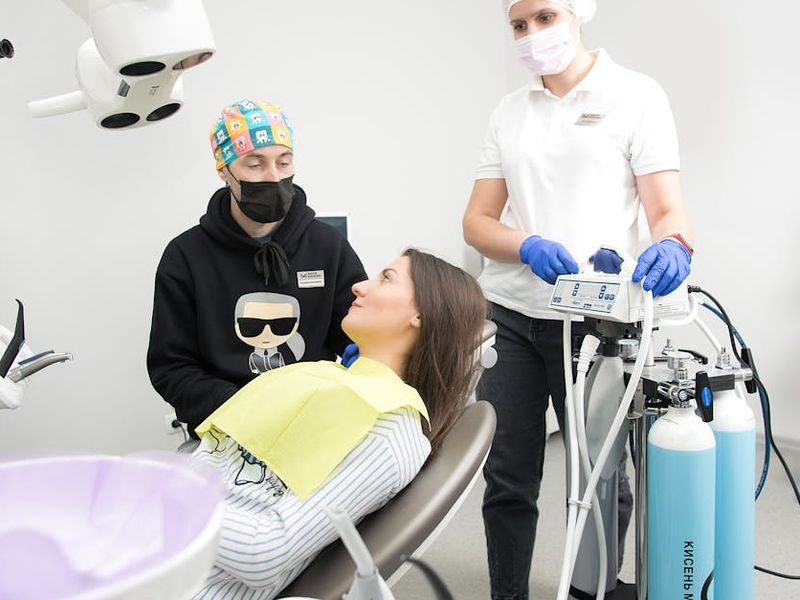
Cuenca’s best clinics combine modern equipment — like 3D cone beam CT (CBCT), digital intraoral scanners, and CAD/CAM labs — with experienced implantologists. However, standards vary, so it’s important to vet clinics carefully.
Practical Vetting Checklist
- Verify dental licenses and specializations. In Ecuador, dentists are registered with the provincial dental association (for Azuay province, check with the Colegio de Odontólogos de Azuay) and often list postgraduate credentials in implantology or oral surgery.
- Ask which implant brands they use. Reputable brands and traceable components are important for long-term success and future maintenance.
- Request before-and-after photos of actual patients and, if possible, references or testimonials — especially from other expats.
- Confirm that the clinic has CT/CBCT imaging on-site or a reliable referral partner. Accurate imaging is crucial for planning implant placement.
- Check infection-control protocols, sterilization methods, and whether they use dedicated surgical suites for implant surgeries.
Implant Types and Typical Treatment Timelines
Understanding the timeline helps you plan your stay in Cuenca. Some patients complete treatment in one extended visit; others prefer multiple shorter trips.
Common Implant Pathways
- Single-tooth implant: Consultation → implant placement → healing (3–6 months) → abutment and crown placement.
- Multiple implants or bridges: Similar timeline but may require staged placements depending on bone availability.
- Immediate-load implants (same-day crowns) or All-on-4: Possible when bone quality and occlusion allow; often require more expensive components and more demanding surgical skill.
- Bone grafting / sinus lift: Adds 3–6 months of healing time before implant placement.
Many patients schedule the initial diagnostic visit in Cuenca, return home for healing, and then go back for the prosthetic phase. Alternatively, if you plan to stay long-term in Ecuador or are an expat resident, the full course may be completed locally.
Practical Tips for Expats and Dental Tourists in Cuenca
Cuenca is well set up for international visitors, but a few thoughtful preparations make the process smoother.
Before Your Trip
- Gather dental records and digital x-rays from your home dentist and email them to your Cuenca clinic before arrival. This speeds up initial consultations.
- Ask for an itemized quote and a proposed timeline. Confirm which parts are included — implants, abutments, crowns, sedation, follow-ups.
- Check passport, visa, and local residency requirements if you plan to stay longer for treatment.
- Research accommodations near the clinic. Staying in El Centro Histórico or a nearby neighborhood like San Sebastián can ease logistics if you have several visits.
During Your Stay
- Bring a list of medications and any health conditions (e.g., diabetes, heart conditions) — these affect antibiotics and bleeding risk management.
- Arrange light activities and rest for at least 48–72 hours after implant surgery. Cuenca’s many parks and cafes make gentle recovery pleasant.
- Use local pharmacies for over-the-counter needs. Many carry standard pain and anti-inflammatory medications, but confirm with your clinic which prescriptions you should take.
Aftercare: Helping Your Implants Thrive
Proper aftercare is as important as surgical skill. Follow-up visits ensure osseointegration (the process where the bone fuses to the implant) and allow the dentist to manage any early issues.
Home Care and Lifestyle Factors
- Maintain excellent oral hygiene: brush twice daily with a soft brush and use floss or interdental brushes as recommended.
- Avoid smoking — tobacco significantly increases implant failure risk.
- Control chronic conditions such as diabetes; well-managed blood sugar supports better healing.
- Follow dietary guidance: soft foods for the first few days or weeks, progressing as comfort allows.
Cuenca’s mild climate and access to fresh produce make following a healthy post-op diet easier. Local markets like Mercado 10 de Agosto and supermarkets such as Supermaxi are convenient for buying soft, nutrient-dense foods during recovery.
Risks, Complications, and How Cuenca Dentists Manage Them
All surgeries carry risks, and implants are no different. Infection, implant failure, nerve injury, or sinus complications (for upper molars) are possible but uncommon when care is provided by experienced clinicians who follow proper diagnostic protocols.
How to Minimize Risk
- Insist on diagnostic CBCT imaging for complex cases — it reveals bone quantity and nerve/sinus locations.
- Confirm sterile technique and antibiotic protocols; many clinics provide prophylactic antibiotics for high-risk cases.
- Choose clinicians who work with local hospitals if you have significant medical history or require sedation.
- Keep scheduled follow-up appointments; early detection of signs like persistent swelling or pain helps prevent more serious problems.
Financing and Insurance Options
Even at lower prices, implant care can be a substantial expense. Cuenca clinics often accept major credit cards, bank transfers, and cash. Some also offer payment plans for residents or financing options through third-party lenders.
Insurance and Reimbursements
If you have dental insurance from your home country, check whether the policy covers treatment abroad and what documentation your insurer requires. Many expats who are permanent residents in Ecuador use local health plans for general care, but dental implant coverage is typically limited. Always request a detailed invoice and clinical report if you plan to seek reimbursement from an international insurer.
Choosing the Right Clinic: Questions to Ask
When comparing clinics in Cuenca, a few pointed questions help you judge professionalism and fit:
- Which implant systems do you use, and why?
- Can you provide a written treatment plan with timelines and costs?
- Do you offer sedation? If so, who administers and monitors it?
- What is your complication protocol, and is there a guarantee on the work?
- Do you have an on-site lab or a trusted dental lab partner for crowns?
- Can you share patient references, especially from other expats?
Real-Life Example: How an Expat Planned Treatment in Cuenca
Consider a typical scenario: an expat from the U.S. needed three implants to replace molars. They emailed dental records to two Cuenca clinics and received competitive, itemized quotes. One clinic recommended CBCT imaging (done during the first visit), one-stage implant placement, and temporary crowns while the implants healed. The patient stayed three weeks for surgery and initial follow-ups, then returned home and completed the final crowns at the six-month mark after local x-rays confirmed full osseointegration. The total cost was a fraction of the U.S. estimate, and the patient appreciated the clear communication and bilingual staff.
Final Thoughts: Is Getting Implants in Cuenca Right for You?
If you’re weighing dental implants, Cuenca offers a compelling combination of quality, cost-effectiveness, and a comfortable setting for recovery. The city’s clinics can deliver advanced implant care when you do your homework: verify credentials, demand modern diagnostics, get a clear treatment plan, and prepare for aftercare. Whether you’re an expat calling Cuenca home or a visitor planning treatment, understanding the process and local practicalities will help you turn the investment into a strong, lasting smile.
Quick Checklist Before Booking
- Obtain dental records and send them to prospective clinics.
- Confirm implant brands, imaging availability, and sterility protocols.
- Compare detailed written treatment plans and warranties.
- Plan your travel and recovery time in Cuenca; arrange lodging near the clinic if possible.
- Keep lines of communication open for post-op questions — many clinics provide WhatsApp or phone support.
With the right preparation, dental implants in Cuenca can be a safe, cost-effective pathway to restoring oral function and confidence. The city’s blend of modern dentistry and supportive local amenities makes it an attractive option for anyone considering this long-term investment in their health and quality of life.