
Table of Contents
Introduction: Not Just a Bright Smile
Regular dental checkups are more than a cosmetic routine — they are essential for preventing pain, preserving teeth, and maintaining overall health. For people living in or moving to Cuenca, Ecuador, understanding when and why to see a dentist helps you avoid emergencies, save money, and get comfortable with local dental services. This guide explains the timing of visits, what happens during exams, unique local considerations, and practical steps to choose the right clinic in Cuenca.
How Often Should You See the Dentist?
The classic recommendation is a dental visit every six months. That frequency works for many people because it keeps plaque and tartar under control and allows early detection of cavities and gum disease. However, frequency should be personalized:
- Every 3 months: People with active gum disease, heavy tartar buildup, or high cavity risk (e.g., dry mouth, diabetes) need shorter intervals.
- Every 6 months: Most adults and children with stable oral health benefit from biannual cleanings and checkups.
- Every 12 months: Low-risk patients with excellent oral hygiene and no dental history may be able to extend to annual visits, but this should be decided with your dentist.
When you first see a new dentist in Cuenca, expect them to recommend a follow-up interval based on a full assessment that includes x-rays and gum charting.
What Happens During a Checkup?
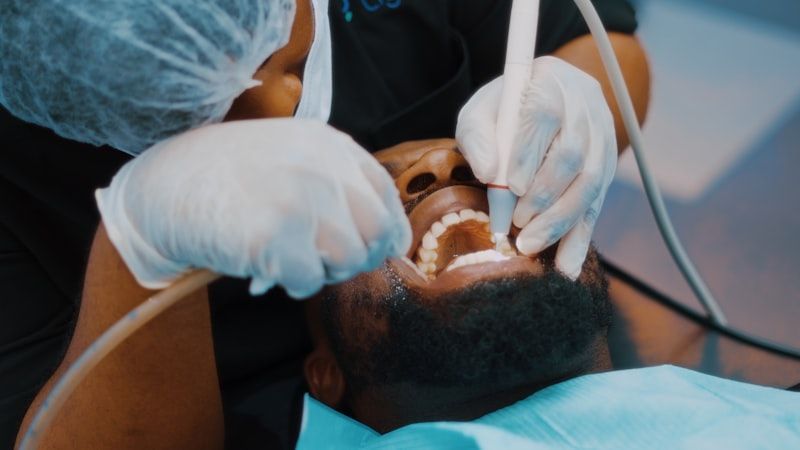
A typical checkup combines examination, cleaning, and preventive advice. In Cuenca clinics you will likely experience the following steps:
- Medical history update and discussion of any concerns (sensitivity, bleeding, pain).
- Oral exam: teeth, gums, tongue, bite, and soft tissues are inspected for decay, gum disease, and signs of oral cancer.
- X-rays or digital imaging if needed — many private clinics in Cuenca use digital radiography that minimizes exposure and speeds diagnosis.
- Professional cleaning (prophylaxis): scaling to remove plaque and tartar, followed by polishing.
- Fluoride treatment or sealant recommendations for children where appropriate.
- Personalized recommendations on brushing, flossing, and whether restorative work is needed.
Ask for clarification on every step. Many expats appreciate clinics that explain findings and show x-rays on a screen so you can see what they see.
Why Regular Checkups Prevent Big Problems
Skipping visits often leads to progression of small issues into big, expensive ones. Here are key reasons checkups matter:
- Early detection of cavities prevents pulpal infections and root canals.
- Gum disease is reversible in early stages; left untreated it can cause loose teeth and bone loss.
- Unnoticed infections can spread, causing systemic problems — research links periodontal disease with cardiovascular disease and diabetes complications.
- Regular cleanings control bad breath and remove stains, which helps social confidence — important in a close-knit city like Cuenca.
- Routine monitoring ensures prosthetics (crowns, bridges, dentures) and implants perform well over time.
Practical Tips for Expats: Finding a Dentist in Cuenca
Moving dental care across borders takes planning. Use these tips to find competent, comfortable care in Cuenca:
- Check professional credentials: Dentists in Cuenca are registered with provincial dental associations (Colegio de Odontólogos). Ask the clinic for the dentist’s registration number if you want verification.
- Look for clinics near the Historic Center or El Centro if you prefer English-speaking staff — many expat-focused clinics are located within walking distance of popular neighborhoods.
- Bring your dental records and x-rays when available. If you have complex work, a digital copy speeds diagnosis and treatment planning.
- Read expat forums and local Facebook groups; personal referrals from other expats often point to clinics with English-speaking dentists and transparent pricing.
- Ask about sterilization protocols and whether the clinic uses disposable items or autoclaves. Infection control standards in reputable Cuenca clinics meet international norms, but it pays to ask.
Cost Expectations in Cuenca: What Will You Pay?
One reason many expats consider dentistry in Cuenca attractive is cost. While exact prices vary by clinic, materials, and complexity, the city typically offers substantially lower fees than the United States and Canada. As a rough guide:
- Routine cleaning (prophylaxis): roughly $20–$50
- Filling (amalgam/composite): $30–$100
- Simple extraction: $30–$80
- Crown (porcelain/metal or zirconia): $150–$500 depending on material
- Dental implant (including abutment and crown): $800–$1,800 — clinics vary by implant brand and whether bone grafting is needed
Always request an itemized written estimate that lists materials and whether follow-up visits are included. Some clinics offer package pricing for multi-step work (e.g., implant placement + crown) which can be cost-effective.
Language and Communication: Getting Comfortable
Language is a common concern for non-Spanish speakers. Many dentists in Cuenca speak at least basic English, especially in clinics near expat neighborhoods. If you don’t speak Spanish, take these steps:
- Call ahead and ask if an English-speaking staff member is available — many clinics keep a schedule of bilingual dentists.
- Bring a Spanish-speaking friend or use a translation app for complex discussions. For treatment consent forms, insist on clear explanations and, if necessary, a translated copy.
- Request visual aids: dentists often use images and x-rays to explain procedures, which reduces reliance on language alone.
Special Considerations: Children, Seniors, and Pregnancy
Different life stages call for different dental approaches. Cuenca clinics are generally experienced in handling diverse populations:
- Children: Pediatric dentistry is available, with fluoride application and sealants commonly recommended. Start dental visits when the first tooth erupts or by the first birthday.
- Seniors: Older adults often have multiple restorations, dry mouth from medications, and increased gum disease risk. Regular checkups every 3–6 months are common.
- Pregnancy: Dental care is safe during pregnancy and important, as hormonal changes increase gum disease risk. Routine care and emergency treatment are typically safe; elective x-rays are often delayed unless necessary and are done with shielding.
Emergency Dental Care in Cuenca
Tooth pain or trauma can happen anytime. Know where to go and what to do in Cuenca:
- Many private clinics offer urgent appointments or even after-hours care. Ask your chosen clinic about emergency availability before you need it.
- For severe swelling, fever, or spreading infection, seek immediate care. Local hospitals have maxillofacial services if needed, though most infections are handled by private dentists.
- For temporary pain relief, over-the-counter analgesics are available at pharmacies; follow dosing instructions and contact a dentist promptly.
Common Preventive Treatments Offered Locally
Beyond cleanings and exams, Cuenca clinics offer a range of preventive options:
- Professional fluoride varnish treatments to strengthen enamel.
- Sealants for children and adults at risk of decay on chewing surfaces.
- Periodontal maintenance: deeper cleanings (scaling and root planing) for gum disease and regular maintenance visits afterward.
- Night guards for bruxism (teeth grinding): custom-fitted devices to prevent wear and alleviate jaw pain.
Choosing Materials and Technology: What to Ask
Modern dentistry offers many material choices. When discussing treatment in Cuenca, clarify the following:
- What type of crown material is recommended (porcelain-fused-to-metal, all-ceramic, zirconia) and why.
- The brand of implants and whether the clinic provides long-term warranties or follow-up care.
- Whether they use digital x-rays, intraoral scanners, or 3D CBCT imaging for complex cases — these technologies improve accuracy but may raise costs.
- What bonding agents, composite brands, or local anesthetics they use; reputable clinics will be transparent about materials.
Insurance, Payments, and Financing
Dental coverage in Ecuador varies. Many expats pay out of pocket; some local private insurers offer dental riders, but global health insurance plans differ in dental benefits. Practical tips:
- Ask clinics if they accept international insurance or can provide receipts for reimbursement.
- Request a written treatment plan and cost estimate before starting major work; this helps with budget planning and insurance claims.
- Some clinics offer payment plans or discounts for paying in cash. Compare options and be cautious about large upfront deposits without a clear contract.
Preventive Home Care: What You Should Be Doing Between Visits
Dental visits are only part of the equation. Effective home care keeps dental problems at bay:
- Brush twice daily with fluoride toothpaste for two minutes. Consider an electric toothbrush for more consistent results.
- Clean between teeth daily with floss or interdental brushes — gum disease often starts between teeth.
- Limit sugary snacks and acidic drinks; enjoy Ecuador’s fantastic fruit but rinse with water after acidic fruits and wait 30 minutes before brushing.
- Stay hydrated; dry mouth increases decay risk. If you snore or wake with a dry mouth, discuss causes with your dentist.
- Quit tobacco — smoking greatly increases risk of gum disease, tooth loss, and oral cancer.
Final Checklist Before Your First Visit in Cuenca
Prepare for your appointment to make it efficient and stress-free. Before you go:
- Gather previous dental records, x-rays, and a list of medications.
- Check clinic hours, whether they accept walk-ins, and emergency procedures.
- Confirm language availability and bring a translator if needed.
- Ask for a written estimate for any planned procedures and a clear explanation of sterilization and materials.
- Plan transportation; the Historic Center has many clinics within easy walking distance, but remote neighborhoods may require a taxi.
Conclusion: Regular Care, Local Confidence
Regular dental checkups protect your smile and your overall health. In Cuenca, you can find skilled dentists who offer modern treatments at a fraction of the price in North America, but due diligence pays off. Establish a reliable dentist, personalize your visit frequency, and combine professional care with strong home habits. With a little planning, dental health in Cuenca can be straightforward, affordable, and even pleasant — leaving you free to enjoy the city’s parks, cafes, and vibrant expat community with confidence.
If you are new to Cuenca, reach out to local expat groups for clinic recommendations and always schedule an introductory checkup to build a relationship with your dental team early. Your future self — and your smile — will thank you.