
Table of Contents
Introduction: Dental Tourism Reimagined in Cuenca
If you’re weighing the cost of dental implants, crowns, or veneers in the United States or Canada, Cuenca, Ecuador deserves a spot at the top of your list. This colonial city blends dramatically lower prices with high clinical standards, English-friendly care, and a leisurely environment that’s perfect for recovery. In short: Cuenca isn’t just an affordable dental option—it’s an unbeatable dental vacation destination.
Cost Comparison: Save 60–70% Without Sacrificing Quality
One of the most persuasive reasons patients choose Cuenca is the money saved. Typical single-tooth implant costs in the U.S. and Canada range from about $2,500 to $6,000 when you include the implant fixture, abutment, and crown. In Cuenca, similar procedures often cost 60–70% less—commonly in the $900 to $1,800 range for a complete implant solution. Crowns that might be $800–$2,000 at home can frequently be done for $200–$500 in Cuenca; veneers that cost $1,000–$2,500 per tooth in North America can often be found for $250–$700.
These reductions aren’t just headline prices. When you factor in airfare (often less than a long domestic flight), several nights of comfortable lodging, local transportation, and meals, the total out-of-pocket cost is still far lower than a single major procedure back home. Many patients fund multiple restorations or a full-mouth rehabilitation for what they would otherwise pay for one or two procedures domestically.
Clinical Quality: World-Class Training and International Standards
The narrative that low cost equals poor quality is false in Cuenca. Dentists in the city receive rigorous training locally and often supplement their education with courses, fellowships, or residencies abroad. Many bring certifications from international implant companies, continuing education from the United States, Europe, or Latin America, and participation in global professional organizations. You’ll find specialists in implantology, prosthodontics, endodontics, and oral surgery collaborating in multi-disciplinary clinics to deliver predictable results.
Clinics in Cuenca commonly use proven implant systems from internationally recognized manufacturers. Ask your clinic for details on brands and warranties—reputable practices will provide transparent documentation and treatment plans. Staff often include bilingual coordinators to help international patients understand treatment options and follow-up care.
Modern Clinics and Cutting-Edge Technology
Cuenca’s top dental centers are equipped like urban clinics in developed countries. Expect digital radiography, CBCT 3D imaging, CAD/CAM milling systems (for in-office crowns and same-day restorations), digital impressions, and modern sterilization protocols. Many clinics offer sedation options ranging from oral sedatives to IV sedation administered by anesthesiologists for patients who need extra comfort during lengthy procedures.
What this means for you: faster diagnostics, more accurate implant placement using guided surgery, custom-milled prosthetics produced in local dental labs, and often same-week crown fabrication—great news for patients who want efficient treatment without multiple prolonged trips.
Personalized, One-on-One Patient Care
One common thread among returning dental tourists is the personalized care they receive in Cuenca. Clinics here emphasize direct communication between the patient and the dentist rather than an assembly-line approach. Consultations are thorough, treatment plans are itemized, and post-op care includes follow-up calls, photo documentation, and often in-person check-ins. Many clinics provide English-speaking patient coordinators who manage scheduling, transportation, and accommodation recommendations so you can focus on recovery.
Lower patient volume per dentist often translates to more attentive service and shorter wait times. Instead of months-long waits for an implant consultation or surgery, many international visitors are scheduled within days or weeks—ideal for coordinating a dental vacation.
The Recovery Advantage: A City Built for Healing and Relaxation
Recovery is as important as the procedure itself, and Cuenca’s mild, spring-like climate makes healing comfortable. The city sits at about 2,560 meters (8,400 feet) above sea level, offering cool, dry air and crisp mornings—conditions many patients find restful after oral surgery. Cuenca’s leafy riverside promenades, tranquil plazas, and easy-paced lifestyle are ideal for short walks to encourage circulation without overexertion.
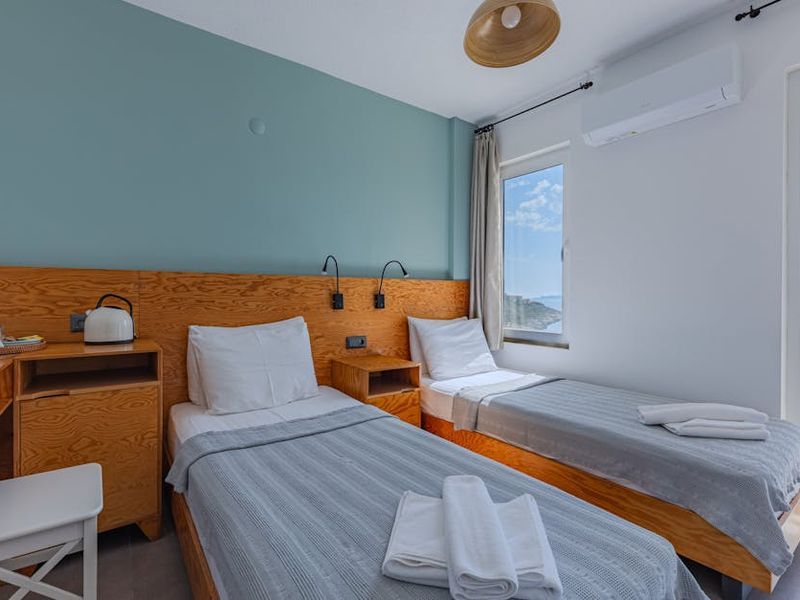
Accommodations geared toward dental tourists range from boutique hotels to furnished apartments close to clinics, many of which offer recovery packages that include airport transfers, light meals, and nearby rest-friendly activities. Local clinics also liaise with hotels to ensure your room setup supports a comfortable recovery (extra pillows, quiet rooms, and refrigeration for medication).
Turn Treatment into a Vacation: Combine Care with Culture and Nature
A major benefit of choosing Cuenca is the ability to combine necessary dental work with a fulfilling vacation. Between appointments you can explore the UNESCO-listed Historic Center, stroll along the Tomebamba River, browse artisan markets at the Mercado 10 de Agosto, or enjoy mild hikes in Cajas National Park. Culinary options range from cozy cafes to riverside restaurants, and inexpensive tours make day trips accessible—perfect for light activity during recovery.
For patients with longer treatment timelines (such as staged implants), Cuenca’s many Spanish schools, cultural workshops, and volunteer opportunities create meaningful ways to spend downtime. The city’s large expat community means plenty of English-language resources, social meetups, and relaxed aftercare support.
Logistics: Flights, Accommodation, and Scheduling Your Visit
Most international travelers fly into Quito or Guayaquil and connect to Cuenca by a short domestic flight (about an hour) or by road—Cuenca is roughly a 3–4 hour drive from Guayaquil and about 8 hours by bus from Quito. Mariscal Lamar Airport (CUE) handles domestic and some regional flights, so plan connections accordingly.
When scheduling, ask your clinic how many visits are required and whether they offer immediate-load implant solutions or require staged healing. Many procedures can be organized into an efficient 7–10 day initial visit for implant placement and temporary prosthetics, followed by a short return visit for final restorations 3–6 months later. Alternatively, clinics offering All-on-4 or other full-arch techniques may complete a functional restoration in a single extended stay.
What to Ask Before You Book: Practical Pre-Visit Checklist
- Request a detailed, itemized treatment plan with brand names for implants and prosthetics.
- Ask about the clinic’s sterilization protocols, imaging capabilities (CBCT), and experience with your specific procedure.
- Confirm whether the dentist has international training or certifications and request before/after photos of similar cases.
- Verify follow-up care arrangements and whether remote check-ins or local follow-ups are included.
- Inquire about accommodation packages, transportation, and translation services.
- Make travel insurance arrangements that cover dental-related procedures and complications.
Success Stories and Real Patient Experiences
Patients consistently report dramatic cost savings and high satisfaction with their outcomes in Cuenca. Many highlight not only the final smile but the entire journey: bespoke consultations, clear communication in English, painless procedures under modern sedation options, and a warm, human approach to care. Patients frequently mention the value of combining light sightseeing and restful afternoons between appointments—turning what would be a stressful medical procedure into a manageable, restorative experience.
Potential Drawbacks — and How to Avoid Them
No destination is perfect for everybody. Some patients are concerned about follow-up care if complications arise after returning home. The best way to minimize risk is to choose clinics that provide a clear warranty on implants and restorations, maintain open lines for remote follow-up, and coordinate with your local dentist for any necessary maintenance. Additionally, confirm whether the implant brands used have international support and whether your local provider can access parts or prosthetic components if needed.
Language barriers can be avoided by choosing clinics with bilingual staff or hiring an independent translator. Also, plan for the altitude—arrive a day or two before your first appointment to acclimatize, drink plenty of water, and avoid heavy exertion on the first day.
Sample Itineraries: Short and Extended Dental Vacation Options
7–10 Day Implant Visit (Initial Placement and Temporary Restoration)
- Day 1: Arrive, rest, meet patient coordinator
- Day 2: Consultation, CBCT imaging, treatment confirmation
- Day 3: Implant placement surgery, light recovery at hotel
- Days 4–6: Follow-ups, temporary prosthetic placement if applicable, gentle sightseeing
- Day 7–10: Final checks, discharge paperwork, departure
2–3 Week Full-Arch/All-on-4 Option (Immediate Load)
- Week 1: Consultations, extractions (if needed), implant placement
- Week 2: Temporary prostheses fitted, adjustments, light recovery activities
- Week 3: Final adjustments, home-care instructions, departure
Final Verdict: Incredible Value, Unbeatable Experience
Cuenca combines cost-efficiency with clinical excellence and a recovery environment few other cities can match. Between 60–70% cost savings, world-class-trained dentists, modern clinics with digital technology, short wait times, personalized care, and the chance to turn dental work into a genuine vacation, Cuenca stands out as one of the best places in the world for dental implants, crowns, and veneers.
If you’re considering dental tourism, start by researching clinics with strong patient testimonials, transparent pricing, and full diagnostic capabilities. Book a consultation, plan a comfortable stay, and prepare to return home with both a restored smile and a memorable travel experience in one of South America’s most charming cities.
Quick Practical Tips Before You Go
- Bring copies of recent dental X-rays or records to speed up diagnosis.
- Allow a buffer of extra days in case of minor adjustments or delays.
- Pack a basic aftercare kit (soft foods, aloe vera gel for comfort, recovery-friendly clothing).
- Verify whether your local dentist can help with long-term maintenance post-return.
- Ask about sedation and pain management so you know what to expect on procedure day.
Choosing Cuenca for dental implants is more than a budget decision—it’s an investment in quality care, time-efficient treatment, and a restorative trip in a city that supports healing. With careful planning, you can save thousands, receive excellent care, and enjoy a peaceful recovery in one of Ecuador’s most beautiful destinations.