
Table of Contents
Why day trip from Cuenca?
Cuenca is a natural hub for exploring southern Ecuador. Nestled in the Andean highlands at 2,560 meters (8,400 ft), the city is surrounded by dramatic páramo, cloud forests, colonial towns and archaeological sites that are easy to reach in a day. Whether you have a car or prefer public transport, the region around Cuenca offers diverse landscapes and cultural experiences that show a very different side of Ecuador than the coastal beaches or Amazon basin.
How to plan: logistics, timing and transport
Start early. Many of the best places — El Cajas lakes, Ingapirca ruins, artisan markets — feel more peaceful in the morning and the weather is usually more cooperative. If you don’t rent a car, Cuenca has a reliable network of buses and colectivos (shared vans) that run to nearby towns; organized day tours are plentiful and can save time if you want a guide and transportation combined.
Approximate travel times from Cuenca:
- El Cajas National Park: 30–45 minutes by car to the park entrance
- Ingapirca ruins: ~1.5 hours by car (75–90 km)
- Gualaceo & Chordeleg (artisan towns): 45–75 minutes
- Girón (colonial town & hiking): ~1 hour
- Turi viewpoint: 10–20 minutes
- Cojitambo (rock fortress): ~45 minutes
- Paute (river valley & viewpoints): ~1–1.5 hours
Essentials to pack
- Layered clothing: temperatures swing quickly at high altitudes
- Rain shell and hat: afternoon showers are common most of the year
- Good walking shoes: many trails are rocky or muddy
- Water, snacks and sunscreen
- Cash for small entrance fees, markets and taxis
1. El Cajas National Park — lakes, páramo and birdwatching
Distance and travel time: ~30–45 minutes from Cuenca.
El Cajas is a dramatic glacial landscape of over 200 lakes and tarns set among rolling páramo and jagged peaks. Hike short circuits from the Visitor Center at Tres Cruces or drive up to higher trailheads for longer treks. The park is famous among birders and trout fishers — you’ll find bright-colored waterfowl and small Andean streams that cut through mossy cushion plants. The air is crisp and the scenery otherworldly.
Practical tips: arrive early to avoid wind and clouds that build in the afternoon. Bring warm layers; even sunny days can turn cold quickly at 3,000+ meters. If you want a guide, local communities around El Cajas offer knowledgeable naturalist guides who can point out endemic plants and birds.
2. Ingapirca — Ecuador’s largest Inca complex
Distance and travel time: ~75–90 km, 1.5–2 hours by car or bus.
Ingapirca is the most important pre-Columbian archaeological site in Ecuador. The complex features a distinctive elliptical Temple of the Sun built with carefully fitted stones — a clear sign of Inca engineering — and surrounding structures that reflect a blend of Cañari and Inca influences. The site sits on a windy ridge with broad valley views, making it a spectacular destination for photographers and history enthusiasts.
Practical tips: the site has a small museum and an informative visitor center; guided tours (available at the entrance) provide context to the architecture and local history. If you’re self-driving, take the Panamericana north and follow signs to Ingapirca near the town of Cañar. Combine this trip with a visit to Cojitambo or a traditional market in the region.
3. Gualaceo and Chordeleg — handcrafted silver and woven textiles
Distance and travel time: ~45–75 minutes from Cuenca.
For an art-and-culture day, head east toward Gualaceo and Chordeleg. Gualaceo is known for textiles and straw-weaving, while nearby Chordeleg is famous for exquisite silver filigree jewelry, from delicate earrings to intricate brooches. Strolling the small streets you’ll find family workshops where artisans produce and repair pieces on-site. This is an excellent place to shop for high-quality souvenirs and to watch traditional techniques passed down through generations.
Practical tips: shops often accept cards but bring cash for smaller stalls. Mornings are best for visiting workshops before they close for midday. If you’re looking for a lunch stop, try local hornado (slow-roasted pork) or mote soups in Gualaceo’s market.
4. Girón — a quiet colonial town with waterfalls and hiking
Distance and travel time: ~1 hour south of Cuenca.
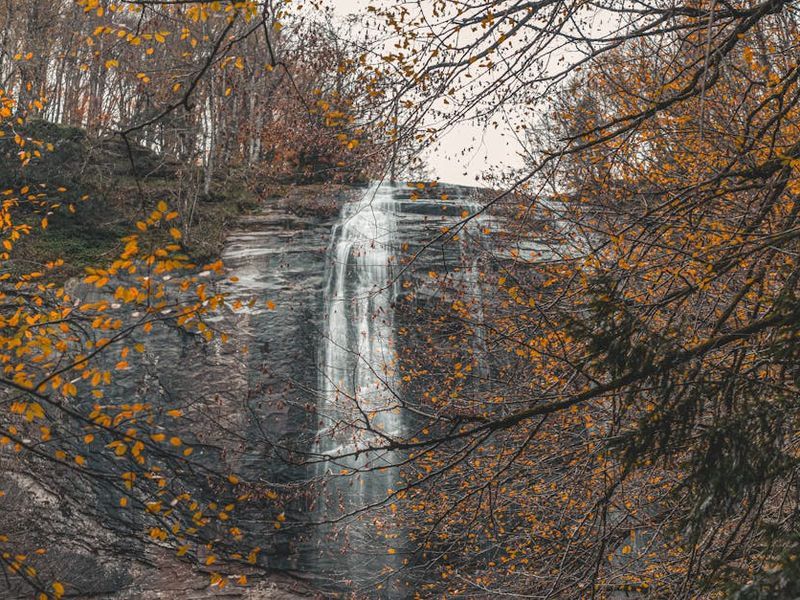
Girón keeps a sleepy colonial charm with cobbled streets, whitewashed churches and a small central plaza. It’s an excellent half- or full-day escape with options for easy hikes to nearby waterfalls and viewpoints. The surrounding valley is lush and offers trails through cloud forest fragments and agricultural terraces. Girón also has small cafés and family-run restaurants where you can enjoy local specialties.
Practical tips: the town is compact and most sites are walkable. Consider hiring a local guide for longer hikes — they can take you to hidden waterfalls and scenic lookouts most tourists miss.
5. Cojitambo & Azogues — rock fortress and regional pulse
Distance and travel time: ~45 minutes from Cuenca.
Cojitambo is an archaeological and natural site near Azogues with exposed rock faces, terraces and a small Inca fortress that once guarded highland routes. The climb to the rock outcrops gives sweeping views of the surrounding valleys. Azogues itself is a working provincial capital where you can see daily life, visit markets and try local street foods. The area is a window into rural life in the southern highlands.
Practical tips: the Cojitambo trail is steep in sections—wear sturdy shoes and take water. If you visit the Azogues market, go early while vendors are still setting up and produce is fresh.
6. Paute and the river valley — viewpoints and energy projects
Distance and travel time: 1–1.5 hours, heading north-east.
The Paute valley is dramatic, carved by rivers and dotted with small towns. The hydroelectric projects in the area have reshaped the landscape and are interesting to see from a development and engineering perspective. The viewpoints along the route give glorious panoramas of the canyon and agricultural terraces. Small roadside stands offer fresh fruit, cheese and empanadas — perfect for a picnic stop.
Practical tips: some viewpoints are best reached by car on rural roads. Respect private farmland and ask before entering small community areas. If you love photography, the valley’s late afternoon light is stunning.
7. Turi viewpoint and the outskirts of Cuenca — a quick, rewarding half-day
Distance and travel time: 10–20 minutes from central Cuenca.
If you only have a morning or afternoon, head to El Turi, a hilltop neighborhood with a famous viewpoint overlooking Cuenca’s red-tiled roofs, cathedral towers and surrounding mountains. There’s a craft market near the mirador and several cafés with panoramic terraces. Combine a Turi visit with a stop at the nearby bell tower or take a short walking route down into the city for a different perspective.
Practical tips: the market sells souvenirs, ponchos and local sweets. For a romantic sunset, arrive an hour before dusk when the city’s lights begin to glow.
8. Cloud forest and birding routes — a wildlife lover’s option
Distance and travel time: 1–2 hours depending on the lodge or reserve.
While Cuenca is at high elevation, short drives lead to cloud forest corridors and private reserves down into lower valleys where biodiversity explodes. These areas are excellent for bird watching, hummingbird feeders and night walks to see frogs and insects. Many lodges offer day passes for birders who want to experience the cloud forest canopy without an overnight stay.
Practical tips: bring binoculars and a field guide or hire a local naturalist. Expect humid conditions and mosquito protection — a light long-sleeve shirt helps at dawn and dusk.
Combining trips: smart itineraries
Because many sites are fairly close, you can combine several into one full day. Here are sample itineraries:
- Culture and crafts: Chordeleg in the morning for silverwork, then Gualaceo for textiles and lunch at a local market.
- Nature and ruins: Early departure to El Cajas for a short hike, then head north to Ingapirca in the afternoon.
- Short & local: Turi viewpoint for sunrise, then Girón or Cojitambo for a relaxed afternoon.
Safety, etiquette and local customs
The region is generally safe for travelers, but use common sense: keep valuables out of sight, avoid poorly lit streets at night, and ask permission before photographing people, particularly in small indigenous communities. Bargaining is common in artisan markets—offer a fair price and remember that some crafts are a family’s livelihood. Respect signs and fenced-off ruins: archaeological sites are protected.
When to go: seasons and what to expect
Cuenca and the surrounding highlands enjoy mild weather year-round, but there are seasonal differences. The drier season (June–September) tends to have more stable skies, making it ideal for hiking and photography. The rainy season (October–May) brings frequent afternoon showers and dramatic cloudscapes but also lush greenery and fewer tourists. For birding and waterfalls, the rainy season can be spectacular, while for trekking and panoramic views, opt for dry-season mornings.
Final tips for a memorable day trip
- Reserve guided visits in advance during high season to guarantee a slot.
- Carry small bills for entry fees, tips and market purchases.
- Allow buffer time for mountain roads — distances can be short but speeds vary.
- Learn a few Spanish phrases—locals appreciate the effort and it often leads to friendlier interactions.
Wrap-up: make Cuenca your base for discovery
Cuenca is more than a beautiful colonial city; it’s a practical launchpad for exploring some of Ecuador’s richest landscapes and cultural treasures. From high-altitude lakes and Inca ruins to artisan villages and cloud forests, the region around Cuenca offers something for every traveler. With a bit of planning and an early start, you can return to the city by dinner full of new experiences, photos and stories to share.
Ready to pick a day trip? Choose one based on your interests — history, nature, crafts or easy vistas — and set aside at least a day (preferably a full one) to soak it up. The highlands near Cuenca are full of surprises. All you need to do is step outside the city gates.