
Table of Contents
Why Cuenca Dominates Dental Tourism
If you’re thinking about dental implants, crowns or veneers, Cuenca should be at the top of your list. This southern Andean city delivers a rare combination of dramatic cost savings (commonly 60–70% less than U.S. and Canadian prices), highly trained clinicians, cutting-edge clinics, and a peaceful, attractive environment ideal for recovery. Dental tourism is the central reason many visitors now fly into Mariscal La Mar Airport and swap long waits and high bills for speedy appointments and outstanding value.
Big Savings Without Big Compromises
The most compelling reason people choose Cuenca is value. Procedures that carry jaw-dropping bills in North America—single implants, porcelain crowns, full smile makeovers—are offered here for a fraction of the cost. Many patients report savings of 60–70% compared to U.S. and Canadian pricing. That means a high-quality implant or a set of veneers can become an accessible investment instead of a multi-year financial burden.
Those savings don’t come from cutting corners; they come from lower operating and labor costs in Ecuador coupled with an efficient, patient-focused approach. Clinics in Cuenca keep overhead lean and pass those savings on to international patients. You still get premium materials, precise lab work, and experienced dentists—just without the premium price tag.
World-Class Dentists and Education
Cuenca’s dentists are professionally trained at top universities in Ecuador and many continue advanced training abroad in Europe, the United States, and Latin America. Clinical staff often include specialists in implantology, prosthodontics, and cosmetic dentistry with experience in complex restorations and smile design.
Before you book, ask about a dentist’s education, continuing education courses, and before-and-after photos. Most reputable clinics are transparent about credentials, the training their teams receive, and the kinds of cases they handle regularly.
Modern Clinics with Cutting-Edge Technology
Dental clinics in Cuenca are equipped with modern technology: digital 3D cone-beam CT scanners (CBCT), intraoral scanners, CAD/CAM dentistry, sterile surgical suites, and on-site dental labs. These tools enable accurate diagnostics, faster workflows and better-fitting prosthetics—key for predictable outcomes.
Many clinics also adhere to international sterilization standards and offer warranties on restorative work. Ask clinics for a list of the technologies they use, whether restorations are milled on-site, and what brands of implants and materials they use if you prefer certain international systems.
Short Wait Times and Personalized Care
In many North American clinics, waitlists can stretch for months. In Cuenca the turnaround is often measured in days or weeks. Clinics that specialize in dental tourism streamline scheduling for international patients—pre-consultation via video, same-week scans, and rapid fabrication of temporaries or final restorations.
Patients also benefit from personalized, one-on-one attention. Smaller patient loads allow dentists to spend more time designing smiles and explaining options. For many travelers, the difference between feeling like another number and receiving tailored care is priceless.
How a Dental Vacation in Cuenca Actually Works
Planning a dental vacation involves a few straightforward steps. Most patients begin with an online consultation: photos, X-rays, and a video call to review needs and build a treatment plan. Once the plan is accepted, you coordinate travel dates with the clinic.
Typical timelines:
- Single crown or veneer: 4–7 days. Prep, digital impressions, and final seating—often within a week thanks to local labs and CAD/CAM milling.
- Single implant with delayed loading: Initial visit for placement (3–7 days for surgery and immediate follow-ups). Healing is 3–4 months, after which you return for the final crown—many clinics support remote monitoring and schedule the prosthetic phase.
- Immediate-load implants / All-on-4: Surgical placement and a provisional fixed bridge can often be completed in 7–14 days, with final prosthetics delivered later.
Many clinics offer packages that include airport transfer, translation services, medications, and follow-up telemedicine—making the travel experience smoother.
From Airport to Clinic: Practical Arrival Tips
Mariscal La Mar (CUE) is Cuenca’s airport and it’s an easy entry point for dental visitors. Most international travelers connect through Quito or Guayaquil and take a short domestic flight into Cuenca. Many clinics will arrange airport pickups—highly recommended to avoid the hassle of negotiating local taxis on arrival.
When you land, plan for about a 20–30 minute drive to the historic center (times vary by traffic). Bring copies of medical records and recent X-rays—though most clinics will take their own scans on arrival. Because Ecuador uses the U.S. dollar, there are no currency surprises: carry some cash for taxis, tips, or small purchases, but most clinics accept card payments.
The Perfect Recovery Environment
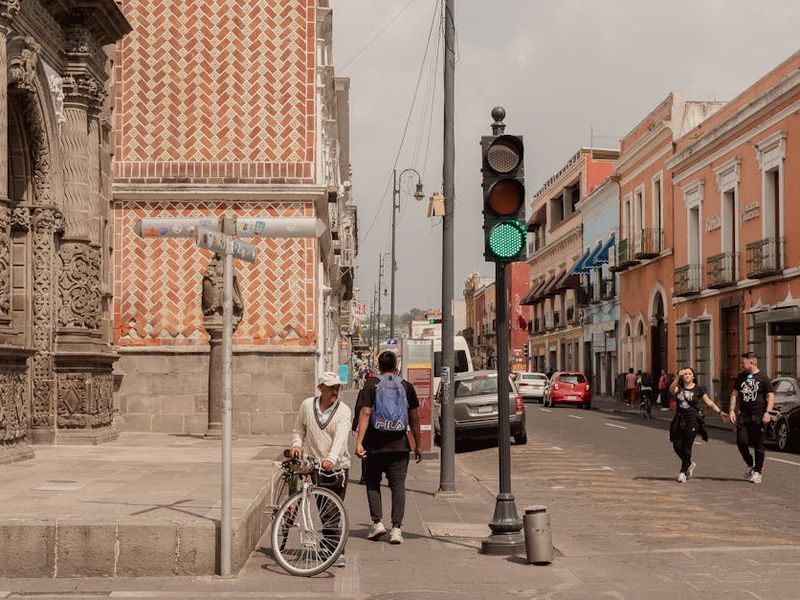
Post-procedure recovery is where Cuenca’s charm really shows. At roughly 2,560 meters (about 8,400 feet) altitude, this city’s cool, spring-like climate and serene parks help you rest and heal. The city is compact and walkable—gentle strolls along the Tomebamba River, sitting in a sunny plaza, or relaxing in a quiet café are restorative activities that won’t endanger a new implant or fresh veneers.
Clinics are experienced in advising sensible aftercare: hydration (altitude affects fluid balance), local soft-food recommendations, and the easiest ways to schedule follow-ups. Many patients appreciate the calm pace, nearby artisan markets, and the ability to combine necessary downtime with light sightseeing.
What to Do During a Dental Vacation
Cuenca offers plenty that pairs well with recovery. Short, low-impact activities include:
- Walking the cobblestone streets of the Historic Center and sitting around Parque Calderón.
- Visiting artisan markets for comfortable shopping and souvenir hunting.
- Relaxing at riverfront cafés along the Tomebamba.
- Light cultural visits to museums like the Pumapungo and local churches.
Avoid strenuous day trips immediately after surgery—Cajas National Park is spectacular but high and brisk; save it for later in your recovery schedule.
Language and Patient Experience
Spanish is the dominant language, but many dental clinics serving international patients staff English-speaking coordinators or provide interpreters. Before you travel, ask if they include an English-speaking point person and whether post-op telemedicine follow-ups will be available in English if needed.
Cuenca’s culture is welcoming, and the city’s healthcare providers are accustomed to international patients. Expect attentive care: clinics tend to provide detailed written aftercare plans, prescription medications, and a local contact number for any urgent concerns.
Material Quality, Labs and Warranties
One of the most common worries patients have is material quality. Reputable Cuenca clinics use internationally recognized implants and dental materials and partner with skilled dental labs—often located in the same building or the same city—which speeds turnaround and quality control. Ask for specifics: brand names, manufacturer warranties, and whether the lab work is done in-house.
Many clinics also offer procedural warranties or guarantees for a period of time—something rare in purely cosmetic or high-cost domestic markets. Read the fine print and ask about follow-up protocols if anything needs adjustment after you return home.
Safety, Insurance, and Legal Considerations
Cuenca is generally considered safe for tourists. Use standard travel precautions: keep valuables secure, avoid poorly lit areas at night, and use clinic-arranged transport when recommended. For peace of mind, confirm the clinic’s emergency procedures and nearby hospital affiliations in advance.
Travel insurance rarely covers elective dental work, so consider a separate medical travel protection policy that covers complications unrelated to the elective procedure. Ask clinics about emergency contact plans, follow-up protocols once you return home, and what to do in case of a complication.
How to Choose the Right Clinic in Cuenca
Choosing a clinic is one of the most important steps. A smart selection process includes:
- Reviewing before-and-after photos and patient testimonials from international patients.
- Confirming the dentist’s education, specialist training, and continuing education.
- Asking about technology (CBCT, intraoral scanners, CAD/CAM) and on-site lab capabilities.
- Verifying what is included in the package: transfers, translation, X-rays, medications, and follow-up visits.
- Checking warranty and post-op telemedicine support.
Transparent clinics will provide a detailed written treatment plan, cost breakdown, and realistic timelines. If anything feels unclear, ask for clarification or consult multiple clinics for second opinions—many will provide free initial consultations online.
Real Value for Implants, Crowns and Veneers
In Cuenca you can often get the same high-end dentistry offered in the U.S. and Canada for far less. That makes life-changing procedures accessible: implants to replace missing teeth, durable crowns, and cosmetic veneers for a refreshed smile—all with quality materials and expert technicians. The incredible overall value comes from lower cost, rapid scheduling, excellent clinical standards, and a recovery setting that helps you heal and enjoy the process.
Sample Dental Vacation Itineraries
Here are practical sample itineraries to help you plan:
- Veneers (4–8 teeth): Day 1: arrival and consult; Day 2: prep and temporary veneers; Days 3–5: final seating. Total: 7–10 days including travel buffer.
- Single implant: Day 1: arrival and consult; Day 2: implant surgery; Days 3–6: follow-up and comfort care before flying home. Return in 3–4 months for final crown (or choose an immediate-load option if available).
- All-on-4 or full-arch immediate load: 10–14 days for surgery and provisional fixed bridge; final prosthesis delivered after a planned healing phase.
These are examples—your clinic will tailor timing to your case and may offer remote follow-up for convenience.
Final Tips for a Successful Dental Vacation
- Book a pre-consultation online: save time and ensure the clinic can meet your needs.
- Arrange clinic pickup from the airport to minimize stress on arrival.
- Bring printed dental records and a list of medications/allergies.
- Plan light activities for the first 48–72 hours after surgery and stay hydrated to combat altitude effects.
- Verify what is included in the price and ask about local follow-ups and telehealth support once you return home.
Conclusion: Why Cuenca Is an Outstanding Choice
Cuenca marries exceptional dental care with affordability and a tranquil travel experience. Whether you need a single implant or a full cosmetic smile makeover, the city’s experienced dentists, modern clinics, rapid scheduling, and beautiful recovery environment make it a leading choice for dental tourism. With common savings of 60–70% and an emphasis on personalized care, Cuenca turns a necessary procedure into a restorative vacation—one that leaves you with a healthier mouth, a brighter smile, and memories of a charming Andean city.
If you’re ready to explore your options, start with an online consultation from a few reputable Cuenca clinics and compare treatment plans, timelines, and package inclusions. You might be surprised how easy it is to trade long waitlists and high costs for quality dentistry, attentive care, and a truly memorable dental vacation.