
Table of Contents
Why Cajas National Park Makes an Ideal Day Trip from Cuenca
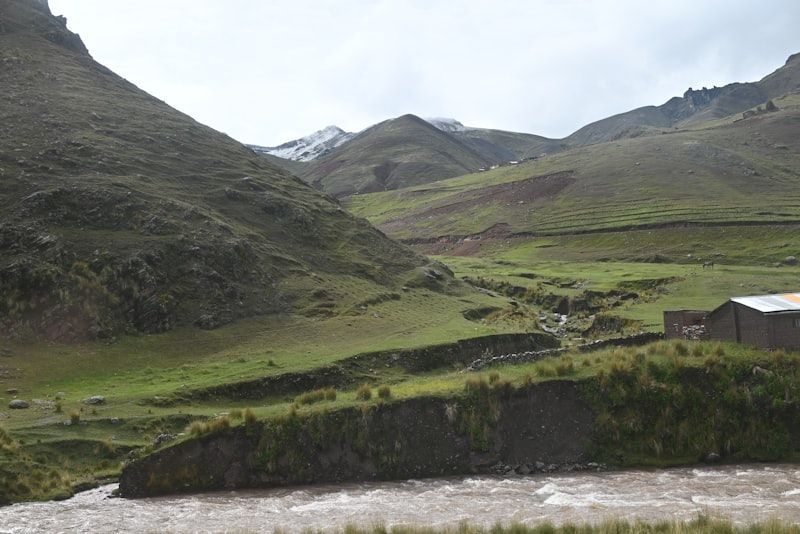
Only a short drive from Cuenca, Cajas National Park is a dramatic highland landscape of windswept páramo, mirror-like lagoons, and craggy ridgelines. For visitors based in Cuenca, a day in Cajas offers a concentrated dose of Andean scenery with easy-to-reach trails, photography opportunities, and a chance to see ecosystems that supply water to the city. You can tailor a visit to your energy level: gentle loops around lagoons, moderate ridge walks, or simply scenic overlooks that require little hiking.
Quick facts to know before you go
- Location: roughly 30–45 minutes by road west of Cuenca, depending on the access point.
- Elevation: park altitudes typically range from about 3,100 to over 4,000 meters (10,200–13,100 ft) — expect thin air and cold temperatures.
- Landscape: rolling páramo, peat bogs, Polylepis woodlands, and hundreds of lagoons.
- Weather: changeable and often wet; afternoons are more likely to cloud over.
How to get there: transport options from Cuenca
There are four practical ways to reach Cajas from Cuenca: public bus, taxi/ride-hail, rental car, or a guided tour. Each has pros and cons depending on convenience, cost, and how much of the park you want to explore.
Public bus and shared transport
For budget travelers, shared minibuses and regional buses headed to the western corridor frequently stop near park entrances along the Cuenca–Guayaquil highway. Buses are inexpensive and give you the flexibility to hike independently. Timetables can vary, so check at Cuenca’s main bus terminal for departures and ask the driver to let you off at the Cajas access road. Keep in mind that you may need to wait for a return bus or arrange a pickup.
Taxi or private transfer
A private taxi or colectivo (shared taxi) is faster and more flexible than the bus — ideal if you want to maximize hiking time or reach higher trailheads. Ask the driver to wait for you or agree on a pick-up spot; many drivers are familiar with Cajas and can recommend trailheads. Expect to pay more than public transit but still reasonable if you’re sharing the ride.
Rental car
Renting a car gives you the most freedom to explore multiple trailheads and move at your own pace. Roads to the main entrances are generally paved, but expect gravel and narrow stretches near higher elevations. Make sure your rental includes adequate insurance and that you’re comfortable driving in mountain conditions.
Guided day tours
Many operators in Cuenca offer half-day or full-day guided trips that include transport, a bilingual guide, and sometimes snacks or a warm drink. A guided tour is a stress-free option if you want local knowledge about trails, flora, fauna, and conservation while avoiding navigation and logistics.
Best times to visit and what weather to expect
If you want the clearest skies and crisp light, the drier months between June and September are generally the most reliable. During the rainy season (roughly December–May), expect more frequent showers and mist; however, dramatic cloudscapes can produce moody photos. Mornings usually offer the best visibility — afternoon clouds commonly roll in, so aim to be on the trail early.
Top hikes and viewing spots for a day trip
Cajas is a big park, but you can enjoy memorable hikes in a few hours. Here are tried-and-true routes and viewpoints that work well for a day trip from Cuenca.
Laguna Toreadora loop (easy to moderate)
This is one of the park’s most popular short circuits. The loop visits a glassy lagoon with excellent reflections on calm mornings. The trail is well marked and suitable for most fitness levels, making it perfect for families or photographers who want sweeping water-and-mountain shots without a long trek.
Llaviuco circuit (moderate)
The Llaviuco area features several lagoons and undulating páramo terrain. This circuit gives you a bit more elevation gain and exposure to open ridgelines — excellent for panoramic views and spotting highland birdlife. The trail can be boggy in places, so waterproof boots are helpful.
High ridge viewpoint — short, steep option
For those who love big vistas but have limited time, take a short steep climb to a ridge viewpoint that overlooks multiple lagoons and the patchwork of peatlands. The ascent is brisk and the payoff is immediate: a sweeping panorama that helps you understand the park’s scale.
Suggested day-trip itinerary from Cuenca
Here’s a practical timeline for a full but relaxed day in Cajas that balances hiking and travel time.
- 06:30 — Depart Cuenca (early start avoids afternoon clouds and crowds).
- 07:15–08:00 — Arrive at the chosen trailhead, pay any park fee, and begin the hike.
- 08:00–11:30 — Hike the Laguna Toreadora loop or Llaviuco circuit; stop for photos and a snack.
- 11:30–12:30 — Lunch break and short rest at a scenic spot or near the visitor area.
- 12:30–14:30 — Optional short second trail or viewpoint visit depending on energy and weather.
- 15:00 — Head back to Cuenca, arriving by late afternoon.
Packing list and practical gear
Because weather changes quickly and temperatures are lower at altitude, packing the right gear makes the day more comfortable and safe. Essentials include:
- Layered clothing: thermal base layer, fleece or insulated mid-layer, and a waterproof windproof shell.
- Sturdy hiking boots with ankle support and good tread; waterproof is a plus.
- Hat, gloves, and sunglasses — sun is stronger at high altitudes.
- Sunscreen and lip balm with SPF.
- Water (2 liters per person) and high-energy snacks; there are limited services inside the park.
- Camera, spare batteries, and a lens cloth for misty conditions.
- Small first-aid kit and personal medications; consider altitude remedies if you’re prone to symptoms.
Altitude awareness and staying safe
Cajas sits high above sea level, and some trails quickly climb toward 4,000 meters. Even visitors acclimatized to Cuenca can feel the thinner air. Take it slow, drink water regularly, and pause to catch your breath on steeper sections. Mild symptoms like headache or shortness of breath are common; if symptoms worsen, descend to lower elevation and seek medical help.
Wildlife, plants, and conservation
The park shelters unique highland ecosystems. You’ll see moorland plants adapted to cold, wet conditions and small Polylepis woodlands that host specialized bird species. Watch for waterfowl and modest game birds that frequent the lagoons. Cajas is also crucial for supplying water to Cuenca — peatlands and lagoons in the park capture and store rainwater, feeding rivers that are tapped for the city.
Respect protected zones by staying on marked trails, packing out your trash, and avoiding disturbance of wildlife and vegetation. The fragile páramo can take decades to recover from trampling and erosion.
Photography tips
For striking images, aim for first light when lagoons are most likely to be calm and reflective. Wide-angle lenses capture sweeping landscapes and foreground details like cushion plants and peat hummocks. Carry a lens cloth for mist and a neutral-density filter if you want long-exposure shots of moving clouds. Compositionally, try leading lines (tracks, ridgelines) toward distant peaks and include a person or rock for scale in wide shots.
Food, facilities, and services
Facilities inside the park are limited. Expect a small visitor center near major entrances and perhaps basic restroom facilities at trailheads, but don’t rely on on-site restaurants or stores. Bring your own lunch, snacks, and plenty of water. If you prefer not to pack food, some guided tours include a hot drink and a light meal, and a few roadside eateries near the park entrance serve typical Andean fare.
Responsible travel and local culture
Cajas sits within a cultural landscape where local farmers and communities have long used highland resources. When interacting with locals — for instance, drivers or small vendors near trailheads — be respectful, carry small bills for purchases, and support local guides when possible. Many communities are engaged in conservation and sustainable tourism initiatives; choosing a local guide or operator helps funnel tourism revenue back into the region.
Options for extending the visit beyond a day
If you fall under Cajas’s spell, consider an overnight trip to experience sunset and sunrise over the lagoons and to access longer trekking routes. Camping in designated areas deepens the experience — just be prepared for very cold nights and limited facilities. Multi-day hikes connect deeper lakes and offer solitude beyond the most visited loops.
Final tips for a great day trip
- Start early to maximize clear morning skies and avoid afternoon cloud build-up.
- Wear layers and be ready for wind and rain even on seemingly fine days.
- Bring cash for small park fees, snacks, or local taxis; card machines are uncommon.
- If you’re short on time or prefer a guided experience, choose a reputable Cuenca operator who includes transport and a knowledgeable guide.
- Leave no trace: take all your rubbish back to Cuenca or dispose of it properly at the entrance.
Cajas National Park is one of the most accessible and rewarding highland experiences near Cuenca. With a little planning — the right gear, an early start, and respect for fragile landscapes — you can enjoy a full day of dramatic lagoons, highland flora, and unforgettable panoramic views without leaving the city as your base. Whether you’re a photographer, hiker, or simply want a breath of mountain air, a day in Cajas gives you a true taste of Ecuador’s Andean beauty.