
Table of Contents
Why Cuenca is a Weekend City
Cuenca’s compact colonial core, tree-lined rivers, and friendly neighborhoods make it ideal for a weekend escape. Whether you’re an expat, visitor, or long-time resident looking for fresh ideas, Cuenca packs culture, nature and great food into a walkable grid — so you can experience a lot without rushing.
Friday Night: Ease In with Food and Ambience
Start your weekend slow. After settling in, stroll to Calle Larga or the area around Parque Calderón, where you’ll find a mix of cafés, restaurants and people-watching opportunities. Try a local specialty like hornado (slow-roasted pork) or a lighter plate of pan de yuca with a steaming taza de chocolate.
For a relaxed evening, pick a café facing Parque Calderón or a riverside terrace along the Tomebamba. Many places offer live music — check chalkboard signs outside venues. If you prefer cocktails or craft beer, the downtown bars are lively on weekends; ask a local for current favorites since the scene changes often.
Saturday Morning: Markets, Café Culture and Cathedral Views
Begin at Mercado 10 de Agosto for an immersive local experience. This bustling food market is where people shop for fresh produce, buy empanadas and sip caldo to warm up. Try a cup of freshly brewed coffee and sample street snacks — vendors are friendly and will gladly explain dishes if you ask in basic Spanish.
From the market it’s a short walk to Parque Calderón and the Catedral Nueva (Catedral de la Inmaculada Concepción). Climb the cathedral towers (or check for rooftop access) for one of the best skyline views of the city’s red-tiled roofs and surrounding mountains.
Practical Tip
Markets get busiest mid-morning. If you want quieter photos, arrive right when they open. Bring small bills and coins for purchases — many vendors don’t accept cards.
Saturday Afternoon: Museums, Riverside Walks and Craft Shopping
Spend the afternoon exploring Museo Pumapungo, a favorite for history lovers. The museum has archaeological exhibits, a garden of native plants and preserved Inca ruins right in the middle of the city. The nearby Casa de las Artes and Museo de las Conceptas are excellent smaller stops if you appreciate colonial art and cloistered architecture.
Walk along the Tomebamba River’s stone pathways toward the ‘Barranco’ neighborhood, where artisans display handwoven textiles, Panama hats (paja toquilla) and silver jewelry. Pick up a hat from a reputable workshop and look for the fine bright weaves that indicate quality craftsmanship.
Where to Shop for Handicrafts
- Small boutiques along the river and Calle Larga for higher-quality hats and textiles
- Plaza de las Artesanías near downtown for a mix of souvenirs and artisan stalls
- Saturday artisan markets and pop-ups — ask at your hotel for current locations
Saturday Evening: Live Music and Neighborhood Eating
For dinner, try one of Cuenca’s growing list of contemporary restaurants that blend Ecuadorian ingredients with international techniques. If you prefer casual, explore the local parrillas (grill restaurants) for flavorful, affordable meals.
After dinner head to a live music venue: jazz, trova and acoustic sets are common. If you’d like a more local scene, look for peñas — traditional music gatherings that sometimes happen in neighborhood bars and cultural centers.
Sunday: Nature Day — Cajas National Park or Nearby Artisan Towns
Sunday is perfect for a day trip. Two popular choices are a visit to Parque Nacional Cajas and an artisan-run tour to Gualaceo and Chordeleg.
Cajas National Park
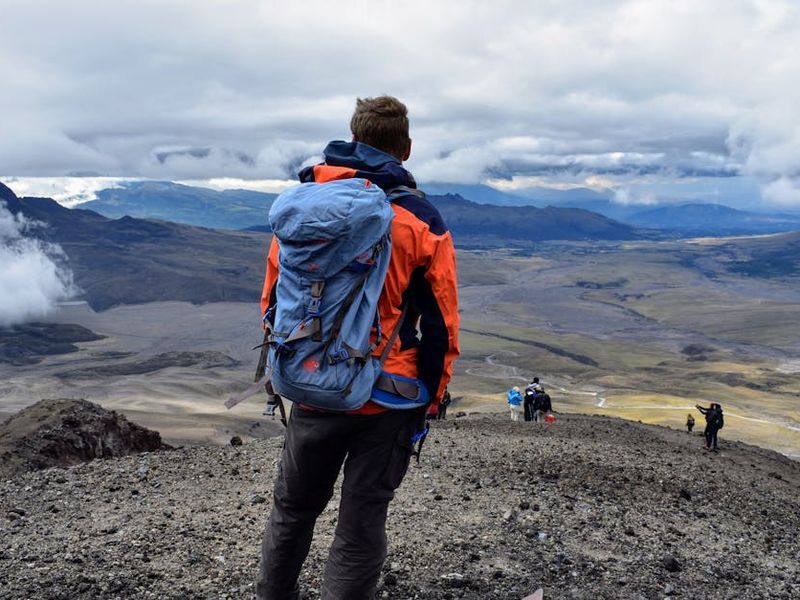
About 30–45 minutes by car from the city, Cajas is a highland gem of lakes, páramo landscape and easy-to-challenging hikes. Bring layers — temperatures drop quickly and winds pick up at higher passes. Short circuits around lagoons are family-friendly, while longer hikes explore higher elevations and moorlands.
Gualaceo and Chordeleg
If you prefer culture to altitude, take the bus or a short drive to Gualaceo and Chordeleg, two towns known for weaving, silver filigree and ceramics. It’s an easy way to see craft techniques up close and buy directly from artisans.
Practicalities for Day Trips
- Buses depart from the Terminal Terrestre or from points near the central market; ask at your accommodation for schedules.
- Guided tours are plentiful and convenient if you prefer a seeded itinerary and return transport.
- Bring sunscreen, water and comfortable boots for hikes; the sun is strong at high altitude even when it’s cool.
Rain Plans and Family-Friendly Alternatives
Cuenca’s weather is famously changeable — afternoons can bring showers. Good indoor alternatives include:
- Museo Pumapungo and other small museums for cultural immersion.
- Cooking class or chocolate workshop — learn to make local desserts and then enjoy them.
- Shopping arcades and artisan galleries for browsing under cover.
- Local cinemas for a low-effort evening out (films may be in Spanish).
Practical Tips: Getting Around, Money and Safety
Getting around central Cuenca is easy on foot — the colonial downtown is compact and mostly pedestrian-friendly. For farther spots use registered taxis, the tram (Tranvía) for a unique local ride, or collectivos for short intercity trips.
Money: cash is king in markets and smaller restaurants. Most mid-range and upscale restaurants take cards. ATMs are plentiful downtown, and the currency is the U.S. dollar, which simplifies budgeting for many expats and visitors.
Safety: Cuenca ranks among Ecuador’s safer cities, but petty theft happens. Use common-sense precautions: keep valuables secure, don’t leave bags unattended, and use taxi services recommended by your accommodation at night.
Language, Etiquette and Local Customs
Spanish is the language of daily life. Learning a few phrases — buenos días, por favor, gracias — goes a long way. In service interactions, polite formalities (usted) are often used with older people and formal situations. Locals are warm and appreciate friendly greetings.
Tipping: many restaurants include a service charge on the bill; if not, a 10% tip is appreciated but not mandatory. For markets and taxis, rounding up the fare is common practice.
Sample Two-Day Itinerary
Here’s a compact itinerary you can adapt depending on weather and pace.
- Friday night: Dinner near Parque Calderón, short walk along the river, nightcap at a local bar.
- Saturday morning: Mercado 10 de Agosto, coffee, Cathedral towers and Parque Calderón photos.
- Saturday afternoon: Museo Pumapungo, Tomebamba riverside walk, artisan shopping in the Barranco area.
- Saturday evening: Dinner in Calle Larga, live music at a small venue.
- Sunday: Day trip to Cajas National Park for lakes and easy hikes, or to Gualaceo/Chordeleg for artisan shopping; return for a farewell dinner.
Budgeting Your Weekend
Cuenca can suit tight and generous budgets alike. Street food starts at a couple of dollars, mid-range restaurant meals usually run modestly, and museum entrance fees are typically small. Day trips can be done cheaply by public bus, or more comfortably via inexpensive guided tours.
Seasonal Notes and Events
Cuenca has events year-round: cultural festivals, art fairs and religious celebrations. Some highlights include the city’s patronal festivals, occasional outdoor concerts and artisan markets timed to holidays. If your weekend coincides with a festival, you’ll get a deeper slice of local life — but expect crowds and higher demand for restaurants and taxis.
Final Local Tips to Make the Most of Your Weekend
- Wear layers. The “eternal spring” climate can shift from sunny to chilly quickly.
- Start mornings early to beat crowds at popular viewpoints and markets.
- Chat with vendors and artisans — locals are proud of their crafts and often happy to describe techniques or origins.
- Carry small bills for tips and market purchases.
- Ask your accommodation for current recommendations — new cafés and pop-ups appear often.
Cuenca rewards slow exploration: a weekend here can feel both restorative and full of discovery. With a balance of markets, museums, riverside strolling, and a taste of highland wilderness, you’ll leave feeling like you really experienced the city like a local.