
Table of Contents
Introduction: Why smart planning matters when shipping to Cuenca
Relocating to Cuenca is exciting: colonial streets, spring-like weather year-round, and a relaxed expat community. But moving your household goods from the United States to southern Ecuador can be the most stressful part of the transition—unless you plan carefully. This guide walks you through the practical choices, paperwork, timelines, and local realities you’ll face when shipping personal belongings to Cuenca so you can make confident decisions and avoid costly delays.
Overview of the basic shipping routes and transit options
There are three common ways to get items from the U.S. to Cuenca:
- Courier/express parcel (UPS, FedEx, DHL). Best for small boxes, urgent documents, or a few valuables. Fast but expensive for heavy or bulky items.
- Air freight. Faster than sea for larger shipments but significantly more costly—usually reserved for a partial household or items you absolutely need immediately.
- Ocean freight (full container load – FCL or less-than-container load – LCL). The most cost-effective solution for furniture and large shipments. Containers usually arrive at the Port of Guayaquil, then goods are trucked overland to Cuenca.
Most household moves to Cuenca use ocean freight into Guayaquil followed by trucking to Cuenca (about a 3.5–4 hour drive, depending on traffic). Manta is an alternative port but is less common for household imports.
How to choose between FCL and LCL
Deciding whether to book an entire container or share space comes down to volume, budget, and timing:
- FCL (20′ or 40′ container) — best if you have full household contents, heavy furniture, or want simplified handling. You pay for the whole container, even if it’s not full, but packing and customs are easier.
- LCL (less-than-container load) — you pay per cubic meter and share container space with other shippers. It’s cheaper for small shipments but increases handling points (more loading/unloading), which raises risk and transit time.
Tip: If you have more than 12–15 cubic meters of goods, FCL often becomes more economical and reduces the chance of damage during consolidation.
Must-have paperwork and documentation
Proper documentation keeps your shipment moving. While exact requirements change, prepare the following items and work with your freight forwarder or customs broker to confirm specifics:
- Passport copy and visa or proof of residency (if applicable)
- Inventory/packing list in Spanish and English with values, descriptions, and serial numbers for electronics
- Bill of lading (ocean) or airway bill (air)
- Purchase receipts for items with high declared value
- Power of attorney for the broker to clear goods locally (commonly required)
- Vehicle title and registration if shipping a car
Customs officials will ask questions when shipments look commercial (many identical new items, price tags attached, etc.). If you are an immigrant moving household goods, you may qualify for duty exemptions under certain residency rules—check with a customs broker in Ecuador because exemptions require specific documentation and timing.
Customs, duties, and common pitfalls
Ecuador has its own import rules and taxes, and policies change. Key points to remember:
- Household goods imported as a personal move are sometimes eligible for preferential treatment, but eligibility depends on immigration status and documentation.
- Duty assessments are based on declared value; under-declaring can lead to fines or seizure.
- Certain items may be restricted or require permits—firearms, some medications, plants with soil, and large quantities of commercial goods are examples.
- Storage fees at the port can accumulate quickly if paperwork or payments are delayed—expect daily charges after a grace period.
Work with a reputable customs broker (agente aduanero) in Ecuador. They handle paperwork, calculate taxes, and communicate with customs on your behalf. Using a broker may feel like an extra expense, but it usually saves time and money by preventing fines and long storage fees.
Packing tips for an Andes-bound move
Packing for a long sea voyage and a final delivery into historic Cuenca requires smart preparation:
- Use international-grade packing materials and double-box fragile items. Sea voyages are bumpy and goods may be stacked or shifted.
- Label each box in both English and Spanish with a brief list of contents and the room it belongs to—this helps the local delivery crew and customs.
- Document serial numbers on electronics and take photos of high-value items before they leave the U.S.
- For wooden crates and pallets, ensure the wood is ISPM-15 treated—otherwise customs can refuse entry or require fumigation.
- Remove all soil from plants and avoid shipping potting soil. In many cases, live plants are restricted.
- Be mindful of batteries—lithium batteries are strictly regulated by air carriers and sometimes by sea carriers. Remove them from devices when possible and ship separately under permitted guidelines.
What not to ship (and smart alternatives)
Some things are better sold, donated, or replaced locally:
- Large, heavy furniture (dressers, oversized couches) — narrow colonial streets, staircases, and elevators in Cuenca can make delivery difficult and expensive.
- Appliances — Ecuador uses 120V like the U.S., but quality and warranty issues, plus energy efficiency standards, mean it can be easier to buy new locally.
- Old cars — import taxes on vehicles can be high and the paperwork is complicated. Many expats sell their cars in the U.S. and buy locally.
- Perishables and restricted food items — customs often seizes meat, dairy, and fresh produce.
For bulky items you still want, consider selling and using the proceeds to ship a few sentimental pieces, or ship a small selection and buy the rest in Cuenca. The local furniture market and secondhand options in Cuenca are surprisingly good for settling in quickly.
Timing: planning your move calendar
Start planning early—realistic timing keeps costs down and reduces stress. Typical timelines:
- Small parcels (courier): 3–10 days door-to-door, depending on service and customs clearance.
- Air freight: 7–14 days, plus local handling and customs.
- Ocean freight LCL: 4–8 weeks from pickup to arrival in Guayaquil, then clearance and trucking to Cuenca.
- Ocean freight FCL: 4–6 weeks typical, but allow extra time during peak seasons or port congestion.
Practical plan: book sea shipments at least 6–12 weeks ahead of preferred arrival and allow an additional 1–3 weeks for customs clearance and inland transport. If you need items immediately upon arrival, ship a small suitcase or an express box with essentials by courier separately.
Navigating last-mile delivery within Cuenca
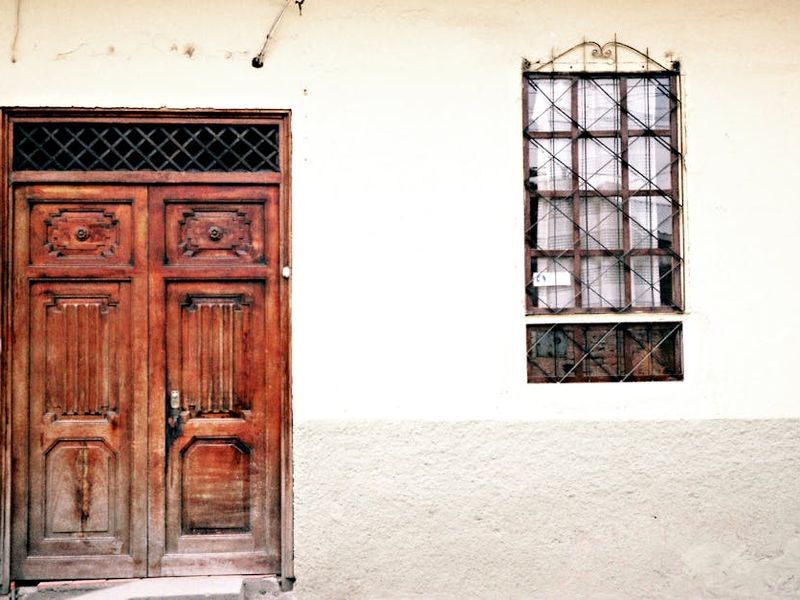
Cuenca’s charm includes narrow colonial streets in the historic center, steep hills in some neighborhoods, and limited truck access in older areas. Think through final delivery logistics:
- If your new home is in the Centro Histórico, expect delivery by smaller truck or manual carry—arrange a crew trained in stair carries.
- Communicate access details (street width, stairs, parking possibilities) to the mover well in advance.
- Bring local help or temporary storage in Cuenca if the delivery truck can’t reach your door—many movers provide a shuttle service from a local yard to your address for an extra charge.
Ask your moving company about their experience delivering in Cuenca and request references. Local knowledge of the city is essential to avoid surprise extra charges for difficult deliveries.
Insurance: protecting your shipment
Insure shipments against loss and damage. Options include door-to-door transit insurance and marine cargo insurance. Keep in mind:
- Standard carrier liability is limited and often doesn’t cover full replacement value.
- Insure for “replacement value” rather than “actual cash value” if you want to replace items at similar cost.
- Keep receipts and photos for high-value items—insurers require documentation for claims.
Even with insurance, filing claims takes time. Mitigate risk by packing well and using experienced international movers.
Costs and budgeting—what to expect
Every move is unique, so give yourself flexible cost brackets. Contributing factors include volume, origin city in the U.S., whether you choose FCL or LCL, insurance levels, customs broker fees, duties (if any), port storage fees, inland transport to Cuenca, and any additional services such as unpacking or room setup.
Ways to save money:
- Ship only what you truly need; donate or sell the rest.
- Get at least three quotes and compare identical services in writing.
- Consider consolidated shipments or groupage services if timing is flexible.
Finding the right partners: movers, forwarders, and brokers
Look for companies with experience shipping to Ecuador and check references from other expats in Cuenca. Useful sources of feedback include expat forums, Facebook groups focused on Cuenca expatriates, and local community pages. When evaluating partners:
- Ask how many shipments they’ve delivered to Cuenca and whether they use local agents there.
- Confirm whether quotes are door-to-door or port-to-port and what additional charges might apply (storage, documentation, fumigation).
- Ensure they explain insurance options clearly and provide a written services agreement.
A good combination is a U.S.-based international mover or freight forwarder handling pickup, ocean transit, and documentation, plus a reliable customs broker/agent in Guayaquil to handle clearance and trucking to Cuenca.
Tips from expats who’ve made the move
- Pack an essentials box with medicines, a few kitchen items, chargers, important documents, and a change of clothes—carry this with you on the plane.
- Ship one or two sentimental pieces and replace bulky furniture locally.
- Label fragile items in Spanish and English; local delivery crews sometimes prefer Spanish-language labels.
- Be present for customs clearance if possible, or give power of attorney to someone you trust—this speeds up responses to customs queries.
- Manage expectations: customs and port delays can happen. Budget extra time before important dates like school start or work commitments.
Final checklist before you ship
- Declutter: sell, donate, or discard what you won’t use in Ecuador.
- Get at least three quotes for both shipping and customs brokerage.
- Create a detailed inventory in Spanish and English and photograph valuables.
- Confirm insurance coverage and save all policy documents.
- Verify vehicle import rules before deciding to ship a car.
- Pack an essentials box and keep it with you.
- Notify banks and service providers of your move; update addresses for any shipments.
Wrapping up: making your move to Cuenca smoother
Shipping household goods to Cuenca requires planning, patience, and good partners. The biggest mistakes are underestimating time, skimping on documentation, and ignoring local delivery realities in historic neighborhoods. Take time to research forwarders and customs brokers, prepare clear Spanish-English inventories, and be selective about what you ship. With sensible choices, you’ll land in Cuenca ready to enjoy its markets, parks, and friendly neighborhoods without being buried in unexpected bills or hassles.
Ready to start? Begin with an itemized inventory and reach out to two or three forwarders experienced with Ecuador—then compare services and timelines so your move to Cuenca is organized and stress-free.