
Table of Contents
Why Cuenca deserves to be your first stop in Ecuador
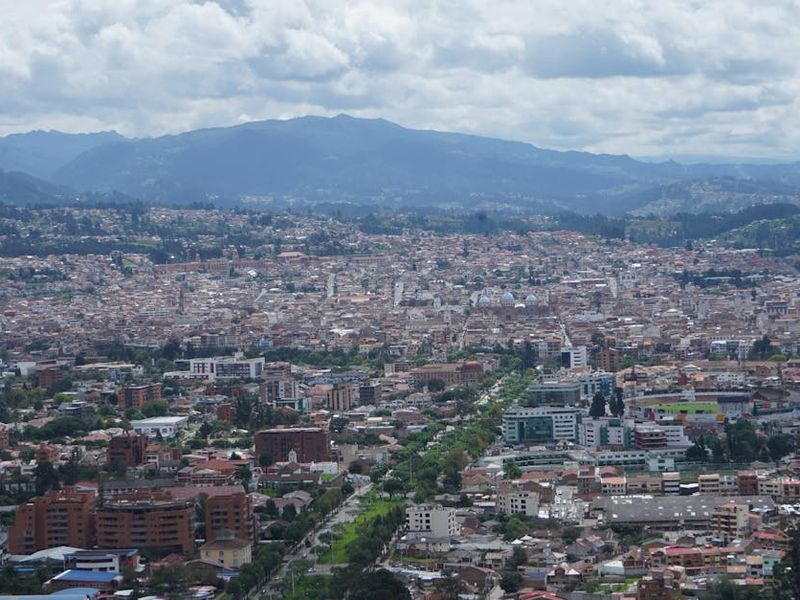
Cuenca’s cobblestone streets, blue-domed cathedral, and tree-lined riverbanks make it one of Ecuador’s most enchanting cities. Designated a UNESCO World Heritage site, the historic center brims with colonial architecture, lively markets and a calm, friendly rhythm that suits both short visits and longer stays. If you’re planning your first trip, a little practical preparation will help you make the most of these narrow streets, craft shops and highland vistas.
Quick facts to know before you arrive
- Elevation: About 2,560 meters (8,400 feet). Expect thinner air — take it easy on day one.
- Currency: The U.S. dollar is Ecuador’s currency. Carry small bills for markets and taxis.
- Language: Spanish is the primary language. English is used in some tourist spots but learning basic Spanish phrases helps greatly.
- Climate: Spring-like and changeable year-round — sun in the morning, potential showers in the afternoon.
- Visa/entry: Many nationalities receive a 90-day visa on arrival; check your country’s rules before travel.
Packing and health tips for the altitude
Altitude in Cuenca can surprise first-time visitors. You might feel short of breath, tired or have a mild headache. Pack with altitude in mind: bring sunscreen, lip balm, a reusable water bottle, and layers so you can add or remove clothing as temperatures shift.
Practical packing checklist:
- Lightweight, warm layers (fleece or sweater)
- Waterproof jacket or compact umbrella
- Sunscreen and a hat — UV is stronger at altitude
- Comfortable walking shoes for cobblestones
- Small bills in USD, photocopy of passport, and prescriptions
To reduce effects of altitude: hydrate, avoid heavy exertion on your first day, and limit alcohol. If you’re planning hikes (for example, in Cajas National Park) allow a day or two to acclimatize.
Getting around: buses, taxis and walking
Cuenca’s compact historic core is best explored on foot. Sidewalks and cobbled lanes lead past plazas, churches and museums; strolling is the easiest way to absorb the atmosphere. For longer trips, you have options:
- Local buses: Cheap and extensive — ideal for budget travel. Routes can be confusing at first; ask locals or your accommodation for directions.
- Taxis: Readily available and inexpensive compared to many countries. Use radio-taxis or agree the price before departing when the driver doesn’t use a meter. Keep small bills for short trips.
- Ride-hailing apps: Apps like Uber sometimes operate, but availability varies. Taxis remain the most reliable option.
Tip: ask for directions using landmark names (e.g., the Parque Calderón or the cathedral) rather than street names — locals commonly use landmarks.
Where to stay: neighborhoods and what to expect
Choose accommodation based on the experience you want. The Centro Histórico places you steps from major sights, cafés and nightlife — expect cobblestones and some noise at night. If you prefer calmer streets and riverside views, look for lodging along the Tomebamba River or near the Yanuncay neighborhood. For budget travelers, guesthouses and hostels near the central market offer great value.
Book early if your trip coincides with Easter, national holidays or local festivals — Cuenca attracts both Ecuadorian and international visitors during busy times.
Food to try and where to eat safely
Cuenca’s food scene blends hearty Andean comfort dishes with contemporary cafés and international options. Must-try local specialties include:
- Llapingachos: Potato pancakes often served with chorizo, egg and salad.
- Hornado: Slow-roasted pork, usually accompanied by mote (hominy) and plantains.
- Cuy: Guinea pig — a traditional dish in the highlands; try it if you’re adventurous.
- Helado de paila: Artisanal sorbet made in a copper pan — a refreshing treat.
Markets are great places to sample fresh juice, empanadas and inexpensive meals. Look for busy stalls — a sign of turnover and freshness. In sit-down restaurants, ask for recommendations and check whether the price includes service. When in doubt, choose places that cater to locals as well as tourists.
Money, shopping and bargaining
Because Ecuador uses the U.S. dollar, you won’t need to exchange currencies once you arrive. ATMs are widespread, but carry cash for markets, taxis and small vendors. Many shops and restaurants accept credit cards, but smaller businesses may be cash-only.
Shopping highlights include:
- Panama hats: Often sold as “Panama” hats but made from Ecuadorian toquilla straw; you’ll find many styles in Cuenca.
- Silver jewelry: The nearby town of Chordeleg is famous for filigree silver — ideal for quality pieces.
- Textiles and handicrafts: Visit Gualaceo for woven goods and regional crafts.
Bargaining is acceptable at markets but keep it polite and friendly. Start lower than the asking price but be mindful of the seller’s time and effort.
Safety and common-sense precautions
Cuenca is generally safe, but like any city, petty crime such as pickpocketing can occur in crowded areas. Keep these common-sense precautions in mind:
- Carry only what you need for the day and use a money belt or inside pocket.
- Avoid displaying expensive jewelry or large sums of cash in public.
- Take licensed taxis at night and avoid poorly lit streets.
- Be cautious when accepting unsolicited offers from strangers, especially for “great deals” or tours.
Emergency services in Ecuador use the 911 number. For medical care, Cuenca has several private clinics and reputable dental services; consider travel insurance that includes medical evacuation for peace of mind.
Language and cultural etiquette
Spanish will open more doors and improve interactions with shopkeepers, market vendors and taxi drivers. Learn a few polite phrases — locals appreciate the effort. Useful starters:
- Hola — Hello
- Buenos días / Buenas tardes — Good morning / afternoon
- Por favor / Gracias — Please / Thank you
- ¿Cuánto cuesta? — How much does it cost?
- ¿Dónde está el baño? — Where is the bathroom?
Cultural tips: greet people with a handshake or a single cheek kiss in social settings. Use “usted” in formal situations until invited to use “tú.” When photographing people, especially artisans or those in traditional dress, ask permission first and consider offering to pay a small fee if you plan to take portraits for commercial use.
Suggested itineraries: make the most of 3 to 5 days
Here are quick sample itineraries to help structure your visit:
3-day weekend
Day 1: Explore the historic center — Parque Calderón, Catedral Nueva, and surrounding plazas. Enjoy coffee on Calle Larga.
Day 2: Visit Museo Pumapungo, then stroll along the Tomebamba River. Evening: try a traditional dinner.
Day 3: Day trip to Cajas National Park for easy hikes and lake views (allow for one full day).
5-day relaxed pace
Days 1–2: Follow the 3-day plan, add a museum crawl (local anthropology and art museums). Day 3: Day trip to Ingapirca ruins to see pre-Colombian and Inca heritage. Day 4: Visit the artisan towns of Gualaceo and Chordeleg for weaving and silver. Day 5: Slow morning shopping and a cooking class or coffee tour.
Great day trips within easy reach
Cuenca’s location makes it a fantastic base for short trips:
- Cajas National Park: Lakes, páramo landscapes and easy to moderate hikes; bring layers and a warm jacket.
- Ingapirca: Ecuador’s largest Inca ruins — a fascinating mix of indigenous and colonial history.
- Gualaceo and Chordeleg: Known for handicrafts — textiles and filigree silver respectively.
- Small Andean towns: Girón and Paute offer local markets and scenic drives through the highlands.
Connectivity, SIM cards and staying online
Wi-Fi is common in hotels, cafés and many public spaces, but speeds vary. For more consistent access, buy a prepaid SIM card at a store from a major provider; you’ll need your passport for registration in some cases. Data packages are affordable and useful for maps, translation apps and ride-hailing.
Final tips to travel like a local
Slow down and enjoy Cuenca’s relaxed pace. Visit the central market early in the morning to see local life, try street food and buy fresh fruit. Time your museum visits for weekday mornings to avoid crowds. If you encounter a festival or procession, join the crowd and ask locals about the significance — Ecuadorian festivals are colorful and welcoming.
Remember: a friendly hello in Spanish, measured bargaining at the market, and respect for local customs will go a long way. With a little preparation — layers for the weather, cash in small bills, and an open mind — your first trip to Cuenca will be rich with architecture, food, nature and warm encounters.
Quick checklist before you leave
- Photocopy passport and keep a digital backup
- Inform your bank and bring a backup card
- Download offline maps and a translation app
- Pack a small daypack, sunscreen, and comfortable shoes
- Purchase travel insurance that covers medical needs and hikes
Enjoy Cuenca: a city where colonial beauty meets Andean warmth. With these practical tips you’ll be ready to explore plazas, sample regional cuisine, and take memorable day trips into Ecuador’s highlands.
Adam Elliot Altholtz serves as the Administrator & Patient Coordinator of the “Smilehealth Ecuador Dental Clinic“, along with his fellow Expats’ beloved ‘Dr. No Pain‘, right here in Cuenca, Ecuador, and for purposes of discussing all your Dental needs and questions, is available virtually 24/7 on all 365 days of the year, including holidays. Adam proudly responds to ALL Expat patients from at least 7:00am to 9:00pm Ecuador time, again every single day of the year (and once more even on holidays), when you write to him by email at info@smilehealthecuador.com and also by inquiry submitted on the Dental Clinic’s fully detailed website of www.smilehealthecuador.com for you to visit any time, by day or night. Plus, you can reach Adam directly by WhatsApp at +593 98 392 9606 -or by his US phone number of 1‐(941)‐227‐0114, and the Dental Clinic’s Ecuador phone number for local Expats residing in Cuenca is 07‐410‐8745. ALWAYS, you will receive your full Dental Service in English (NEVER in Spanish), per you as an Expat either living in or desiring to visit Cuenca by your Dental Vacation, plus also to enjoy all of Ecuador’s wonders that are just waiting for you to come arouse and delight your senses.