
Table of Contents
Why Cuenca is different from other Ecuadorian cities
Cuenca is often described as the friendliest small city you’ll ever visit. Nestled high in the Andes at roughly 2,560 meters (about 8,400 feet), it combines a UNESCO-listed historic center, tree-lined river promenades and a thriving expat scene. Unlike Quito’s bustle or Guayaquil’s coastal humidity, Cuenca offers mild, spring-like weather most of the year, cobblestone streets that invite walking, and slower rhythms that make it easy to explore at a relaxed pace.
Quick practical facts to know before you go
- Currency: U.S. dollars (USD) — widely used everywhere.
- Altitude: ~2,560 m (8,400 ft) — plan for possible mild altitude effects.
- Language: Spanish is dominant; English is common among tourism workers and many expats.
- Electricity: 110–120V, plugs A/B (same as the U.S.).
- Time zone: Ecuador Time (ECT), UTC −5 (no daylight savings).
Packing essentials for Cuenca
Cuenca’s climate is famously changeable: cool mornings, warm afternoons if the sun comes out, and crisp nights. Build your packing list around layers and comfort.
- Layered clothing: light sweaters, a warm fleece or light down jacket, and a waterproof shell.
- Sunscreen and sunglasses: the sun is intense at altitude even on cloudy days.
- Comfortable walking shoes with good tread for cobblestones and steep streets.
- Reusable water bottle, daypack, and a small umbrella or compact raincoat.
- Medications and a basic first-aid kit. If you get severe altitude sickness easily, consult your doctor about acetazolamide (Diamox) before travel.
- Copies of passport, travel insurance, and emergency contacts saved offline.
Getting to and from the airport
Mariscal Lamar International Airport (CUE) serves Cuenca. It’s modest but functional; getting to the city center takes roughly 20–40 minutes depending on traffic. Options include official airport taxis, private transfers (bookable in advance), and shared shuttles. Expect a modest fare for a city taxi; many travelers pre-book a transfer for peace of mind, especially on arrival after a long flight.
Where to stay: neighborhoods that suit different travelers
Choose your neighborhood based on the kind of trip you want. The charm of Cuenca is how compact and walkable the city center is, so most neighborhoods are within easy reach of sights.
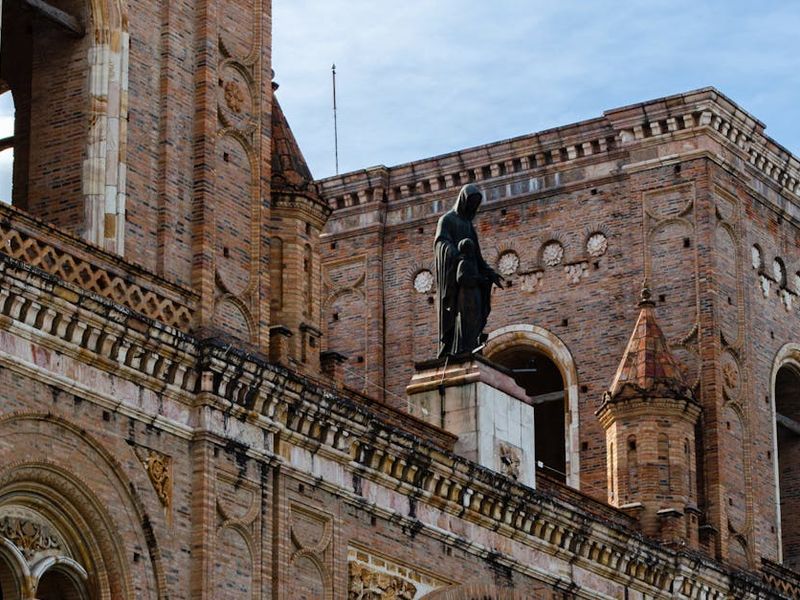
- Historic Center (Centro Histórico): Ideal for first-time visitors. You’ll be steps from Parque Calderón, the New Cathedral with its blue domes, museums, cafes and markets.
- Tomebamba riverside: Streets that slope toward the rivers offer picturesque views, boutique hotels and riverside promenades perfect for evening strolls.
- El Centro and Calle Larga: A lively area with restaurants and nightlife—good if you want to be near bars and cafes.
- Residential neighborhoods: A short taxi ride away, these areas offer quieter accommodations and longer-term apartment rentals favored by expats.
Getting around the city
Cuenca is extremely walkable inside the historic center. Sidewalks, plazas and riverside walkways invite exploration. When you need to go further:
- Taxis are inexpensive and ubiquitous. Use official taxi stands or agree on the fare before departing if the taxi doesn’t use a meter. Short rides in the city often cost just a few dollars.
- Buses are the cheapest option, but routes can be confusing for newcomers; carry small bills and ask the driver or a local for directions.
- Ride-hailing apps have fluctuated in availability—confirm whether services like Uber or Bolt are operating and legal at the time of your visit.
- Renting a car gives flexibility for day trips, but city driving requires confidence with narrow streets and occasional steep climbs. Parking can be limited in the historic center.
Safety and common-sense precautions
Cuenca ranks among Ecuador’s safer cities, but petty crime like pickpocketing and opportunistic theft happens—especially in crowded markets and on public transportation. Basic precautions go a long way:
- Carry a copy of your passport and keep the original in your accommodation safe.
- Use a money belt or inner pocket for passports and cash, especially in markets.
- Avoid poorly lit streets late at night; take a taxi if you’re out late or in an unfamiliar area.
- Don’t flash expensive jewelry or large amounts of cash. Keep cameras and phones secure when photographing busy areas.
Money: withdrawing, spending, and tipping
Because Ecuador uses the U.S. dollar, budgeting is straightforward. ATMs are widespread but can charge fees; it’s smart to withdraw larger amounts less frequently and carry small bills for market shopping.
- Many places accept cards, but small market stalls and taxis may be cash-only.
- Tipping: a 10% service charge is sometimes included on restaurant bills. If it’s not included, 5–10% is appropriate. For guides and drivers, small tips are appreciated.
Food and drink: what to try and how to order
Cuenca’s cuisine reflects Andean traditions. Restaurants range from humble markets to refined bistros. Don’t miss local specialties and be adventurous in markets and street stalls.
- Try llapingachos (potato patties), hornado (slow-roasted pork), locro de papa (creamy potato soup), and if you want to sample a classic, cuy (roasted guinea pig) is a local delicacy.
- Savor local coffee—many cafés roast Ecuadorian beans and offer tasting options.
- Tap water in Cuenca is treated and many locals drink it. If you have a sensitive stomach, opt for bottled water until you’re acclimated.
Cultural tips and social etiquette
Simple gestures will make interactions smoother. People in Cuenca are generally warm and formal in first meetings.
- Greet with a handshake or a light cheek kiss when introduced to someone in a social setting.
- Use basic Spanish greetings—buenos días, buenas tardes—before launching into questions. Learning a few phrases goes a long way.
- Dress neatly and respectfully; casual attire is fine, but overly flashy clothing can draw attention.
Health, altitude, and healthcare
At altitude, many visitors experience mild symptoms like shortness of breath, headaches or trouble sleeping. Plan to move slowly on your first day, hydrate well and avoid heavy exertion. If you have cardiac or respiratory issues, consult your doctor before traveling.
Cuenca has good medical facilities, private clinics and pharmacies. Travel insurance that covers medical evacuation is recommended for peace of mind. Carry prescriptions in original containers and a note from your doctor if you take restricted medications.
Must-see sights for first-timers
Cuenca is compact, so you can pack many highlights into a few days.
- Parque Calderón: The historic heart of the city where you’ll find the New Cathedral’s iconic blue domes and lively street life.
- Pumapungo Museum and ruins: Archaeology, ethnography and botanic gardens in a fascinating site that ties the colonial city to pre-Columbian history.
- Tomebamba River walkways: Riverside promenades lined with trees and cafes—great for both day and evening strolls.
- El Barranco: The steep area below the historic center with colorful houses, artists’ studios and great viewpoints.
- Artisan markets: Hunt for Panama straw hats, silver jewelry, textiles and locally made ceramics in the artisanal market zones.
Top day trips from Cuenca
Cuenca’s location makes it an excellent base for short adventures into the highlands and artisan towns.
- Cajas National Park (45–60 minutes): A dramatic páramo landscape with glacial lakes, peat bogs and excellent hiking—bring warm layers and waterproof shoes.
- Gualaceo & Chordeleg (40–60 minutes): Visit these nearby towns for woven textiles, silver and gold filigree jewelry—perfect for shopping and cultural immersion.
- Azogues and Paute: Smaller towns offering traditional markets and, depending on the season, local festivities and food specialties.
- Vilcabamba: Known as the “Valley of Longevity,” it’s further out (3–4 hours) but worth it for a relaxed mountain vibe and local hiking.
Events and festivals: plan ahead
Cuenca hosts cultural and religious celebrations throughout the year. If possible, check local event calendars before your trip—festivals bring lively parades, music and traditional food, but they can also cause road closures and crowded hotels. Booking stays well in advance during popular festival periods is a smart move.
Connectivity: SIM cards, Wi-Fi and staying online
Major cellular providers operate in Cuenca, and you can buy a prepaid SIM at shops around the city and sometimes at the airport. Registration may require your passport. Wi‑Fi is common in hotels, cafes and many restaurants. Bring a portable charger if you plan to be out exploring all day.
Final tips to make the most of your first visit
Take it slow and leave room for discovery. Cuenca rewards wandering: turn down side streets, sit in a plaza with a coffee, and listen to local conversations. Use daytime hours for excursions to higher altitude spots like Cajas, and save evenings for relaxed meals along the river.
Carry small change for markets and taxis, keep a phrasebook or translation app handy, and look beyond the main attractions to find quiet neighborhoods, artisan workshops and friendly neighborhood cafés. With sensible preparation—layers for the weather, respect for local customs, and basic safety measures—your first visit to Cuenca will feel welcoming, manageable and endlessly photogenic.
Quick checklist before you leave
- Pack a warm layer and a rain jacket.
- Bring copies of important documents and register your travel insurance.
- Notify your bank of travel plans and bring a mix of cash and cards.
- Plan any airport transfers in advance if you want a stress-free arrival.
- Learn a few Spanish phrases to ease daily interactions.
Ready for Cuenca? With a little planning and an adventurous spirit, you’ll find a city that’s welcoming, historic and perfectly sized for a relaxed first visit.
Adam Elliot Altholtz serves as the Administrator & Patient Coordinator of the “Smilehealth Ecuador Dental Clinic“, along with his fellow Expats’ beloved ‘Dr. No Pain‘, right here in Cuenca, Ecuador, and for purposes of discussing all your Dental needs and questions, is available virtually 24/7 on all 365 days of the year, including holidays. Adam proudly responds to ALL Expat patients from at least 7:00am to 9:00pm Ecuador time, again every single day of the year (and once more even on holidays), when you write to him by email at info@smilehealthecuador.com and also by inquiry submitted on the Dental Clinic’s fully detailed website of www.smilehealthecuador.com for you to visit any time, by day or night. Plus, you can reach Adam directly by WhatsApp at +593 98 392 9606 -or by his US phone number of 1‐(941)‐227‐0114, and the Dental Clinic’s Ecuador phone number for local Expats residing in Cuenca is 07‐410‐8745. ALWAYS, you will receive your full Dental Service in English (NEVER in Spanish), per you as an Expat either living in or desiring to visit Cuenca by your Dental Vacation, plus also to enjoy all of Ecuador’s wonders that are just waiting for you to come arouse and delight your senses.