
Table of Contents
Introduction: Why Cuenca Is on the Map for Dental Implants
Cuenca, Ecuador, has quietly become a destination for people seeking quality dental care at a lower price than many North American and European markets. For expats living in the city and visitors considering dental work, implants present a long-term solution for missing teeth that can restore function and confidence. This article walks through the benefits of choosing dental implants in Cuenca, realistic expectations about cost and timeline, and practical tips for finding the right clinic and planning your care.
What Are Dental Implants and Why They Matter
Dental implants are titanium posts surgically placed into the jawbone to serve as artificial tooth roots. A crown, bridge, or denture is then attached, creating a stable, natural-feeling replacement. Unlike removable dentures, implants stop bone loss in the jaw and give much better chewing ability. For many people, the quality-of-life improvement—eating foods they enjoy, clear speech, and a natural smile—is the most compelling benefit.
Top Benefits of Choosing Implants in Cuenca
1. Cost Savings Without Sacrificing Quality
One of the biggest draws is cost. Many clinics in Cuenca offer implants at significantly lower prices than in the U.S., Canada, or Europe—often because of lower overhead and competitive local market pricing. That said, “cheap” isn’t the goal. Look for clinics that use reputable implant systems (such as international brands), digital diagnostics, and proven protocols.
2. Skilled Dentists and Modern Technology
Cuenca’s dental community includes dentists trained locally and internationally who use modern tools like CBCT 3D imaging, digital impression systems, and CAD/CAM milling. These technologies improve diagnosis and implant positioning, reducing complications and improving cosmetic results.
3. Personalized, Often Faster Service
Because many clinics are smaller than large metropolitan practices abroad, patients frequently find more personalized attention. Appointments can be more flexible, and bilingual staff are common, which benefits expats. Many practices will walk you through every step, from financing to aftercare.
4. Integrated Lab Work and Local Dental Labs
Cuenca has several high-quality dental labs capable of fabricating crowns, bridges, and hybrid dentures locally. Using a local lab can speed up turnaround times for final restorations and allow for chairside adjustments in fewer visits.
Cost Expectations: What to Budget For
Costs vary based on the implant brand, type of restoration (single crown, bridge, full-arch), and the need for auxiliary procedures (bone grafts, sinus lifts, extractions). In Cuenca, single implant placement with an abutment and crown often ranges lower than many foreign markets—however, exact prices change over time and between clinics.
Important cost components to consider:
- Consultation and diagnostics (X-rays, CBCT scan)
- Surgical placement of the implant (including anesthesia)
- Implant component brand and type (conical, tapered, platform-switching)
- Bone grafting or sinus lift if needed
- Abutment and final crown or prosthesis
- Follow-up visits and possible maintenance
Always request a detailed written estimate and ask what is or isn’t included. Many clinics provide payment plans, accepts local and international payment methods, and sometimes offer package deals for multiple implants.
Comparing Implants to Dentures and Bridges
Understanding alternatives will help you decide if implants are worth the investment. Removable dentures are typically the least expensive upfront but can be uncomfortable and accelerate jawbone loss. Bridges require adjacent teeth to be prepared and may be less ideal if neighboring teeth are healthy.
By contrast, implants preserve bone and stand alone—no need to alter neighboring teeth. For many patients, implants are a one-time investment that outlasts traditional restorations when properly maintained.
Choosing the Right Clinic and Dentist in Cuenca
Check Credentials and Experience
Look for dentists with implant training and continuing education. Many dentists list certifications, university training, and memberships in professional organizations. Ask how many implant procedures they perform annually and for before-and-after photos with patient permission.
Ask About the Implant Systems and Imaging
Reputable practices use recognized implant brands and perform 3D CBCT imaging for planning. If a clinic relies only on 2D X-rays for complex cases, consider getting a second opinion. Digital planning helps reduce surgical surprises and improves outcomes.
Read Reviews and Talk to Other Patients
Expats in Cuenca are active in online groups and forums—tap into those communities. Personal recommendations can reveal insights into chairside manner, follow-up quality, and real costs. Many clinics can also provide patient testimonials and references.
Timeline: What to Expect During Treatment
Implant treatment usually unfolds in stages. After the initial consultation and imaging, the surgical placement is scheduled. Healing time for osseointegration (the process of bone fusing to the implant) typically ranges from 3 to 6 months, depending on bone quality and location.
There are variations to this timeline:
- Immediate loading: Some patients receive a temporary crown the same day (useful in the aesthetic zone), but this depends on implant stability and bone conditions.
- Two-stage implants: A healing period follows implant placement before the abutment and crown are attached—this is the traditional, conservative approach.
- All-on-4/All-on-6: For full-arch replacements, implants can often support a fixed prosthesis more quickly, though the process still requires planning and follow-ups.
Discuss timing with your dentist and plan travel accordingly. Many expats choose two shorter trips—one for the surgery and immediate healing, and a second for final restorations—or stay in Cuenca for an extended recovery if they’re local residents.
Recovery and Aftercare: Tips for a Smooth Healing
Good aftercare is as important as the surgery itself. Here are practical tips that are especially relevant if you are new to Ecuadorian healthcare systems:
- Follow post-op instructions exactly: this may include soft foods, avoiding straws, and limiting vigorous activity for a few days.
- Plan a diet of soft, nutrient-rich foods (soups, smoothies, mashed vegetables) for the first week after surgery.
- Avoid smoking and excessive alcohol—both impede healing and increase implant failure risk.
- Maintain impeccable oral hygiene but be gentle around surgical sites. Use recommended mouth rinses and avoid aggressive brushing for the first days.
- Attend all scheduled follow-ups and X-rays to monitor osseointegration progress.
If you’re an expat, arrange local emergency contact information and know how the clinic handles complications. Many clinics in Cuenca offer emergency helplines or on-call availability for the initial healing period.
Language, Communication, and Cultural Considerations
While many dental offices in Cuenca have bilingual staff who speak English, Spanish fluency helps. Bring a list of questions and, if necessary, a translator for initial consultations. Clear communication about expectations, timelines, and costs reduces misunderstandings.
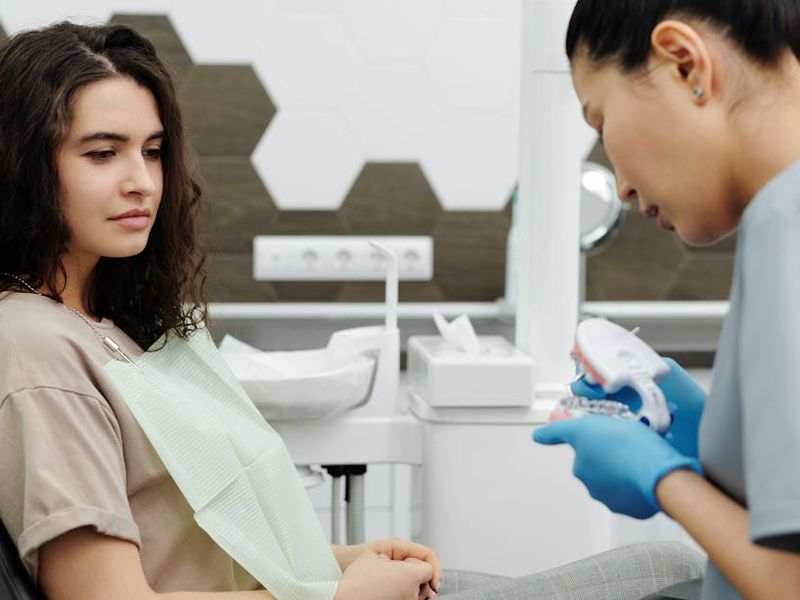
Dental etiquette in Cuenca is typically professional and patient-centered. Expect thorough explanations, and don’t hesitate to ask for diagrams or to see the proposed implant parts to better understand your treatment.
Where to Stay and Recover in Cuenca
If you’re traveling to Cuenca for implants, choosing the right neighborhood can make recovery easier. Many patients prefer accommodations near El Centro Histórico for easy access to clinics, pharmacies, and restaurants. Areas like Parque Calderón and the nearby neighborhoods are walkable and have many services geared to international visitors.
For a quieter recovery, consider staying in Yanuncay or the northern residential districts where short taxi rides bring you into the center for appointments. Many clinics can recommend nearby hotels or long-stay rentals with kitchens—handy if you’re following a soft-food diet.
Financing, Warranties, and Long-Term Maintenance
Ask about warranties for implants and prosthetics. Many clinics offer guarantees for a certain period and will outline maintenance protocols. Inquire about what happens if an implant fails—some clinics include revision surgery in their pricing or warranties.
If you need financing, clinics may offer payment plans, third-party financing, or staggered payments. Be sure to get contract terms in writing and confirm which services trigger additional fees.
Real Expat Perspectives: What People Say
Expat forums from Cuenca consistently highlight a few themes: the strong value proposition of dental care in the city, the friendliness of staff, and the importance of choosing a clinic that uses modern imaging and reputable implant systems. Patients who completed implants often report dramatic improvements in eating and smiling, and many recommend scheduling a consultation while on an extended visit to get accurate quotes and a treatment plan.
Checklist Before You Commit
Use this quick checklist to prepare for your implant journey in Cuenca:
- Get a detailed written treatment plan and cost estimate.
- Confirm the implant brand and request information about its warranty.
- Verify that the clinic uses CBCT imaging and digital planning tools.
- Read patient reviews and ask for before-and-after photos.
- Plan your travel based on the clinic’s suggested timeline (single trip vs. multiple visits).
- Arrange suitable accommodation for recovery near your clinic.
- Double-check follow-up care policies and emergency contact procedures.
Final Thoughts: Is It Worth It?
For many people—especially expats living in Cuenca—dental implants represent a worthwhile investment in health, functionality, and confidence. The combination of cost savings, skilled clinicians, modern diagnostics, and supportive local labs makes Cuenca an attractive option for implant work. As with any major dental procedure, the best outcomes come from doing your homework: choosing an experienced dentist, understanding the treatment timeline, and committing to proper aftercare.
If you’re considering dental implants in Cuenca, schedule an initial consultation, ask for a full treatment plan, and connect with other expats who have completed similar procedures. With thoughtful planning, implants can be a life-changing upgrade—and Cuenca has the resources to make it happen safely and affordably.
Frequently Asked Questions (Short Answers)
How long will an implant last?
With good oral hygiene and regular dental care, implants can last decades. Crowns may wear and need replacement over time; the titanium implant itself can be very long-lasting.
Will I need bone grafting?
It depends on the health and volume of your jawbone. Many patients require grafting if bone loss has occurred; your dentist will assess this with a CBCT scan.
How long should I plan to stay in Cuenca?
For many cases, a short stay of 5–10 days is sufficient for the surgical phase, but final restorations may require a second visit 3–6 months later unless immediate loading is possible and advised.
Is it safe to get implants abroad?
Yes, when you choose a reputable clinic with experienced staff, modern imaging, and quality implant systems. Due diligence—checking reviews, credentials, and asking detailed questions—minimizes risk.
Ready to explore dental implants in Cuenca? Start with a consultation, compare treatment plans, and use the tips in this guide to pick a clinic that combines clinical excellence with clear communication and patient-focused care.
Adam Elliot Altholtz serves as the Administrator & Patient Coordinator of the “Smilehealth Ecuador Dental Clinic“, along with his fellow Expats’ beloved ‘Dr. No Pain‘, right here in Cuenca, Ecuador, and for purposes of discussing all your Dental needs and questions, is available virtually 24/7 on all 365 days of the year, including holidays. Adam proudly responds to ALL Expat patients from at least 7:00am to 9:00pm Ecuador time, again every single day of the year (and once more even on holidays), when you write to him by email at info@smilehealthecuador.com and also by inquiry submitted on the Dental Clinic’s fully detailed website of www.smilehealthecuador.com for you to visit any time, by day or night. Plus, you can reach Adam directly by WhatsApp at +593 98 392 9606 -or by his US phone number of 1‐(941)‐227‐0114, and the Dental Clinic’s Ecuador phone number for local Expats residing in Cuenca is 07‐410‐8745. ALWAYS, you will receive your full Dental Service in English (NEVER in Spanish), per you as an Expat either living in or desiring to visit Cuenca by your Dental Vacation, plus also to enjoy all of Ecuador’s wonders that are just waiting for you to come arouse and delight your senses.