
Table of Contents
Introduction: A New Standard for Dental Imaging in Cuenca
Cuenca’s vibrant mix of local families and growing expat community is driving a modernization in dental care—and digital dental X-rays are one of the most visible upgrades. Unlike traditional film-based imaging, digital radiography connects directly to a computer, producing fast, clear images that help dentists diagnose problems earlier and communicate more effectively with patients.
What Are Digital Dental X-Rays?
Digital dental X-rays use electronic sensors instead of film to capture images of your teeth, jaw and surrounding tissues. These systems include intraoral sensors (for bitewings and periapical images), panoramic scanners (showing the whole upper and lower jaw), and higher-end cone beam CT (CBCT) units that create 3D images. Most modern dental offices in Cuenca now offer at least one form of digital imaging.
How they differ from traditional film
With film, images must be developed in a chemical bath and can take minutes to appear. Digital X-rays display instantly, are easier to enhance (brightness, contrast, zoom) and can be saved electronically. That speed and flexibility make them ideal for busy clinics in Cuenca’s historic center and growing suburban neighborhoods.
Major Advantages for Patients
Digital X-rays bring several tangible benefits that matter to patients whether they live in Cuenca permanently or are visiting as dental tourists.
- Lower radiation: Digital sensors are more sensitive than film, which typically reduces exposure by up to 60–80% depending on equipment and technique.
- Immediate results: Dentists can review images with you on a screen seconds after exposure—great for quick explanations and treatment planning.
- Improved diagnostics: Image enhancement tools help detect small fractures, early decay, bone loss and root canal anatomy more reliably than film.
- Better records and sharing: Digital files are easy to archive, print, or email to a specialist—useful if you need a second opinion from Quito or abroad.
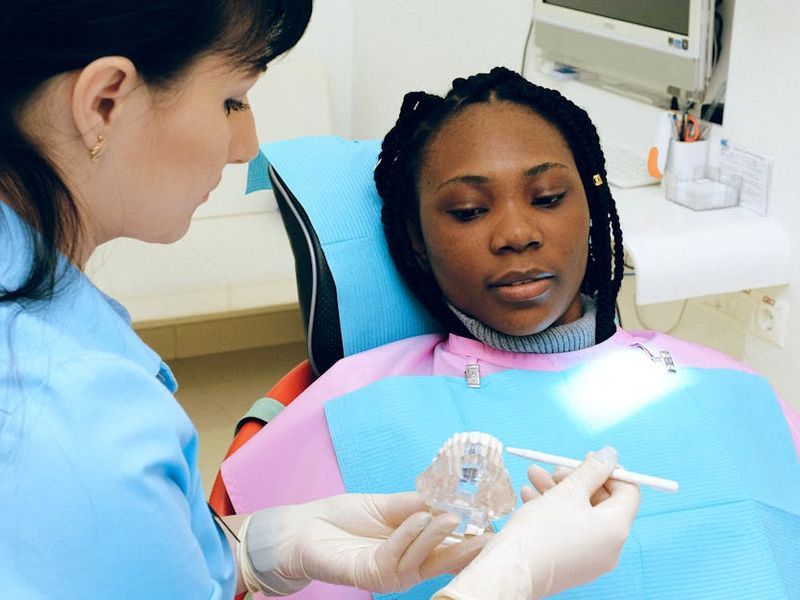
- Patient education: Seeing your own X-rays on a screen helps patients understand recommended procedures, boosting informed consent and satisfaction.
Why Digital Imaging Is Especially Helpful in Cuenca
Cuenca is a UNESCO World Heritage city with many older buildings and a strong tourism economy. For dental practices in this environment, digital radiography offers logistical and clinical advantages:
- Space efficiency: Smaller digital sensors and compact panoramic units fit better in converted colonial clinics where space is limited.
- Speed for busy patients: Expats juggling immigration paperwork, Spanish classes or part-time work value faster visits and short recovery times.
- Ease of multilingual care: Electronic images make it simple to explain findings with translated notes or to share images with bilingual colleagues.
Types of Digital Dental Imaging You’ll Find in Cuenca
Understanding the different types helps you know what to expect and why a dentist recommends a specific scan.
Intraoral digital X-rays (bitewings & periapical)
These are the most common. Bitewings are used to detect interproximal decay between teeth; periapical images evaluate the root and surrounding bone. In Cuenca clinics these are quick, low-dose exams often used for routine checkups and pre-treatment planning.
Panoramic digital X-rays
A single panoramic image displays the entire dentition, jaw joints and sinuses. Panoramics are helpful for third-molar assessments, orthodontic planning, and evaluating broad structural issues. Many private dental centers near Parque Calderón and in the El Centro district offer affordable panoramic services.
Cone Beam CT (CBCT)
CBCT provides 3D images and is indicated for implant planning, complex endodontic cases and trauma. It’s not routine and costs more, but several specialized clinics in Cuenca and nearby cities provide CBCT when needed.
Safety and Regulatory Considerations in Ecuador
Radiology in Ecuador is regulated to protect patients and staff. Dental clinics must follow national safety standards, use protective equipment like lead aprons, and maintain service records for radiologic equipment. If you’re unsure, ask the clinic to show their radiology permits or certification—reputable offices in Cuenca will be transparent about compliance.
Special populations: pregnancy and children
If you are pregnant or suspect pregnancy, inform your dentist before any X-ray. Digital X-rays significantly reduce radiation exposure, and with proper shielding most routine dental X-rays can be deferred or performed safely when absolutely necessary. Clinics will usually avoid non-urgent imaging during pregnancy and will use additional precautions for children.
Cost Expectations and Payment Tips
One of the driving factors for dental care in Cuenca is affordability. Digital X-rays tend to be cheaper than equivalent services in North America, but prices vary by clinic, equipment and image type.
- Single intraoral digital X-ray: Typically low-cost; clinics often charge per image or in small sets for bitewings.
- Panoramic digital X-ray: Generally higher than single intraoral images but still reasonable compared with international prices.
- CBCT scans: The most expensive option and usually used selectively.
Always ask for an itemized estimate before treatment. Many clinics in Cuenca accept cash, local bank transfers, and credit cards. If you have private insurance—Ecuadorian or international—check whether imaging is covered and whether you’ll need upfront payment or direct billing.
How to Choose a Dental Clinic in Cuenca for Digital X-Rays
Choosing the right clinic matters for quality and peace of mind. Here are some practical tips specific to Cuenca.
- Look for recent equipment: Ask what sensor brand they use and when their machines were last serviced. Clinics in neighborhoods popular with expats—such as near Parque Calderón—often advertise modern equipment.
- Check bilingual support: If Spanish isn’t your first language, find clinics that list English-speaking staff or have a translator available.
- Review patient policies: Ask about radiation safety, consent forms, and whether they provide digital copies of your images (on USB or via secure email).
- Read local reviews: Look for feedback from other expats on community groups, forums or Google reviews. Word of mouth in Cuenca’s expat community is often the best source for trustworthy referrals.
Tele-dentistry and Second Opinions: A Big Plus for Expats
Digital X-rays make getting a second opinion straightforward. If you’re evaluating a major procedure—like implants or root canal therapy—your Cuenca dentist can email high-resolution images to specialists in Quito or abroad. This is especially useful for expats who may split time between Ecuador and home countries, enabling continuity of care without shipping physical film.
Preparing for Your Digital X-Ray Appointment
Preparation is simple but helps the visit go smoothly:
- Bring your ID and any dental insurance cards or international insurance paperwork.
- If you have prior X-rays from another country or clinic, bring digital copies or CDs so your dentist can compare.
- Wear comfortable clothing and inform staff if you’re pregnant or have had recent radiological procedures.
- Ask whether the clinic will give you a digital copy of your X-rays—many will provide a USB or send files by secure email.
Environmental and Workflow Benefits for Clinics
Digital imaging eliminates the chemical processing required by film—reducing hazardous waste and ongoing operational costs for clinics. For dental offices in Cuenca striving for greener practices, digital radiography is a straightforward step with immediate environmental gains.
Moreover, digital workflows save chair time. Faster imaging and immediate availability shorten appointments, allowing clinics to serve more patients without sacrificing quality—an important factor in popular districts where patient demand can be high.
Common Questions Expats Ask in Cuenca
Expats new to Ecuador often ask the same practical questions. Here are short answers to the most frequent ones:
- Will the images be understandable to my foreign dentist? Yes—digital files can be viewed on common software and include measurement tools; most foreign dentists can interpret them.
- Can I receive my images via email? Most clinics can, but confirm secure transfer and file format (JPEG, DICOM).
- How many X-rays will be taken? That depends on the situation—routine exams typically use a few bitewings, while treatment planning may require panoramic or CBCT imaging.
- Is the staff trained? Ask if the radiology operator is a licensed dental assistant or radiology technician. Trustworthy clinics will explain their staff’s qualifications.
Real-world Example: Coordinating Care Between Cuenca and Home
Imagine an expat living in the Yanuncay neighborhood who needs implant planning. Their Cuenca dentist takes a CBCT and several intraoral digital images, then emails the DICOM files to the specialist in their home country for consultation. The specialist reviews the 3D images, provides a treatment plan, and the patient returns to Cuenca for the implant placement with the local dentist following the shared plan—saving time, travel, and ensuring consistent care.
Conclusion: Digital X-Rays Are a Smart Choice in Cuenca
Digital dental X-rays are more than a technological upgrade—they change how dentists diagnose, plan and communicate. For residents and expats in Cuenca, the advantages are clear: faster visits, clearer images, lower radiation, easier record-keeping and better coordination when seeking second opinions. When choosing a clinic, focus on equipment quality, staff training, and transparency about safety and costs. With those elements in place, digital imaging can make dental care in Cuenca safer, more efficient and more comfortable for everyone.
If you’re planning a dental visit in Cuenca, ask about digital imaging before your appointment—request to see sample images and confirm you’ll receive copies. Most clinics are happy to accommodate and will appreciate an informed patient who wants the best care possible.