
Table of Contents
Introduction: More Than Just a Smile
Dental implants have become the gold standard for replacing missing teeth, and Cuenca is fast gaining a reputation as a destination where quality care meets affordable prices. Whether you’re an expat settling into Ecuador or a traveler considering dental tourism, understanding the benefits of implants in Cuenca helps you make an informed, confident choice.
What Makes Cuenca a Smart Place for Dental Implants?
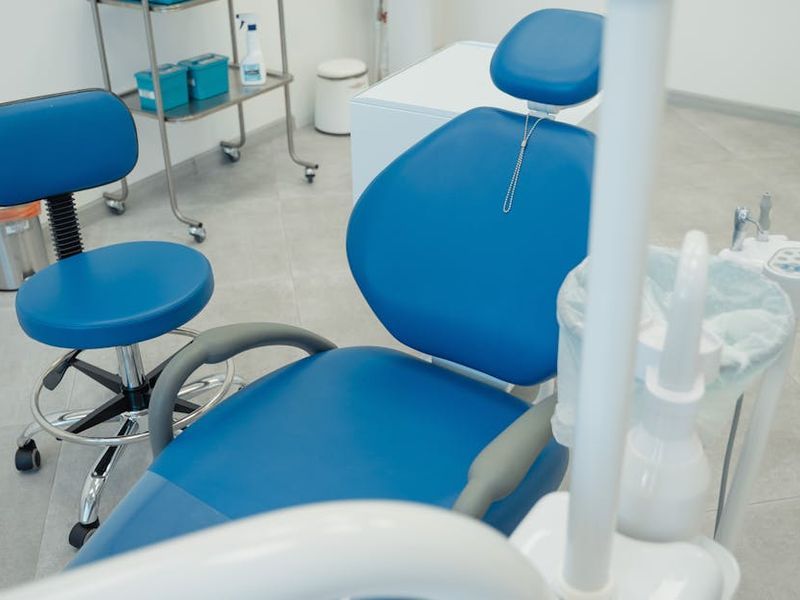
Cuenca combines several factors that make it attractive for dental work: a growing community of experienced dentists, modern clinics equipped with digital tools, a bilingual workforce, and an overall cost structure that is significantly lower than in North America or Europe. The city’s Medical and Dental community has embraced technologies like 3D cone beam CT (CBCT) imaging, intraoral scanners and CAD/CAM restorations, enabling precise planning and predictable outcomes.
Accessibility and Convenience
Cuenca is accessible via direct domestic flights and has a compact historic center where many clinics and accommodations are concentrated. The city’s size makes follow-up visits and aftercare more convenient than in sprawling urban areas. For expats already living in the city, this convenience turns a multi-step treatment like implants into a manageable, local health plan rather than a major logistics project.
Key Benefits of Dental Implants Compared to Other Options
Dental implants replace the tooth root as well as the visible crown. That difference has important functional and biological advantages:
- Bone preservation: Implants stimulate the jawbone and help prevent the bone loss that usually follows tooth removal.
- Superior chewing efficiency: Implants restore bite strength more closely to natural teeth compared with dentures or bridges.
- Longevity: With proper care, implants often last decades. They are a long-term investment versus bridges that may need replacement every 7–15 years.
- Adjacent tooth preservation: Unlike traditional fixed bridges, implants do not require grinding down neighboring teeth.
- Comfort and confidence: Implants feel and look more like natural teeth, improving speech and self-esteem.
What to Expect When Getting Implants in Cuenca
The implant journey typically involves several stages. Most clinics in Cuenca follow internationally accepted protocols and often include digital diagnostics for planning.
- Consultation and imaging: Expect a clinical exam, panoramic x-rays, and often a CBCT scan to assess bone volume and anatomy.
- Planning: Using scans and digital models, the dentist will plan implant placement and choose the right type of implant and abutment.
- Surgery: The implant (a titanium or zirconia screw) is placed in the jaw. Many practices offer local anesthesia and sedation options for anxious patients.
- Healing period: Osseointegration (bone growing around the implant) usually takes 3–6 months depending on the case and whether bone grafting was needed.
- Final restoration: Once healed, the final crown, bridge or overdenture is attached.
Immediate vs Conventional Loading
Some patients qualify for immediate-load implants, where a temporary crown or bridge is attached on the same day. Many clinics in Cuenca offer this option for selected cases, but conventional loading (waiting for healing) remains the most predictable approach for complex situations.
Costs and Value: What You’ll Pay in Cuenca
One of the main reasons patients choose Cuenca is cost savings without compromising quality. While prices vary depending on the clinic, implant brand, and case complexity, here are typical ranges you can expect:
- Single implant (implant + abutment + crown): roughly $700–$1,800
- Bone grafting or sinus lift (if required): $200–$800
- Full-arch implant-supported dentures: $6,000–$15,000 depending on the system and materials
Compared to U.S. or Canadian pricing, these figures often represent a 50–70% savings. That difference can make implants affordable to patients who otherwise couldn’t pursue them.
Choosing a Dentist in Cuenca: Practical Tips
Not all clinics are the same—here’s how to evaluate providers to ensure quality and safety:
- Credentials: Ask about the dentist’s education, continuing education, and any international affiliations or certifications.
- Technology: Prefer clinics that use CBCT imaging, digital planning, and in-house or partnered dental labs for faster, precise results.
- Implant systems: Reputable brands (internationally recognized manufacturers) are preferable because they offer reliable components and long-term availability of parts.
- Before-and-after photos: Request case examples similar to yours, and ask for references or patient testimonials if available.
- Warranties and follow-up: Confirm what aftercare is included, how follow-up appointments are handled, and whether there is a warranty on the prosthesis.
Language and Communication
Many dental clinics in Cuenca have bilingual staff, and smaller private practices that regularly treat expats will often communicate fluently in English. Still, it’s helpful to have questions prepared in advance—and to get treatment plans and cost estimates in writing.
Health Considerations and Medical Clearance
Dental implants are safe for most people, but certain health conditions affect treatment planning and healing. If you have diabetes, osteoporosis, or are on medications that affect bone metabolism, share this information with your dentist. Smoking impacts healing and implant success, so quitting or minimizing smoking around the time of surgery is strongly recommended.
Bring a list of current medications and relevant medical records to your first appointment to streamline consultations and ensure safe care.
Recovery, Aftercare, and Long-Term Maintenance
Recovery from implant surgery is usually manageable. Most patients experience mild to moderate swelling and discomfort for a few days. Follow the dentist’s post-op instructions, which commonly include:
- Soft diet for a week or two
- Salt-water rinses and careful oral hygiene
- Avoiding smoking and excessive alcohol
- Taking prescribed antibiotics or anti-inflammatories if indicated
Long-term success depends on excellent oral hygiene and regular dental exams. Professional cleanings and checkups every 6–12 months help detect problems early and keep implants healthy.
Practical Logistics for Expats and Dental Tourists
If you’re traveling to Cuenca specifically for implants, planning helps reduce stress and ensure continuity of care:
- Initial consult remotely: Many clinics will review photos and x-rays email or video call and provide a preliminary plan and estimate.
- Plan multiple visits: Complex cases often require two or more visits separated by healing time. Coordinate travel and lodging accordingly.
- Airport and transport: Cuenca’s airport (Mariscal La Mar, CUE) has regular domestic flights and easy ground transport. The historic center is compact and walkable; taxis are affordable for appointments outside downtown.
- Accommodation: Choose a place close to your clinic for easier attendance at follow-ups—many visitors choose neighborhoods near the city center to be close to restaurants and services.
- Cost planning: Confirm what is included in the estimate (materials, lab fees, follow-up visits, potential complications) so there are no surprises.
Realistic Expectations and Common Myths
Implants are highly successful, but they are not invulnerable. Factors such as poor oral hygiene, uncontrolled systemic disease, and smoking increase failure risk. It’s also common for people to assume that cheaper always equals inferior quality—but Cuenca’s competitive market means you can find excellent care at lower price points because of lower overhead and local economics, not because of lower clinical standards.
Questions to Ask During Your Consultation
Equip yourself with a shortlist of questions to ensure clarity:
- Which implant brand and materials will you use?
- Do you use CBCT scanning and digital planning for my case?
- What is included in the quoted fee? Are follow-up visits and x-rays covered?
- What are the expected timeframes and stages of treatment?
- What is your complication/failure protocol?
- Can you provide references or before-and-after cases like mine?
Conclusion: Balancing Cost, Quality, and Long-Term Benefits
Choosing dental implants in Cuenca can be an excellent investment—financially and for your quality of life—when you select a reputable clinic, understand the treatment steps, and follow recommended aftercare. Cuenca’s blend of experienced clinicians, up-to-date technology, and lower costs make it an attractive option for expats and dental tourists alike. With thoughtful planning and realistic expectations, implants placed in Cuenca can restore function, preserve bone, and deliver a natural-looking smile that lasts for years.
Next Steps
Start by requesting a preliminary consultation, gathering your medical and dental history, and comparing written treatment plans from two or three clinics. That research will help you balance short-term costs against the long-term benefits of a durable, comfortable restoration.
Whether you’re replacing a single tooth or planning a full-arch restoration, Cuenca offers options that deserve serious consideration—especially for those seeking value without sacrificing quality.