
Table of Contents
Introduction: Is Cuenca the Right Place for Your Dental Implant?
If you’re weighing the decision to get dental implants, Cuenca, Ecuador deserves a close look. Renowned for its blend of high-quality dentistry and lower prices than North America and Europe, Cuenca attracts both locals and international patients seeking lasting tooth replacement solutions. This article walks you through the real benefits, what to expect, and practical tips for a successful implant experience in this Andean city.
What Makes Dental Implants Worth the Investment?
Dental implants replace a lost tooth root with a titanium or ceramic post that supports a crown, bridge, or denture. Compared with removable dentures or bridges, implants offer several important advantages:
- Bone preservation: The implant stimulates the jawbone and helps prevent the bone loss that follows tooth extraction.
- Function and comfort: Implants allow you to chew naturally and speak with confidence because they integrate with the jawbone.
- Durability: With proper care, implants last many years — often decades — reducing long-term costs and the need for repeated fixes.
- Aesthetics: Modern implant crowns are designed to match surrounding teeth in color, shape, and translucency.
- Overall health: Implants can improve nutrition by restoring chewing efficiency and may reduce the risk of adjacent teeth shifting.
Why Cuenca Offers Exceptional Value
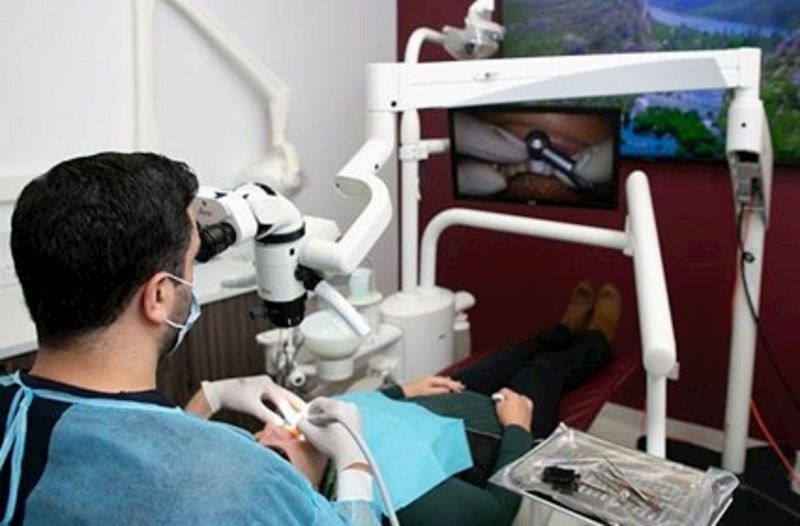
Cuenca’s appeal for dental care comes from a combination of quality, cost, and convenience. The city is a regional hub for medical and dental services, with modern clinics that employ digital imaging, CBCT (cone beam computed tomography), and computer-guided implant planning. What sets Cuenca apart is the lower overhead: staff costs, rent, and local supply expenses are typically less than in the U.S. or Europe, so clinics can offer more competitive prices without cutting corners on materials or training.
Many dentists in Cuenca have trained abroad or completed continuing education courses in implant dentistry. Clinics often partner with local labs that can fabricate crowns quickly using CAD/CAM milling. All of this adds up to treatment standards that can meet or exceed expectations at a fraction of the cost.
Cost Breakdown: What to Expect Financially
Exact fees vary by clinic, implant system, and complexity, but understanding the components helps you budget:
- Consultation and imaging: Initial exam, X-rays, and CBCT scans.
- The implant fixture: The titanium or ceramic post surgically placed in the jaw.
- Abutment: The connector piece that holds the crown to the implant.
- Crown or prosthesis: The visible tooth replacement (single crown, bridge, or denture).
- Bone grafting or sinus lift: If you need additional bone, these procedures increase cost and healing time.
- Follow-up and maintenance: Check-ups, occasional adjustments, and hygiene visits.
As a practical guideline, many patients find that even after factoring in travel and accommodations, Cuenca dental implants can be substantially cheaper than equivalent care in North America or Europe. Always ask clinics for itemized quotes so you can compare apples to apples.
Types of Implants and Solutions Commonly Offered in Cuenca
Clinics in Cuenca typically offer a full range of implant options to suit different budgets and clinical scenarios:
- Single-tooth implants: Best for replacing one missing tooth without affecting neighboring teeth.
- Implant-supported bridges: Used when several adjacent teeth are missing.
- Implant-retained overdentures: A secure upgrade from conventional dentures, improving stability and chewing ability.
- All-on-4 and full-arch solutions: For patients needing an entire arch replaced, these protocols can offer fixed teeth on four or more implants, sometimes with immediate loading.
- Mini implants: A lower-cost option for denture stabilization or small-diameter requirements, though not always suitable for every case.
Clinical Standards and What to Look for in a Cuenca Dentist
When selecting a clinic, prioritize these practical criteria:
- Training and certifications: Ask about specialization in implantology, memberships in professional associations, and continuing education.
- Diagnostic tools: Confirm availability of CBCT scans and digital impressions, which improve planning accuracy.
- Implant brands and materials: Reputable clinics use well-known implant systems and high-quality crowns; inquire about warranties.
- Laboratory capabilities: On-site or local labs using CAD/CAM technology can speed crown fabrication and ensure a better fit.
- Hygiene and sterilization: Look for modern infection control protocols and a clean, professional environment.
- Language and communication: Many Cuenca dentists and staff speak English, especially those who work with expat communities — but always verify before booking.
Questions to Ask During a Consultation
Bring a checklist to your first visit. Key questions include:
- What implant system will you use and why?
- What are the expected timelines for surgery and crown placement?
- Will a local dental lab fabricate my crown? Can I see examples of previous work?
- What guarantees or warranties are provided?
- How many follow-up visits are necessary, and what happens if I live abroad?
Timing and Treatment Planning: How Long Will It Take?
Treatment duration depends on the complexity. A straightforward single implant often involves:
- Initial evaluation and CBCT planning (1 visit)
- Implant placement (surgery visit)
- Healing period for osseointegration (commonly 2–4 months)
- Placement of abutment and impression for crown
- Crown delivery (final visit)
Some clinics offer immediate-load options — crowns or temporary prostheses attached within days — but eligibility depends on bone quality and the implant system. Full-arch reconstructions like All-on-4 may require a different schedule, sometimes with staged visits over several months.
Practical Travel and Stay Tips for Foreign Patients
Many expats and medical tourists combine dental care with an extended stay in Cuenca. Here are practical tips to make the process smoother:
- Book a preliminary virtual consultation: Many clinics offer telehealth meetings to review X-rays and discuss options before you travel.
- Plan your timeline conservatively: Schedule buffer days for unexpected adjustments, especially if grafts are needed.
- Stay central: Choose lodging near the historic center or parks like Parque Calderón to be close to many clinics and services.
- Bring medical records: Pack previous dental charts, X-rays, and a list of medications to speed diagnosis.
- Consider a companion: Having a friend or partner travel with you can be helpful for post-op care and logistics.
Aftercare and Recovery — What to Expect in Cuenca’s Climate and Altitude
Cuenca sits at about 2,500–2,600 meters (around 8,400 feet) above sea level. While most healthy patients tolerate the elevation well, a few practical considerations apply to implant recovery:
- Hydration: The highland air is drier; drink plenty of water to support healing.
- Medication and oxygen considerations: If you have respiratory or cardiovascular conditions, discuss anesthesia and post-op medications with your dentist and general physician before travel.
- Nutrition: Soft, nutrient-rich foods are recommended during early healing. Cuenca offers excellent fresh produce and soups that fit this need.
- Follow-up visits: Schedule at least one in-person check-up within the first two weeks, with additional visits as recommended.
How to Protect Your Investment: Maintenance and Longevity
Implants are a durable solution, but they require ongoing care. Tips to maximize longevity include:
- Brush twice daily and use interdental brushes or floss designed for implants.
- Keep routine professional cleanings every 3–6 months if advised by your dentist.
- Avoid smoking or quit before implant surgery, as tobacco impairs healing.
- Use a nightguard if you grind your teeth to prevent undue stress on the implant crown.
- Schedule periodic X-rays to monitor bone levels and implant integration.
Common Concerns and How Cuenca Clinics Address Them
Prospective patients often have specific worries. Here’s how many reputable Cuenca clinics handle them:
- Infection risk: Strict sterilization protocols and antibiotics when indicated reduce complications.
- Language barriers: English-speaking staff or interpreters are commonly available; ask beforehand to ensure smooth communication.
- Aftercare when returning home: Good clinics provide detailed post-op instructions, emergency contact information, and can coordinate with your home dentist if needed.
- Warranty and follow-up: Ask about written guarantees for the implant components and what follow-up care is included.
Real Patient Considerations: Stories Without Names
Many patients report life-changing benefits after getting implants in Cuenca: improved confidence when smiling, the ability to enjoy foods they’d avoided, and fewer long-term dental costs compared with older denture solutions. Others highlight the human side — warm staff, efficient appointments, and the pleasant recovery environment of Cuenca’s historic districts and nearby parks.
Keep in mind individual outcomes vary. Success depends on factors like bone quality, systemic health, smoking status, and adherence to aftercare. A thorough clinical evaluation and clear planning can minimize surprises.
Practical Checklist Before Booking Your Implant in Cuenca
Use this checklist to prepare:
- Obtain a copy of your dental and medical history.
- Request a detailed, itemized treatment plan and timeline from the clinic.
- Confirm implant brands and guarantee policy in writing.
- Schedule a virtual pre-op consultation if possible.
- Arrange travel, lodging near the clinic, and someone to assist you for the first 24–48 hours after surgery.
- Plan finances: deposit, payment terms, and any refund policy if additional treatment is required.
Final Thoughts: Is It Right for You?
Dental implants in Cuenca represent a compelling balance of affordability and clinical quality for many patients — especially expats who already live in Ecuador or those willing to travel for care. The city’s modern clinics, experienced practitioners, and supportive expat community make it an attractive option. But thorough due diligence is essential: research providers, understand the entire treatment plan and costs, and prepare for follow-up care.
When approached thoughtfully, dental implants can be more than a cosmetic upgrade — they’re an investment in function, health, and long-term quality of life. Cuenca offers a realistic, high-value path to that outcome for many patients.
Next Steps
If you’re interested, start by requesting virtual consultations and itemized quotes from a few clinics in Cuenca’s central neighborhoods. Compare treatment philosophies and ask for patient references or photo portfolios. With the right preparation, you can enjoy the benefits of modern implant dentistry without the premium price tag elsewhere.
Adam Elliot Altholtz serves as the Administrator & Patient Coordinator of the “Smilehealth Ecuador Dental Clinic“, along with his fellow Expats’ beloved ‘Dr. No Pain‘, right here in Cuenca, Ecuador, and for purposes of discussing all your Dental needs and questions, is available virtually 24/7 on all 365 days of the year, including holidays. Adam proudly responds to ALL Expat patients from at least 7:00am to 9:00pm Ecuador time, again every single day of the year (and once more even on holidays), when you write to him by email at info@smilehealthecuador.com and also by inquiry submitted on the Dental Clinic’s fully detailed website of www.smilehealthecuador.com for you to visit any time, by day or night. Plus, you can reach Adam directly by WhatsApp at +593 98 392 9606 -or by his US phone number of 1‐(941)‐227‐0114, and the Dental Clinic’s Ecuador phone number for local Expats residing in Cuenca is 07‐410‐8745. ALWAYS, you will receive your full Dental Service in English (NEVER in Spanish), per you as an Expat either living in or desiring to visit Cuenca by your Dental Vacation, plus also to enjoy all of Ecuador’s wonders that are just waiting for you to come arouse and delight your senses.