
Table of Contents
Introduction: Dental Tourism That Feels Like a Vacation
Choosing where to get major dental work — implants, crowns, or veneers — is about more than price. It’s about safety, quality, convenience, and recovery. For many patients from the U.S. and Canada, Cuenca, Ecuador has emerged as the best place in the world for dental tourism. It combines dramatic cost savings (commonly 60–70% less than U.S./Canadian prices) with highly trained clinicians, modern technology, short waits, and a beautiful, low-stress environment ideal for healing.
Why Cuenca Beats the Competition on Cost
Cost is the most visible advantage of dental tourism in Cuenca. A full dental implant (implant, abutment, and crown) in the U.S. often costs between $3,500 and $6,000. In Cuenca, comparable packages commonly run between $700 and $1,500. That’s roughly 60–70% savings — money that can fund multiple procedures, a companion’s airfare, and a comfortable recovery stay.
Examples of typical price ranges you’ll see in Cuenca:
- Single dental implant with crown: $700–$1,500 (vs. $3,500–$6,000 in the U.S.)
- All-ceramic crown: $200–$400 (vs. $800–$1,500)
- Porcelain veneers per tooth: $250–$600 (vs. $900–$2,500)
These savings aren’t cosmetic — they’re real, repeatable, and why many patients fund higher-quality full-mouth work in Cuenca that would be prohibitively expensive at home.
World-Class Dentists Trained at Top Universities
Cuenca’s leading dental clinics are staffed by dentists who trained at top universities in Ecuador, Latin America, Europe, and North America. Many hold postgraduate degrees in implantology, prosthodontics, and oral surgery and participate in ongoing continuing education and international workshops.
It’s common to find clinicians certified to place systems from globally respected implant manufacturers such as Straumann, Nobel Biocare, and Zimmer. That means you’re getting internationally recognized materials and protocols — not second-rate hardware.
Modern Clinics and Cutting-Edge Technology
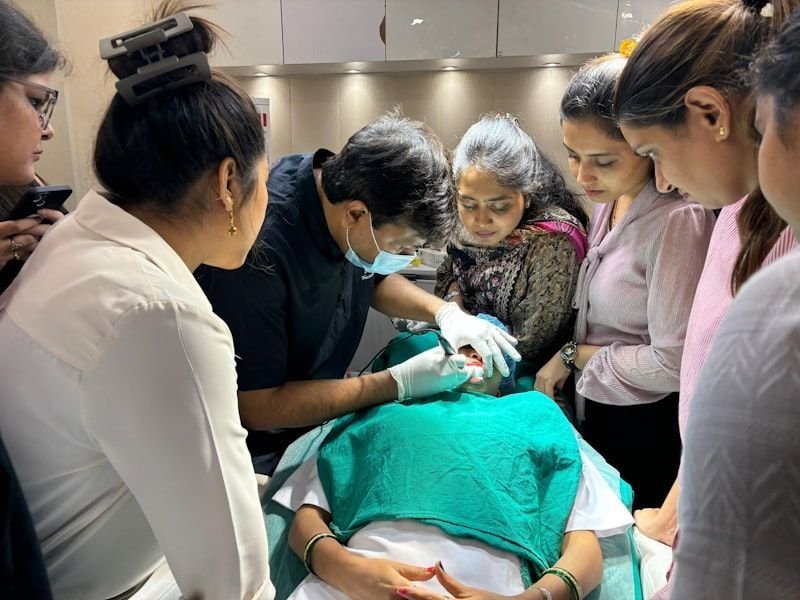
The best clinics in Cuenca are modern, clean, and equipped with the same digital tools you’d expect in a U.S. or Canadian office: 3D cone-beam CT (CBCT) imaging, CAD/CAM milling systems, digital impressions, guided surgery planning, and ultrasonic sterilization. These technologies improve accuracy, reduce chair time, and enhance outcomes.
Many clinics offer full digital workflows: you’ll receive a 3D scan and a treatment plan that can include predictable guided implant placement and milled crowns or temporary prostheses delivered quickly — perfect for a dental vacation schedule.
Short Wait Times and Efficient Scheduling
One of the frustrations of getting dental work at home is the long wait for specialists and lab work. In Cuenca, leading clinics often provide consultations and surgical appointments within days, not months. This speed is a major advantage for people who have tight travel windows or want to compact multiple procedures into a single trip.
Many clinics coordinate the whole timeline for you: initial virtual consult and quote, arrival for scans and impressions, surgery and temporary restorations, and follow-up checkups — often all within one to two weeks for certain procedures.
Personalized, One-on-One Care
Cuenca’s clinics pride themselves on personalized service. Smaller patient volumes compared to large urban U.S. practices mean you’ll often receive direct attention from the dentist rather than only hygenist or technician hand-offs. This one-on-one approach extends to pre-op consultation, surgical care, and detailed aftercare instructions tailored to your medical history.
Many clinics offer bilingual coordinators, airport pickup, and hotel arrangements. Patients often report feeling more cared-for and listened to in Cuenca than in larger domestic dental centers.
The Ideal Recovery Environment: Heal in a UNESCO World Heritage City
Recovery matters. Cuenca’s mild climate (elevation roughly 2,560 meters / 8,400 feet), clean air, welcoming pace, and walkable colonial center create an ideal backdrop for healing after surgery. You can recuperate in charming, comfortable hotels, enjoy gentle strolls through Parque Calderón, and relax by the Tomebamba River without the stress of big-city crowds.
Local cuisine is gentle and fresh — soups, grilled fish, and seasonal produce — perfect for post-op diets. Nearby attractions (Museo Pumapungo, El Barranco, artisan markets in Chordeleg) make light, low-impact day trips that keep you rested but entertained.
Combine Treatment with a Memorable Vacation
Dental tourism doesn’t mean sacrificing leisure. Cuenca offers an enriching balance of culture, nature, and comfort. After an implant placement or veneer bonding, you can sip coffee in charming plazas, visit nearby Cajas National Park for a panoramic day trip, or shop for handmade silver in Gualaceo and Chordeleg.
For those bringing companions, Cuenca is easy to enjoy: museums, pottery studios, art cafés, and gentle hikes offer recovery-friendly options, so a dental trip doesn’t mean a boring stay for anyone involved.
Safety, Licensing & Quality Controls
Cuenca’s top clinics follow strict sterilization practices and use internationally recognized materials. Dentists are licensed and many participate in Ecuador’s dental associations or hold international certificates. Clinics frequently welcome third-party inspections and transparently show before/after cases and patient testimonials.
It’s smart to verify credentials: ask for degree information, postgraduate training, and which implant systems they use. Request references and before/after photos for cases similar to yours to assess predictable results.
How to Plan a Dental Trip to Cuenca: Practical Steps
Planning ahead makes the experience smooth and guarantees the best outcomes. Here’s a step-by-step checklist:
- Request a virtual consult: Send dental records and current x-rays. Many clinics offer free initial video consults and itemized quotes.
- Verify credentials: Ask for the dentist’s degrees, postgraduate training, and implant brand experience.
- Confirm materials and warranties: Inquire about implant brands, crown materials (zirconia, E.max), and any guarantees.
- Book flights and transform plans: Fly into Cuenca’s Mariscal Lamar Airport (CUE) or connect via Guayaquil/Quito. Airport is about 20–30 minutes from the historic center.
- Plan recovery time: For single implants with delayed loading, expect 2–3 visits over 3–6 months. Many clinics combine procedures and offer implant-and-temporary options for shorter stays.
- Arrange accommodation: Choose a centrally located hotel in the historic center for easy access to clinics and gentle walks.
- Arrange follow-up: Understand the local follow-up schedule and coordinate with a home dentist for long-term maintenance.
Realistic Timelines: What to Expect
Timelines vary by procedure and individual healing. Typical scenarios:
- Single implant with traditional osseointegration: Initial visit for planning and placement, return home for healing (3–4 months), and then return for abutment/crown — though some clinics provide a temporary crown for immediate aesthetics.
- Immediate-load implants (e.g., All-on-4): Possible to place and deliver a temporary prosthesis within a few days; final prosthesis often follows in months.
- Crowns and veneers: Often completed in one trip over 3–7 days when clinics use CAD/CAM and local labs.
Discuss timelines with your clinic to match your travel availability. Many patients split treatments into staged visits to minimize time away from home.
Practical Tips for a Smooth Trip
- Bring a copy of medical history and list of medications. Disclose any health conditions (diabetes, heart conditions) that may affect healing.
- Pack comfortable clothing, sunglasses (to reduce swelling appearance), and any preferred pain meds (after confirming with the dentist).
- Carry a printed itemized quote and treatment timeline. Confirm what’s included: materials, lab costs, anesthesia, and postoperative checks.
- Plan for at least a few relaxed days post-surgery. Even simple crown work benefits from low-stress time.
- Coordinate with your home dentist: Ask for a written report to bring back for continuity of care.
Common Questions Patients Ask
Are the implants and crowns the same quality as at home?
Yes — many Cuenca clinics use top international brands and high-grade ceramics. The major difference is lower labor and overhead costs, which translates into lower patient prices without cutting materials quality.
Is it safe to travel after implant surgery?
Most patients are cleared to fly after a short recovery if they feel well and follow care instructions. Your dentist will advise timing based on the procedure and your health. Gentle walks around town are often recommended as part of recovery.
How do I choose the right clinic?
Look for transparent pricing, accessible pre-op consultations, visible credentials, before/after galleries, and clear follow-up plans. Clinics offering coordinated services (transport, translator, hotel partners) are often more experienced with international patients.
Why Cuenca Is the Best Place in the World for Dental Tourism
Summing up: Cuenca offers the complete package. You get world-class clinicians trained at top institutions, modern clinics using advanced digital tools, and internationally recognized implant systems — all at a fraction of U.S./Canadian costs. Add short wait times, personalized one-on-one care, and the restorative ambiance of a UNESCO colonial city with excellent food and gentle outdoor options, and it becomes clear why many people call Cuenca the best place on earth for dental implants, crowns, and veneers.
Final Thoughts: Value, Quality, and Peace of Mind
If you’re weighing a major dental procedure, consider the total value — not just the sticker price. In Cuenca, lower costs don’t mean compromises. Instead you’ll often find superior patient attention, flexible scheduling, and the chance to recover in a beautiful setting that actually aids healing. That combination of quality, affordability, convenience, and environment is why Cuenca stands out as the premier dental tourism destination for implants, crowns, and veneers.
Ready to explore options? Start with a virtual consult and an itemized treatment plan — then book a comfortable stay in Cuenca and turn a necessary dental procedure into one of the best trips you’ll ever take.