
Table of Contents
Introduction: A smarter way to get dental implants and still enjoy a vacation
If you need dental implants but dread the price tags and long waits in your home country, Cuenca, Ecuador offers a compelling alternative: world-class dental care combined with one of South America’s most beautiful and comfortable cities for recovery and leisure. In fact, Cuenca stands out as the best place in the world for dental tourism and dental vacations because it couples dramatic cost savings with modern clinics, highly trained dentists, short wait times, and a spectacular environment to recuperate.
Why Cuenca beats other dental tourism destinations
Not all dental tourism locations are created equal. Cuenca’s combination of quality, economy, and environment is rare. Here’s what makes it exceptional:
- Big cost savings: Expect 60–70% lower prices on implants, crowns, and veneers compared with the US and Canada. That kind of saving can turn a stressful medical bill into an affordable, life-changing trip.
- Highly trained dentists: Many dentists in Cuenca train abroad and maintain international certifications. They speak English, follow modern protocols, and participate in continuing education.
- Modern clinics and technology: Cuenca clinics routinely use CBCT scans, digital impressions, 3D implant planning, and guided-surgery techniques.
- Short wait times and personalized service: Unlike long appointment backlogs in many countries, most Cuenca clinics offer faster scheduling and attentive, tailored care.
- Recovery-friendly city: With its mild climate, parks, gentle pace of life, and easy access to nature, Cuenca is an ideal place to rest after oral surgery.
How the dental implant process works — and how to plan it as a vacation
Understanding the timeline helps you plan both surgery and sightseeing. A typical implant workflow is:
- Initial consultation and imaging (often before travel or on arrival)
- Implant placement surgery
- An osseointegration healing period (commonly 8–12 weeks; some cases shorter with immediate-load implants)
- Abutment placement and final crown or prosthesis
Many visitors plan a two-trip approach: a 1–2 week stay for surgery and immediate recovery, then return after the healing phase to receive the final crowns. In some cases, clinics offer immediate loading (temporary crowns placed the same day), which can reduce travel. Discuss options with your chosen dentist and have clear, written treatment plans before booking flights.
Financial advantages: real numbers and how much you can save
Cost is often the primary motivator. While prices vary by case complexity and implant system, here are realistic comparative figures to illustrate savings:
- In the US/Canada, a single implant with crown can run $3,000–$6,000.
- In Cuenca, comparable treatment typically costs 60–70% less — often in the $900–$2,000 range per implant with crown, depending on materials and brand.
Those savings can cover airfare, comfortable accommodations, and sightseeing. For larger restorations — full-arch implants or multiple units — the total difference becomes even more dramatic. That means you can get high-quality restorations and still have funds left over for travel and a nicer recovery stay.
Quality and safety: modern clinics, international standards
Cuenca’s top clinics are equipped with digital X-rays, CBCT (cone beam) imaging, intraoral scanners, and on-site labs. Dentists here often use reputable implant systems recognizable worldwide. Infection control protocols meet international expectations, and staff frequently speak English.
Many practitioners have training or fellowships abroad and maintain memberships in professional organizations. Before committing, ask a prospective clinic for details on equipment, sterilization processes, implant brands, and references from international patients. Reputable clinics will provide case photos, patient testimonials, and a clear written treatment plan with timelines and costs.
Why the city itself is ideal for recovery
Cuenca’s environment supports both physical healing and emotional rest. Key factors include:
- Mild climate: The Andes location gives Cuenca a temperate, spring-like climate year-round — comfortable for healing without extreme heat or cold.
- Compact, walkable historic center: Staying near Parque Calderón means short taxi or walk times to clinics, markets, and restaurants — less stress while recuperating.
- Green spaces: Parks and riverside promenades offer gentle places for short walks, which aid circulation without overexertion.
- Low-stress pace of life: Compared with busy cities, Cuenca has a relaxed rhythm and an excellent expat community that helps visitors feel at home.
Combine these benefits with local comforts (US dollar currency, excellent food, friendly service) and you have an ideal recovery destination.
Top activities that fit a dental recovery timeline
Not every tourist activity is appropriate after oral surgery. Choose gentle, low-impact options that won’t stress the body or destabilize healing implants:
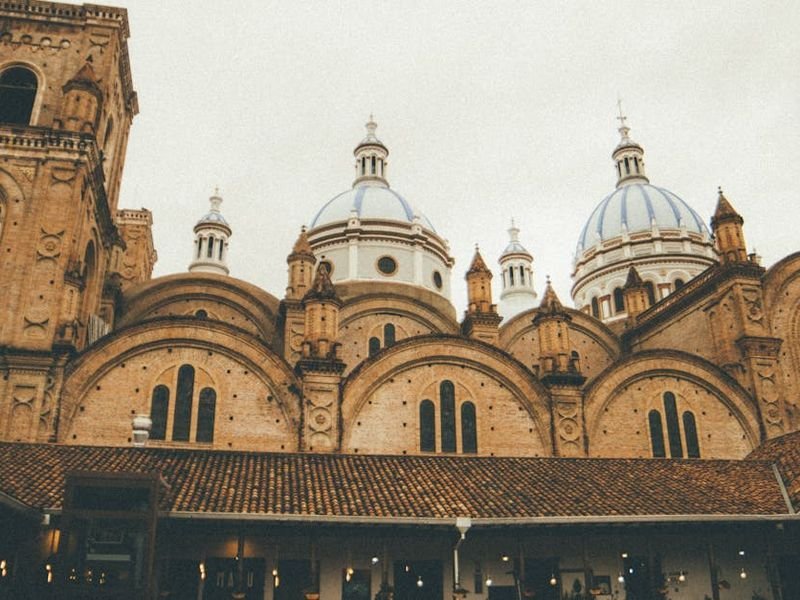
- Short historic walking tours: Explore the UNESCO-listed old town and Catedral without long hikes.
- Riverside promenades: The Tomebamba River walkways are flat and calming.
- Museums and artisan markets: Visit museums or browse Chordeleg and Gualaceo’s jewelry and textile markets for shopping without exertion.
- Scenic drives: Take day trips to El Cajas National Park (easy viewpoints), Ingapirca ruins, or nearby thermal baths that don’t require heavy hiking.
- Gentle spa or massage: Many hotels and day spas offer low-impact treatments suitable after discussing with your dentist.
Practical planning tips for a successful dental vacation
Plan carefully to reduce stress and ensure medical continuity.
- Start with a remote consultation: Send your dental records and photos to clinics in Cuenca ahead of time. Many will provide a preliminary plan and quote.
- Confirm language support: Ensure the clinic has English-speaking staff or arrange an interpreter, especially for surgical days.
- Ask about implant brands and guarantees: Reputable clinics use known implant systems and offer warranties or written follow-up agreements.
- Book accommodations near your clinic: Staying in or near Cuenca’s historic center reduces transit time and makes aftercare easier.
- Plan conservative sightseeing: Keep your first few days low-key and reserve robust activities for later in your stay or a return trip.
- Bring a medical kit: Pack prescribed antibiotics, pain meds (if permitted), soft-food staples, a salt rinse supply, and a reusable cold pack.
- Check entry rules and health requirements: Ecuador generally grants many nationalities a 90-day tourist visa on arrival, and the US dollar is the local currency, simplifying finances.
- Factor altitude into anesthesia planning: Cuenca sits at about 2,560 meters (8,400 ft). Discuss sedation and medical history with your dentist and, if applicable, your doctor to ensure safe anesthesia choices.
Choosing the right clinic and dentist in Cuenca
Do your homework. Look for the following when evaluating clinics:
- Before-and-after galleries and patient testimonials from international visitors
- Clear, itemized treatment plans with timelines
- Use of modern diagnostics (CBCT, digital scanning)
- Transparent pricing, including any follow-up or complication coverage
- Comfortable facilities and bilingual staff
Request references or speak with former patients if possible. Many clinics in Cuenca specialize in dental tourism and are accustomed to coordinating care for international visitors, including airport pickup and accommodation recommendations.
What to expect on surgical and recovery days
Surgery day routines are typically calm and efficient. Expect the following:
- Pre-op imaging and review with the surgeon
- Local anesthesia (with or without sedation) and sterile surgical environment
- Clear post-op instructions and prescriptions, including antibiotics and pain management
- Follow-up appointments scheduled before you leave
During recovery, stick to soft foods, avoid heavy lifting, and maintain oral hygiene as instructed. Cuenca’s markets and grocery stores make it easy to find nutritious, soft options like avocados, yogurt, soups, and cooked vegetables.
Safety, insurance, and aftercare
While many US and Canadian insurances won’t cover procedures abroad, the cost savings typically offset that. Still, ask your insurer about any coverage for complications and consider purchasing short-term medical travel insurance that covers dental procedures or postoperative emergencies.
Aftercare is critical. Reputable clinics provide clear emergency contacts, schedule follow-ups, and coordinate with local pharmacies and labs. Plan to communicate with your home dentist as well; provide them with the implant brand and treatment details so they can assist with long-term maintenance.
Real-world examples: how patients blend treatment and travel
Couples, retirees, and solo travelers all use Cuenca as a base for dental care. For example, one couple scheduled two implants and a bridge, stayed 10 days to complete the surgical phase and recovery, and spent afternoons exploring the old town and nearby artisan villages. Another retiree chose staged treatment: a 2-week first trip for surgery and short recovery, then a follow-up visit after healing to get the final crowns, using the interim months to rest and prepare.
These itineraries show how flexible Cuenca can be: whether you want to combine full sightseeing with minor procedures or prioritize recovery between major steps, the city’s accessibility and calm atmosphere support both approaches.
Final checklist before you book
- Obtain a written treatment plan and price breakdown
- Confirm clinic credentials, equipment, and language support
- Schedule a remote consultation and send dental records
- Book accommodations near the clinic with easy access to pharmacies and restaurants
- Plan for a conservative recovery schedule — no strenuous activities immediately after surgery
- Arrange follow-up plans and a way to contact the clinic after you return home
Conclusion: The value of choosing Cuenca for a dental-implant vacation
Combining dental implant surgery with a vacation in Cuenca is about more than savings; it’s about getting high-quality dental care in a place uniquely suited for healing and enjoyment. With 60–70% lower costs, modern clinics, highly trained dentists, and a city that’s peaceful yet culturally rich, Cuenca stands out as the best place in the world for dental tourism and dental vacations. Thoughtful planning, clear communication with your clinic, and choosing restorative-friendly activities will let you leave with a healthier smile — and memories of a beautiful Ecuadorian city.
Ready to explore options? Start with a remote consultation: send your X-rays, photos, and treatment history to a few clinics in Cuenca, compare written plans, and build a travel timeline that balances surgery, recovery, and the experiences you want to enjoy. When done right, a dental vacation in Cuenca is not just treatment — it’s an investment in your health and happiness.