
Table of Contents
Why Cuenca Is the Smart Choice for Dental Tourism
If you’re thinking about combining high-quality dental care with an unforgettable vacation, Cuenca, Ecuador is one of the best—and most affordable—options in the world. From dramatic cost savings to world-class trained dentists and modern clinics, Cuenca offers a compelling package for dental implants, crowns, veneers and full smile makeovers. In this guide you’ll find practical tips, realistic timelines, and insider knowledge to plan a safe, comfortable, and cost-effective dental vacation.
How Cuenca Delivers Unbeatable Value
The most obvious reason patients travel to Cuenca is cost. Many treatments in Cuenca deliver savings of 60–70% compared with the U.S. and Canada. For example:
- Single dental implant: typical U.S. cost $3,000–$6,000 vs. Cuenca $900–$2,000
- Crown (porcelain/zirconia): U.S. $1,000–$1,500 vs. Cuenca $250–$500
- Porcelain veneers: U.S. $900–$2,500 per tooth vs. Cuenca $250–$600
- All-on-4/Full-arch rehabilitation: U.S. $20,000–$30,000 vs. Cuenca $7,000–$12,000
These are ballpark figures—exact pricing will vary by clinic, materials used (e.g., Nobel Biocare, Straumann, Emax, zirconia), and the complexity of the case—but the savings enable many people to get comprehensive care that would otherwise be unaffordable at home.
World-Class Dentists and Advanced Training
Cuenca’s dental professionals are trained at respected universities in Ecuador and many pursue advanced courses abroad, in places like Spain, the U.S., Colombia and Europe. Dentists in Cuenca routinely attend international conferences and continuing education workshops, ensuring they’re familiar with modern implant protocols, esthetic dentistry, and sedation techniques. Many clinics proudly share degrees, certificates, and memberships in professional organizations—always ask to see them when vetting providers.
Modern Clinics with Cutting-Edge Technology
Clinics in Cuenca increasingly use the same technology you’d expect in major North American clinics: cone-beam CT (CBCT) scanning for precise implant planning, intraoral digital scanners for crowns and veneers, CAD/CAM milling, 3D printing, and modern sterilization practices. These tools allow faster, more accurate work and often reduce the number of visits. When you contact a clinic, request details about their equipment and whether they use branded implant systems and dental ceramics.
Short Wait Times and Personalized Care
One of the biggest advantages of dental tourism in Cuenca is the personalized, one-on-one service. Unlike large clinics back home where you might wait months for specialty care, Cuenca clinics often book consultations quickly and schedule procedures with minimal delay. Many patients report attentive care with a single dentist handling their case from start to finish, not a rotating team. Clinics often provide a dedicated coordinator to manage appointments, explain treatment plans, and help with lodging and logistics.
The Recovery Environment: Why Cuenca Helps You Heal
Cuenca’s mild, spring-like climate and relaxed pace make it an ideal place to recover after dental procedures. The historic center, cobblestone streets, and tree-lined parks (like Parque Calderón) offer gentle places to walk while healing. The city’s elevation—about 2,500 meters (8,200 feet)—means cooler evenings and predictable weather, which many patients find more comfortable than hot coastal destinations. Comfortable boutique hotels, short-term apartment rentals, quiet cafes, and easy access to pharmacies and follow-up care create a stress-free recovery environment.
Combine Dental Work with a Memorable Vacation
One of the most appealing aspects of a dental vacation in Cuenca is the chance to pair treatment with culture and relaxation. Spend mornings at appointments and afternoons exploring the UNESCO-listed historic center, browsing artisanal markets, or taking a gentle day trip:
- Stroll along the Tomebamba River and relax in Old Town cafés
- Visit the Catedral Nueva and the ceramic shops nearby
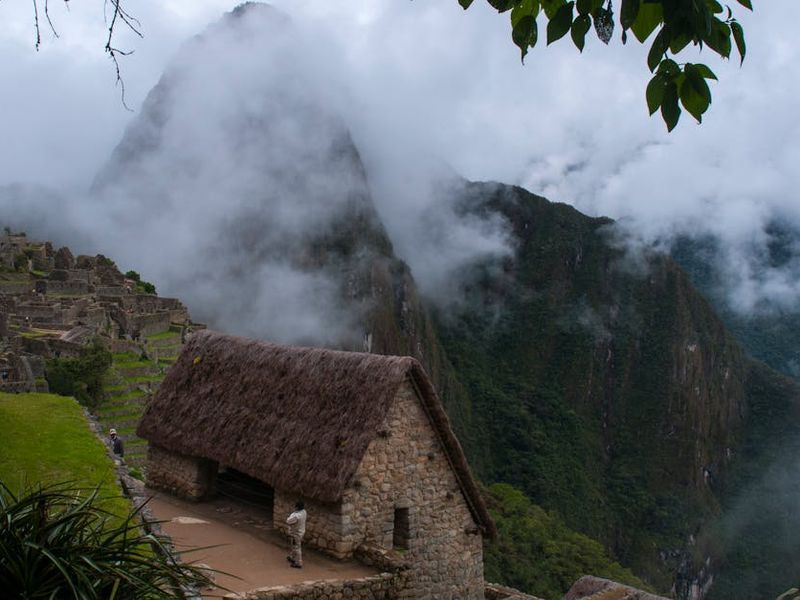
- Take a guided day trip to nearby Inca ruins or hot springs
- Sample local cuisine—hornado, mote, and fresh mountain coffee—while you recover
This mix of high-quality dental care and restorative leisure activities makes recovery less clinical and more enjoyable.
Practical Timeline: What to Expect for Implants, Crowns, and Veneers
Understanding realistic timelines is essential for planning your travel. Here are common scenarios:
Implants (Traditional Two-Stage)
- First visit (4–7 days): Consultation, 3D imaging, extractions if needed, implant placement. Temporary teeth provided in many cases.
- Healing (3–4 months): Osseointegration period—can be done at home with remote follow-up or staying locally for more complex cases.
- Second visit (5–10 days): Abutment placement and final crowns or bridges.
Immediate-Load Implants / All-on-4
- First visit (5–10 days): Planning, implants placed, and a fixed provisional prosthesis attached the same day or within a few days.
- Follow-ups: Adjustments and final prosthesis after a few months. Many clinics offer full packages for this treatment.
Crowns and Veneers
- Short timeline (7–14 days): Digital impressions and same-day temporary crowns; final restorations delivered within one to two weeks, especially when clinics have in-house labs or fast digital workflow.
Ask your clinic about whether they recommend one trip or staged trips and how they handle post-operative care remotely.
Choosing the Right Clinic: A Checklist for First-Timers
Not all clinics are the same. Use this checklist before booking:
- Credentials: Ask for the dentist’s degrees, licenses, and continuing education certificates.
- Technology: Confirm they have CBCT scanning, intraoral scanners, and modern sterilization systems.
- Treatment plan: Request a detailed written plan with materials, timelines, and a full price quote.
- Implant brands: Ask which implant systems they use—proven brands offer better long-term predictability.
- Before/after photos: Request case photos similar to your situation and patient testimonials.
- Warranties and follow-up: Clarify warranty terms for crowns/implants and how remote issues are handled.
- Language and coordination: Ensure you’ll have English-speaking staff or a translator and a dedicated coordinator.
- Infection control: Ask about sterilization protocols and COVID-era policies if relevant.
Travel Logistics: Getting to Cuenca and Moving Around
Cuenca is served by Mariscal Lamar International Airport (CUE) with regional and some international connections; many travelers fly into Quito or Guayaquil and take a short domestic flight or a scenic bus ride to Cuenca. Travel time is reasonable and tends to be less stressful than trips to more remote medical tourism destinations.
Within the city, taxis and ride apps are affordable. Most clinics are located near the historic center or commercial zones, close to hotels, pharmacies and restaurants. Many clinics provide airport pick-up, hotel recommendations, and concierge services—ask about package deals that include transfers and lodging.
Safety, Health, and Practical Tips
Cuenca is considered a safe city for travelers, especially in tourist areas, but standard travel caution is advised. Here are practical tips to make your trip smoother:
- Bring all dental records and recent x-rays—these help the clinic plan more efficiently.
- Purchase travel insurance that covers medical evacuation and complications related to dental work if available. Check what is and isn’t covered.
- Plan for altitude: Cuenca’s elevation may require extra hydration and light activity for the first day or two. If you have heart or respiratory conditions, consult your doctor before travel.
- Medication: Bring a supply of any prescription medication you need, and ask your clinic about post-op prescriptions (antibiotics, pain control).
- Cash and cards: Most clinics accept international cards; however, having some US dollars or local currency (Ecuador uses the U.S. dollar) is handy for taxis and small purchases.
- Follow-up: Confirm how the clinic handles complications once you return home—telehealth follow-ups are common.
Real Patient Experience: What First-Timers Should Expect
Many first-time dental tourists report being pleasantly surprised by the personalized attention in Cuenca. Expect thorough consultations, the option of bilingual staff, and clinics that are used to working with international patients. Comfort is often emphasized—many practices offer sedation options, cozy recovery rooms, and detailed aftercare instructions in English.
While the clinical experience is often excellent, remember that planning is key. Bring realistic expectations, follow instructions carefully, and maintain contact with the clinic during healing.
Long-Term Value: Investing in Your Smile Without Breaking the Bank
Getting implants, crowns, or veneers in Cuenca is often framed as an investment: the same high-quality materials and skilled clinicians combined with drastically lower prices mean you can afford more comprehensive care. Instead of piecemeal repairs over many years, many patients complete full-mouth rehabilitations that significantly improve function and confidence at a fraction of the cost at home.
Ultimately, the combination of top-level training, modern technology, personalized service, and a beautiful recovery environment makes Cuenca a practical and enjoyable destination for dental tourism.
Final Tips Before You Book
- Request a virtual consultation: Many clinics offer video calls to review your case before you book travel.
- Read recent reviews and ask for recent patient references: Honest feedback from others is invaluable.
- Confirm total costs upfront, including lab fees, materials, and follow-up visits. Ask about payment plans or packages.
- Consider combining shorter procedures like crowns or veneers with a single week, and plan staged trips for implants unless you’re using an immediate-load protocol.
Conclusion: Why Cuenca Wins as a Dental Tourism Destination
Cuenca checks almost every box: substantial cost savings, highly trained dentists, modern clinics with advanced technology, short wait times, and a comfortable, culturally rich environment perfect for recovery. Whether you need a single crown or a full-arch implant restoration, Cuenca offers an exceptional value proposition—allowing you to return home with quality dental work and lasting memories from one of South America’s most charming cities.
Start with a virtual consultation, build a realistic timeline, and prepare for a dental vacation that’s as restorative as it is memorable.