
Table of Contents
Introduction: A New Model of Dental Care Meets Expat Life
For many expats, dental care used to be an expensive, stressful chore: long wait lists, sky-high prices, and impersonal clinic visits. Then they discovered Cuenca, Ecuador — a place that blends top-tier dentistry with a restorative, travel-friendly environment. In this article we’ll dive into why Cuenca is fast becoming the best place on Earth for dental tourism and dental vacations, and how relocating here for dental work has changed so many expats’ lives.
Unbeatable Value: 60–70% Savings Without Sacrificing Quality
The single most powerful reason people choose Cuenca is cost. Dental implants, crowns, veneers and full-mouth restorations can run 60–70% cheaper than in the U.S. or Canada. Those savings are not the result of cutting corners — they come from lower overhead, favorable currency conditions (Ecuador uses the U.S. dollar), and a highly efficient private healthcare sector. For example, a crown or veneer that might cost $1,200–$2,500 in the U.S. often costs a fraction of that in Cuenca; implant procedures that can approach $4,000–$6,000 per tooth up north may be available here for $800–$1,800.
World-Class Dentists Trained Locally and Abroad
Cuenca’s dental community is composed of practitioners who trained at the best universities in Ecuador and many who pursued advanced studies overseas. Dentists in Cuenca frequently participate in international continuing education, use evidence-based protocols, and partner with specialized dental labs. Many clinics proudly share credentials, before-and-after galleries, and case studies demonstrating complex implantology and aesthetic dentistry performed to high standards.
Modern Clinics with Cutting-Edge Technology
Visit a reputable Cuenca clinic and you’ll find digital x-rays, intraoral scanners, 3D cone-beam CT (CBCT) machines, CAD/CAM milling, and sterilization practices that match or exceed what you’d expect in larger cities. These technological capabilities allow accurate diagnostics, efficient workflows (faster turnarounds for crowns and veneers), and safer implant placements. Clinics often maintain clear communication with international labs and employ sedation and pain-management options for anxious patients.
The Perfect Recovery Environment: Mild Climate, Walkable Streets, and Calm
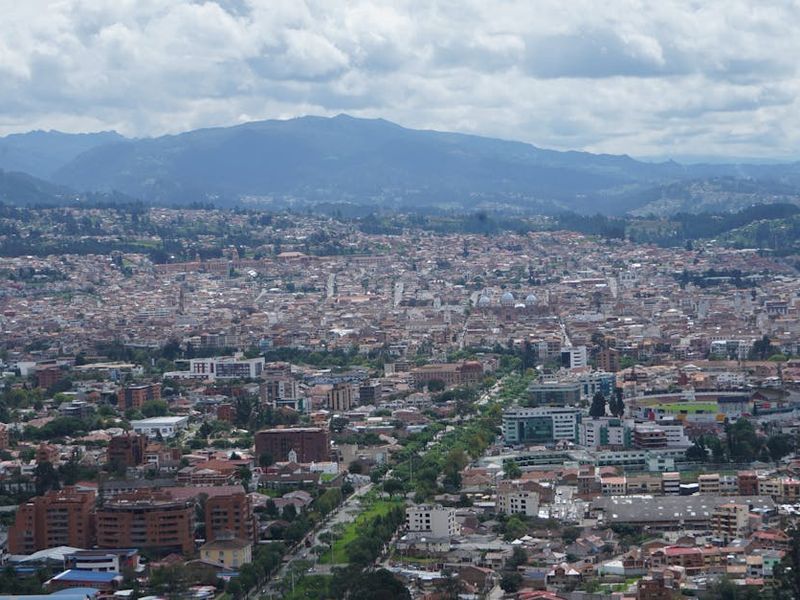
Another major advantage is Cuenca’s recovery-friendly environment. The city sits at about 2,560 meters (8,400 ft) with a year-round spring-like climate — cool mornings, pleasant afternoons — which many patients find ideal for healing. The historic center (a UNESCO World Heritage site) is compact and easy to navigate on foot, with nearby parks, wide river promenades, and quiet cafes where you can rest between appointments. For longer convalescences, Cajas National Park and gentle day trips offer low-stress outdoor options to complement recovery.
Combine Dental Procedures with a Vacation You’ll Actually Enjoy
Dental vacations aren’t just about appointments; they’re about pairing procedures with real leisure. Cuenca makes that effortless. Schedule an initial consultation, then spend a few days exploring colonial plazas, artisan markets, and museums while lab work is completed. Many patients plan a follow-up visit two weeks later for permanent restorations and use the in-between time to hike or visit nearby thermal springs. The rhythm of dental workflows and vacation days fits naturally here — short procedures, restorative downtime, and plenty of cultural stimulation.
Short Wait Times and Faster Treatment Schedules
One of the most immediate improvements patients notice is scheduling. Unlike long waits in many home countries, reputable Cuenca clinics typically offer consults within days and begin treatment within weeks. Thanks to on-site labs or close partnerships, crowns and veneers can often be completed in 1–2 visits over 7–14 days. For implants, some clinics offer immediate-load options or staged plans that minimize the total time you need to spend abroad. Shorter waitlists mean faster relief, faster aesthetics, and a quicker return to the life you want.
Personalized, One-on-One Patient Care
Smaller clinic sizes often translate to highly personalized care. Many expats describe the difference as night and day: instead of assembly-line visits, they receive one-on-one time with the dentist who actually performs the work. Clinics in Cuenca pride themselves on building rapport, explaining options in plain language (often in English), and tailoring plans to individual lifestyles — whether you’re a retiree seeking comfort or a busy professional needing efficient scheduling.
Life-Changing Results: Implants, Crowns, and Veneers That Transform Lives
Beyond the financial savings and logistics, the emotional and functional benefits are profound. Dental implants restore chewing ability and facial structure; crowns protect weakened teeth and eliminate chronic pain; veneers can rebuild confidence in social and professional settings. For many expats, a dental trip to Cuenca is not a stopgap — it’s a transformative investment in health, appearance, and long-term well-being that pays dividends in daily life.
Realistic Timelines and Typical Treatment Plans
Understanding timelines helps you plan your stay. Here’s a practical breakdown:
- Consultation and Diagnostics (Day 1–3): Clinical exam, digital x-rays or CBCT scans, photographs, and an agreed treatment plan with cost estimate.
- Crowns and Veneers (7–14 days): Preparation, digital impressions, temporary restorations, and final placement once the lab fabricates the permanent prostheses.
- Implants (Single Stage or Two-Stage): Implant placement can be immediate in some cases with a temporary crown; otherwise, you’ll return after 3–4 months for abutment and final crown. Many patients split visits between an initial placement trip and a later finalization trip, combining each stay with sightseeing.
- Full-Mouth Restorations: Often staged over several visits but still far less costly and faster than many North American timelines.
Safety, Standards, and Selecting the Right Clinic
Not all clinics are identical, so follow practical tips when choosing where to go:
- Request credentials and proof of continuing education; many dentists publish memberships in professional societies or international courses attended.
- Ask for digital records: CBCT scans, intraoral photos, and clear treatment plans with itemized costs.
- Look for clinics that use modern sterilization and infection-control protocols, and that can show before-and-after cases similar to your needs.
- Opt for clinics with English-speaking staff or translators if you’re not fluent in Spanish; many clinics serve an international clientele.
- Get written guarantees or warranties where possible — many Cuenca clinics offer limited warranties on work and materials.
Practical Travel Tips and Logistics
Planning matters. Here are specific, practical tips for an efficient dental trip to Cuenca:
- Travel routes: Cuenca has the Mariscal La Mar (CUE) airport with connections from Quito and Guayaquil. Many international visitors fly into Quito or Guayaquil and take a 45–60 minute domestic flight to Cuenca or enjoy a scenic 4–6 hour bus ride.
- Currency and payments: Ecuador uses the U.S. dollar, eliminating currency conversion hassles for U.S. patients. Many clinics accept major credit cards, bank transfers, or cash.
- Accommodation: Choose a centrally located hotel or short-term rental in the Historic Center or quieter residential neighborhoods for easy access to clinics and recovery-friendly surroundings.
- Insurance and financing: Most U.S. insurance plans won’t cover overseas elective dentistry; however, the savings often compensate. Ask clinics about payment plans or financing options.
- Plan recovery days: Block extra time for rest after implant placements or major procedures. Short walks and light activities are great; strenuous hikes are better delayed a week or two depending on your dentist’s advice.
- Altitude acclimatization: Cuenca sits at 2,560 m. If you fly in directly from sea level, plan at least 24–48 hours to acclimatize before major procedures — drink water, avoid heavy alcohol, and rest.
How Relocating for Dental Care Becomes a Lifestyle Choice
Some expats start with a single crown or veneer and realize the broader benefits of living in a place where dental care is accessible, affordable, and of high quality. They begin to schedule routine maintenance, cosmetic touch-ups, and even more complex restorative work over a few years. The result is reduced dental debt, better long-term oral health, and a lifestyle that balances medical needs with the joys of living abroad: robust social networks, creative pursuits, and a daily life in a walkable historic city.
Community and Support: Expat Networks, Language, and Well-Being
Cuenca has an active expat community that helps newcomers navigate practicalities: bilingual recommendations, transportation tips, and vetted clinic referrals. Many dental patients find friendship and emotional support as they recover and explore the city. Clinics are familiar with international patients and often coordinate lodging, transportation, and post-op prescriptions to simplify your stay.
Stories of Transformation: Confidence, Health, and New Beginnings
Hearing from other expats often seals the decision to come to Cuenca. Imagine a retiree who hadn’t smiled for years because of missing teeth, now dining comfortably, traveling with friends, and volunteering with renewed self-confidence after receiving implants. Or a young couple planning a wedding who flew in for veneers and left with photos that radiated confidence — all while saving enough to take an extra honeymoon trip in the Andes. These stories are common and underline how dental care in Cuenca can catalyze broader life changes.
What to Expect Financially: Transparency and Value
Expect transparent estimates and clear communication about what’s included: materials, lab fees, follow-ups, and any necessary revisions. The lower cost should never be the only criterion — look for value: excellent materials, skilled technicians, and reliable follow-up care. When you include travel savings, the dollar-stretching power of Cuenca’s dental offerings becomes unmistakable.
Final Checklist Before You Book
To summarize, here’s a concise checklist to prepare for a life-changing dental trip to Cuenca:
- Obtain a detailed treatment plan and itemized cost estimate.
- Request before-and-after photos of similar cases and verify credentials.
- Ask about imaging technology (CBCT, digital scanning) and lab partnerships.
- Confirm language support and any warranty or guarantee policies.
- Plan your travel and recovery days, allowing for altitude acclimatization.
- Arrange lodging near the clinic and local transportation if needed.
- Bring medical history, medication list, and any prior dental records.
Conclusion: A Smart, Life-Enhancing Choice
Relocating to Cuenca, or simply combining a visit with a dental vacation, can be one of the smartest health and lifestyle decisions an expat makes. With 60–70% savings, highly trained dentists, modern clinics, short wait times, and a beautiful, restorative environment, Cuenca offers unbeatable value for implants, crowns, veneers, and full-mouth restorations. Beyond the practical advantages, many patients walk away with restored function, renewed confidence, and a deeper appreciation for life in a city that supports both healing and adventure.
If you’re considering dental tourism, Cuenca deserves serious attention — both as a destination for world-class care and as a place where a single trip can spark lasting improvements in health, finances, and quality of life.