
Table of Contents
Introduction: Dental Care Meets Vacation in Cuenca
If you’ve been postponing big dental work because of cost, waitlists or stress, Cuenca, Ecuador might be the life-changing solution you didn’t know existed. This charming Andean city has quietly become a global hub for dental tourism — offering world-class dentists, modern clinics, dramatic cost savings (often 60–70% less than the U.S. and Canada), and a gentle, restorative environment perfect for recovery. Mix top-quality implants, crowns and veneers with cobblestone streets, riverside cafes and nearby national parks, and you’ve got a dental vacation that’s practical, affordable and genuinely enjoyable.
What Makes Cuenca the Best Choice for Dental Tourism?
Not every destination markets itself as a dental tourism leader, but Cuenca checks the boxes that matter: professional expertise, cutting-edge technology, exceptional value and a comfortable recovery setting. Here’s how Cuenca stands apart.
Extraordinary Savings — A Major Reason to Fly
One of the most persuasive reasons patients travel to Cuenca is the dramatic price difference. Expect typical savings of 60–70% compared to prices in the U.S. and Canada. To give you ballpark numbers: a dental implant with a crown that might cost $3,000–$6,000 at home could often be done in Cuenca for roughly $700–$1,500. Crowns and veneers follow the same pattern — premium materials and lab work at a fraction of North American costs. Those numbers aren’t just attractive; they make restorative dentistry accessible in ways it often isn’t back home.
Highly Trained Dentists with Global Standards
Cuenca’s dentists have strong academic backgrounds, frequently graduating from top universities in Ecuador and the region, and many pursue postgraduate training and international certifications. Clinics often advertise continuing education, global implant brands and technicians trained in the latest prosthetic techniques. The result: care that meets or exceeds what patients expect from high-quality practices abroad.
Modern Clinics and Advanced Technology
Dental clinics in Cuenca are outfitted with contemporary technology: 3D CBCT imaging for precise implant planning, intraoral scanners, CAD/CAM milling centers for same-day crowns, and high-quality sterilization protocols. Many clinics also use digital treatment planning to simulate outcomes and coordinate between specialists — implantologists, prosthodontists and cosmetic dentists — so your case is managed comprehensively.
Short Wait Times and Personalized One-on-One Care
Unlike long waitlists that can delay treatment months in some countries, Cuenca clinics typically schedule efficiently. Private clinics prioritize patient convenience and often offer flexible scheduling so multiple steps (consultation, implant placement, impression taking, delivery) can be planned around your trip. The patient experience in Cuenca is intimate — expect more one-on-one time with your dentist, direct communication with clinicians and a hands-on approach to care that many patients describe as refreshingly personal.
How Dental Tourism in Cuenca Works: Practical Planning
Dental travel requires a bit of organization but it’s surprisingly straightforward. Here’s how to plan a dental vacation in Cuenca so your trip is productive and relaxing.
Consultation and Virtual Pre-Planning
Most reputable Cuenca clinics offer an initial online consultation. You’ll send recent dental x-rays, photos and a brief medical history. Based on these materials, clinics can provide cost estimates, treatment timelines and the types of materials or implant systems they recommend. This remote step lets you compare clinics and arrive informed and comfortable.
Travel Logistics: Getting There and Where to Stay
Cuenca is accessible via short domestic flights from Quito or Guayaquil or direct international flights into Mariscal La Mar Airport during some seasons. Travelers from North America often connect through Quito or Guayaquil. Once in Cuenca, the downtown historic center (El Centro) is the most convenient area for tourists — it’s walkable, full of restaurants and close to many clinics. Check for accommodations that offer quiet rooms and easy access to your dental office since you’ll want comfort during recovery.
Typical Timeline: Single Trip vs. Two Visits
Treatment timeframes vary by case. There are two common approaches:
- Immediate-load implants: Some patients qualify for implants with provisional crowns placed the same day. This allows a single visit of a week or two for many procedures, though a second follow-up may be needed later.
- Two-step approach: Traditional implant placement followed by a healing period of 3–6 months and then a return visit for final crowns. If your treatment requires bone grafting, expect a longer timeline and possibly multiple visits.
Work with your dentist to choose the best option for your oral health and travel plans.
What to Expect During Treatment in Cuenca
Understanding the clinical flow reduces stress. Here is a typical patient experience in Cuenca clinics.
Initial Evaluation
On arrival you’ll have a thorough in-person exam, updated imaging (including CBCT if needed) and a clear written treatment plan — timeline, costs and warranty information. Many clinics present before-and-after cases and digital simulations so you know the expected result.
Implant Placement and Sedation Options
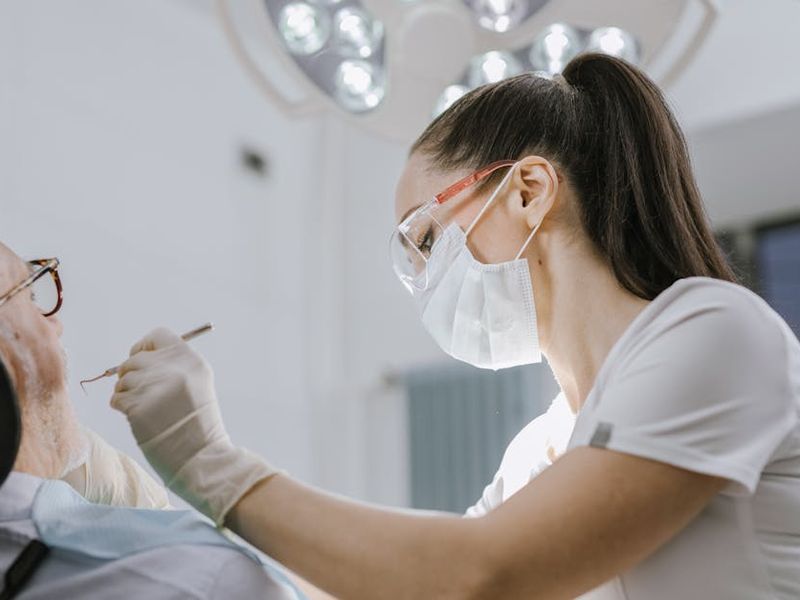
Implant surgery is usually done under local anesthesia; many clinics offer conscious sedation or IV sedation if you prefer deeper relaxation. Surgical protocols emphasize sterile technique, gentle tissue handling, and post-op pain control. Clinics typically provide post-op medications and written aftercare instructions in English if requested.
Restorative Phase: Crowns and Veneers
Once implants integrate or if you’re placing crowns/veneers, the restorative phase involves precision impressions (often digital), shade matching, and coordination with in-house labs or trusted dental labs. High-quality porcelain, zirconia and E-max materials are commonly used for long-lasting, aesthetic results.
Recovering in Cuenca: Why It’s Ideal
A big advantage of Cuenca is its setting. The city’s pace, climate and services make it a soothing place to recuperate after dental procedures.
Mild, Restorative Climate
Cuenca sits at about 2,560 meters (8,400 feet) above sea level with a comfortable, spring-like climate year-round. The air is crisp but not extreme, making light walks and gentle outdoor activity pleasant during recovery. Many patients report faster recovery simply because stress levels drop and they’re surrounded by beauty.
Walkable Historic Center and Low-Intensity Activities
The historic center is compact and walkable, with picturesque plazas, riverside promenades and cozy cafes perfect for resting with an iced tea or soothing soup after procedures. Museums, artisan markets and mellow day tours allow you to be a tourist without strenuous exertion — ideal for the 48–72 hour recovery window when patients should avoid heavy lifting and intense activity.
Expat Community and English-Friendly Services
Cuenca is a popular expat destination, and that translates into many services in English: English-speaking clinic staff, bilingual pharmacies and tour operators comfortable arranging gentle outings. This language support reduces friction and makes the whole dental vacation experience smoother.
Combining Dental Work with Activities: Smart Ideas for a Dental Vacation
You don’t have to be bedridden while recovering. Here are carefully chosen activities that support healing and enrich your stay.
- Casual river walks along the Tomebamba for fresh air without strain.
- Visits to Pumapungo Museum and archaeological gardens — quiet, culturally rich and not physically demanding.
- Mild scenic drives to Cajas National Park for short viewpoints rather than long hikes (higher-intensity excursions are better deferred).
- Artisan markets and boutique shopping where you can sit and take breaks between browsing.
- Relaxed culinary experiences: many restaurants provide nourishing soups and soft foods ideal after dental surgery.
Choosing the Right Clinic: Checklist and Questions to Ask
Selecting a clinic is the most important step. Use this checklist when researching providers in Cuenca.
- Credentials: Ask about the dentist’s university education, postgraduate training and affiliations with professional societies.
- Technology: Confirm availability of CBCT scanning, intraoral scanning and CAD/CAM restorations.
- Case portfolio: Request before-and-after photos of similar cases and references from international patients.
- Warranties and follow-up: Do they offer a written warranty for implants and prosthetics, and how is follow-up handled if you return home?
- Communication: Is there English support, and will you have direct access to the treating clinician?
- Cost transparency: Request an itemized estimate and clarify what’s included (materials, lab fees, sedation, antibiotics).
- Emergency plan: Ask how dental emergencies are handled outside office hours.
Money, Safety and Practical Tips
Small practicalities make travel easier. Ecuador uses the U.S. dollar, which eliminates currency exchange surprises for many visitors. Pharmacies are plentiful and many medications are available quickly with a prescription from your dentist.
Travel Insurance and Medical Records
Dental procedures aren’t always covered by travel insurance, but some policies include medical evacuation or hospitalization if complications arise — read fine print. Take copies of your dental records and pre-op imaging on a USB drive; this helps with coordination if you seek follow-up care at home.
Packing and Preparing
- Bring comfortable clothing for recovery and a small pillow for flights if recommended by your dentist.
- Pack a soft-food grocery list and local recommendations for pharmacies and grocery stores near your accommodation.
- Discuss antibiotic and pain medication plans with your dentist before travel and confirm they provide take-home prescriptions.
Aftercare and Long-Term Follow-Up
Many Cuenca clinics offer telemedicine check-ins once you return home — a huge convenience for dental tourists. Photos and video calls allow your dentist to assess healing and advise on any minor issues. For restorations like crowns and veneers, ask about lab warranties and what to do if a component needs adjustment after you’re back home.
Real Patient Value: Cost, Quality and Peace of Mind
The real appeal of Cuenca’s dental tourism is the combination of tangible and intangible value. Financially, the savings are enormous and measurable. Clinically, the combination of trained clinicians, modern technology and coordinated care provides results that match patient expectations. Psychologically, Cuenca’s tranquil setting reduces the stress of major dental work and turns what can be a daunting medical procedure into an experience that feels more like a restorative retreat.
Final Thoughts: A Smart, Sensible Dental Vacation
Choosing Cuenca for implants, crowns or veneers is about more than affordable dentistry — it’s a strategic choice that blends excellent clinical outcomes with the benefits of travel and recovery in a beautiful city. With strong cost savings, modern clinics, highly trained dentists, efficient scheduling and a welcoming environment, Cuenca offers an unbeatable package for dental tourism. If you’re weighing your options, a dental vacation in Cuenca could mean saving thousands of dollars, receiving top-tier care, and coming home with a healthier smile and memories of an uplifting Andean city.
Quick Checklist Before You Book
- Obtain a written treatment plan with timelines and itemized costs.
- Request examples of similar cases and patient testimonials.
- Confirm insurance coverage or arrange appropriate travel protection.
- Schedule travel dates with time for recovery and possible follow-ups.
- Save contact information for your clinic and local pharmacy.
With the right planning and a trusted clinic, your dental vacation in Cuenca can deliver high-quality results, significant savings and a leisurely, restorative experience — all in one remarkably pleasant trip.
Adam Elliot Altholtz serves as the Administrator & Patient Coordinator of the “Smilehealth Ecuador Dental Clinic“, along with his fellow Expats’ beloved ‘Dr. No Pain‘, right here in Cuenca, Ecuador, and for purposes of discussing all your Dental needs and questions, is available virtually 24/7 on all 365 days of the year, including holidays. Adam proudly responds to ALL Expat patients from at least 7:00am to 9:00pm Ecuador time, again every single day of the year (and once more even on holidays), when you write to him by email at info@smilehealthecuador.com and also by inquiry submitted on the Dental Clinic’s fully detailed website of www.smilehealthecuador.com for you to visit any time, by day or night. Plus, you can reach Adam directly by WhatsApp at +593 98 392 9606 -or by his US phone number of 1‐(941)‐227‐0114, and the Dental Clinic’s Ecuador phone number for local Expats residing in Cuenca is 07‐410‐8745. ALWAYS, you will receive your full Dental Service in English (NEVER in Spanish), per you as an Expat either living in or desiring to visit Cuenca by your Dental Vacation, plus also to enjoy all of Ecuador’s wonders that are just waiting for you to come arouse and delight your senses.