
Table of Contents
Introduction: A Smarter Dental Vacation Starts in Cuenca
If you’re considering dental work—crowns, veneers, or implants—but dread the cost, long waits and impersonal care at home, Cuenca, Ecuador deserves a top spot on your shortlist. This colonial Andean city has quietly become one of the world’s best dental tourism destinations, combining dramatic cost savings (often 60–70% less than the U.S. or Canada), world-class clinicians trained at top universities, modern clinics with cutting-edge technology, and a relaxed, restorative environment perfect for recovery and exploration.
Why Cost Savings in Cuenca Are Real—and Massive
One of the primary draws of dental tourism is price, and Cuenca delivers. Typical price comparisons often show:
- Porcelain veneers: U.S./Canada $1,000–2,500 each vs. Cuenca $250–700 each
- All-ceramic crowns: U.S./Canada $900–1,800 each vs. Cuenca $250–600 each
- Dental implants (including abutment and crown): U.S./Canada $3,000–6,000 vs. Cuenca $800–1,800
These ranges vary by clinic and materials, but the bottom line is consistent: you can save 60–70% on many common restorative procedures. Even after including round-trip flights, lodging, and meals, patients typically walk away with substantial net savings compared to having the same work done at home.
Highly Trained Dentists and Modern Clinics
Cuenca’s dentists are often trained at Ecuador’s leading universities and many have additional postgraduate training in the U.S., Europe or other Latin American dental centers. Clinics here are modern and well-appointed, equipped with technologies you expect from top-tier practices: digital X-rays, cone beam CT (3D imaging), CAD/CAM milling systems for same-day crowns, intraoral scanners, and zirconia milling for durable, aesthetic restorations.
Clinics catering to international patients typically emphasize bilingual staff and patient coordinators who walk you through appointments, financing, and aftercare. This personalized service contrasts sharply with longer, busier practices in larger North American cities.
Short Wait Times and Flexible Scheduling
In Cuenca you’ll rarely find the six-month queues common in many areas. Most private clinics offer prompt consultations and can schedule restorative work within days to weeks. For cosmetic cases (veneers and crowns), many clinics offer a two-step process within 7–14 days: initial consultation and prep, followed by placement after lab fabrication—sometimes the lab work is in-house. For implants, clinics provide clear timelines with immediate options for temporary crowns and staged plans for osseointegration.
The Ideal Recovery Environment—Mild Climate and Scenic Calm
Cuenca sits at about 2,500 meters (roughly 8,200 feet) in the southern Andes. It enjoys a steady, spring-like climate year-round—cool days, mild nights—that many patients find ideal for healing. The city’s tree-lined streets, plazas, and slower pace make it easy to relax after a procedure. Instead of recovering in a sterile, hurried setting, you can stroll to a nearby café, rest in a boutique hotel, or spend quiet mornings watching the sunrise over colonial rooftops.
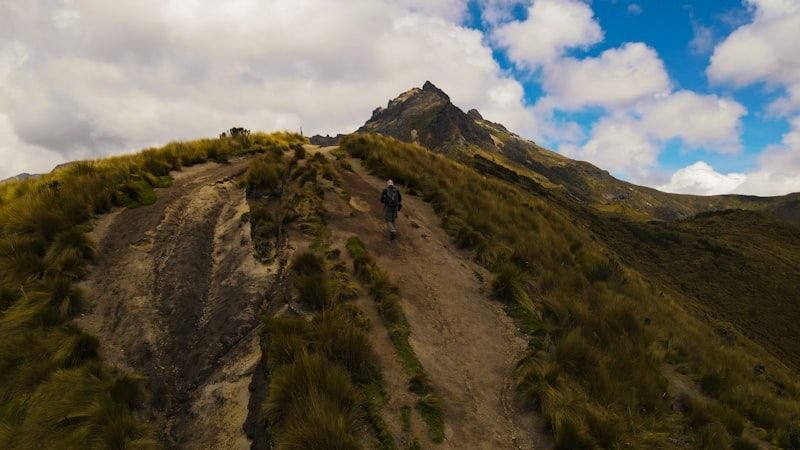
Beyond the city, places like Cajas National Park offer dramatic highland landscapes for low-impact outings once your dentist gives you the go-ahead. This beautiful environment turns necessary recovery time into part of a restorative travel experience.
Combining Dental Care with a Memorable Vacation
A major advantage of Cuenca is how naturally dental care pairs with a vacation. Depending on the scope of work, you can structure your trip to include sightseeing and downtime around appointments. Popular itinerary ideas include:
- Weekender for crowns/veneers: 7–10 days to allow for consultation, prep, and placement with comfortable recovery days in between.
- Two-stage implant trip: initial visit for implant placement and temporary crown, followed by a 3–4 month healing period at home and a short follow-up trip for final restoration—or work with clinics that offer local follow-up options.
- Extended dental vacation: schedule multiple procedures and spend 2–4 weeks exploring markets, museums, and nearby nature reserves while recovering.
Cuenca’s active expat community also makes it easy to find welcoming restaurants, language exchanges, and social outings—perfect for turning a necessary medical trip into an enjoyable life experience.
Personalized, One-on-One Attention
Many patients cite the warmth and personalization of care in Cuenca as a standout benefit. Clinics here tend to emphasize patient relationships: thorough consultations, clear communication about options, and individualized treatment plans. Instead of being one of dozens in a big metropolis, you’ll often receive one-on-one time with the dentist and a dedicated coordinator who manages logistics, translation, and follow-up.
This personalized approach leads to better outcomes, a higher level of trust, and often a smoother recovery process.
Technology That Matches International Standards
Don’t assume “affordable” equates to outdated equipment. Many Cuenca clinics invest in the same technologies found in premier practices globally: CAD/CAM systems for same-day crowns (CEREC-style), digital smile design software to preview results, cone beam CT for precise implant planning, and high-quality materials like monolithic zirconia and lithium disilicate (e.max) for longevity and aesthetics.
Having access to these tools means you can get premium materials and predictable, efficient workflows without the premium price tag.
Practical Travel & Logistics: How to Plan Your Dental Trip
Planning is key to a successful dental vacation. A few practical considerations specific to Cuenca:
- Arrival: Mariscal Lamar Airport (CUE) connects to Quito and Guayaquil; international travelers often connect through Quito or Guayaquil. Plan flights accordingly and allow time for connections.
- Accommodation: Cuenca has a wide range of lodging options—budget hostels, mid-range hotels (~$40–$80/night), boutique hotels and apartments. Many clinics can recommend vetted places near their office.
- Visas: Citizens of many countries can visit Ecuador visa-free for up to 90 days. Check passport requirements prior to travel.
- Language: Spanish is the primary language; most clinics serving international patients offer bilingual staff. Consider brushing up on basic Spanish or downloading translation apps for added ease.
- Transfers: Clinics can often arrange airport pickups and local transport. Taxis and local ride services are affordable and reliable for getting around town.
Timelines for Crowns, Veneers and Implants
Understanding typical timelines helps you plan your stay and budget:
- Crowns: Many cases can be completed in 1–2 visits over 7–10 days if the lab is fast or in-house. Same-day options are available with CAD/CAM systems.
- Veneers: Often require 2 visits—prep and impressions, then placement. Expect 7–14 days depending on lab turnaround and complexity.
- Implants: Healing time varies. Some clinics offer immediate provisional crowns; definitive crowns may follow 3–4 months after implant placement for osseointegration. Coordinate whether you’ll return for follow-up or have the clinic work with a dentist at home for final restoration.
Choosing a Clinic: Questions to Ask Before You Book
Not every cosmetic or implant clinic is the same. Ask these practical questions to evaluate options in Cuenca:
- What are the dentist’s qualifications and continuing education credentials?
- Can I see before-and-after photos of similar cases?
- Do you use 3D imaging / cone beam CT and digital scanning?
- What materials and brands do you use for crowns, veneers and implants?
- Do you provide a written treatment plan, cost breakdown and any warranty or follow-up policy?
- How do you handle complications and aftercare for international patients?
Safety, Accreditation and Patient Protections
Ecuador’s private dental sector is well-regulated, and many clinics in Cuenca follow international sterilization and safety protocols. Look for clinics that maintain transparent infection control policies, use modern sterilization equipment, and belong to professional associations. Also ask about patient insurance, guarantees, and what the clinic will do if follow-up care is necessary after you return home.
How Much Should You Budget? A Realistic Cost Framework
Costs vary with materials and complexity, but here’s a sample budget for comparison purposes. These estimates include clinic fees but not travel or lodging:
- Single porcelain crown: Cuenca $300–600 vs. U.S./Canada $900–1,800
- Full set of veneers (8–10 teeth): Cuenca $2,000–6,000 vs. U.S./Canada $8,000–25,000
- Single implant with crown: Cuenca $800–1,800 vs. U.S./Canada $3,000–6,000
Always request a detailed written quote from clinics, including any potential additional costs like extra appointments, sedation, or imaging.
Tips for a Smooth Dental Vacation in Cuenca
- Book an initial virtual consultation. Most clinics offer video consultations to evaluate your case and provide a preliminary treatment plan and quote.
- Allow buffer days. Build in a few extra days for unexpected delays or additional appointments.
- Pack smart. Bring a small medical kit, any prescribed medications, and a list of your medical history and allergies.
- Consider travel insurance that covers medical procedures or complications abroad.
- Keep documentation. Get copies of X-rays, treatment plans, and implant details (brand and serial numbers) for your records back home.
- Plan low-impact activities for the immediate recovery period: strolls in Parque Calderón, gentle coffee shop afternoons, and short scenic drives rather than strenuous hikes.
Real Value: More Than Dollars and Cents
Affordability is a major motivator, but what makes Cuenca truly stand out is the combined value: top-quality dentistry, individualized care, modern tech, and a setting that supports healing and relaxation. Patients frequently tell stories of returning not only with a brighter smile but also with memories of a charming city, friendly locals, and a refreshed sense of well-being.
Conclusion: Cuenca as an Intelligent Choice for Dental Tourism
For patients seeking crowns, veneers or implants, Cuenca offers a compelling mix: dramatic cost savings, dentists trained to international standards, clinics outfitted with modern tools, short wait times, and a beautiful environment that enhances recovery. With careful planning, clear communication with your chosen clinic, and realistic expectations about timelines, a dental trip to Cuenca can be both an excellent financial decision and a rejuvenating travel experience.
Next Steps
Start by scheduling a virtual consultation with a reputable Cuenca clinic, compare written treatment plans, and plan a trip that blends medical needs with the charm and calm of one of Ecuador’s most beloved cities. Smart planning can turn necessary dental work into a life-changing smile—and a surprisingly memorable vacation.