
Table of Contents
Introduction: Dental Care and the Cuenca Advantage
For many North Americans and Europeans, dental treatment is one of the biggest healthcare expenses. That’s why dental tourism has exploded in popularity—and no place does it better than Cuenca, Ecuador. This Andean city uniquely blends internationally trained dentists, modern clinics, and prices that typically run 60–70% lower than the United States and Canada, creating an exceptional value proposition: world-class dentistry plus a beautiful, restorative vacation environment.
How Cuenca Cuts Your Dental Bill Without Cutting Quality
The most immediate reason people choose Cuenca for dental procedures is cost. Simple comparisons reveal why: dental implants that might cost $3,000–$4,500 per tooth in the U.S. are often available in Cuenca for $800–$1,500; porcelain crowns that run $800–$1,500 north of the border can be $200–$400 here; and veneers commonly priced $1,000–$2,500 in the U.S. are often $250–$600 in Cuenca. Those savings average 60–70%—large enough to finance travel, accommodation, and even a short holiday while you recover.
Why the Low Cost Doesn’t Mean Low Quality
Lower prices reflect cost-of-living differences and efficient clinic models, not compromised standards. Many Cuenca dentists trained at top dental schools in Ecuador and abroad and completed postgraduate programs in Europe and North America. Clinics here frequently use advanced technologies—cone beam CT (CBCT), intraoral scanners, 3D printing, CAD/CAM milling, digital smile design, and implant systems from global manufacturers—so treatments match international technical standards.
Modern Clinics and Personalized Care
Cuenca’s clinics are modern, clean, and patient-oriented. Many are architect-designed spaces with sterilization protocols on par with, or superior to, those in larger cities. Where they excel even more is in personalized, one-on-one care: smaller patient volumes mean patients often meet with the same dentist for consultations, procedures, and follow-ups. That continuity builds trust and makes aftercare smoother—crucial when you’re traveling away from home.
Short Wait Times and Flexible Scheduling
Another big benefit for dental tourists: short wait times. Unlike some popular destinations where patients wait months for an opening, Cuenca clinics usually offer rapid scheduling. If you’re planning crowns, implants, or veneers, you can often arrange consultations within days, and begin treatment within a week or two—perfect for a planned dental vacation.
Combine Dental Work with a Recovery Vacation
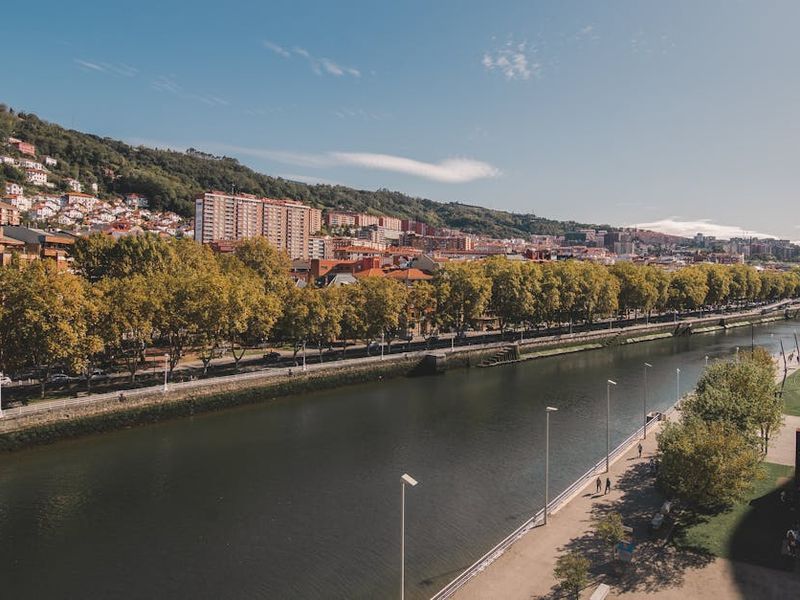
One of the most compelling parts of dental tourism in Cuenca is the ability to pair treatment with genuine rest, exploration, and recuperation. Cuenca’s mild, spring-like climate (average temperatures around 15–20°C / 59–68°F) and clean Andean air create an ideal recovery environment. Rather than returning to a busy urban setting after oral surgery, patients can relax in a colonial apartment overlooking cobbled plazas, stroll along the Tomebamba River, or enjoy gentle day trips to nearby parks.
Activities That Support Recovery
- Leisurely walks around Parque Calderón and the historic center to reduce stress and improve circulation.
- Short, low-impact visits to museums and artisan markets that avoid strenuous exertion.
- Calm day trips to El Cajas National Park—perfect for fresh air and quiet contemplation once your dentist clears you for light activity.
- Relaxing at local spas, such as thermal baths or gentle massage centers, to aid in stress reduction (confirm with your dentist about timing post-procedure).
How to Plan a Dental Vacation in Cuenca: Practical Timeline and Tips
Planning ahead is the key to a smooth dental vacation. Below is a practical timeline and checklist that many successful dental tourists follow:
Timeline
- 6–8 weeks before travel: Research clinics, request treatment plans, and ask for before/after photos and testimonials. Verify credentials and technology used (CBCT, digital scanners).
- 4–6 weeks before travel: Book consultations—many clinics offer virtual video consults—and arrange a tentative schedule (extractions, implants, temporary crowns, final restorations).
- 2–4 weeks before travel: Secure flights and accommodations. Consider staying in the historic center where many clinics are located to reduce transit time for appointments.
- Arrival: Attend in-person consultation and finalize your treatment timeline. Many clinics use WhatsApp or email for quick communication during your stay.
- Recovery: Plan 3–7 days of restful activities after minor procedures, and longer for implant surgeries (initial healing commonly needs 7–14 days and full osseointegration 3–6 months).
Packing and Practical Tips
- Bring a list of medications, allergies, and recent dental x-rays if available.
- Pack comfortable clothing and a small travel pillow—helpful for post-op rest.
- Consider a portable ice pack and over-the-counter pain meds that are approved by your dentist.
- Stay hydrated, avoid alcohol and smoking during recovery, and follow the clinic’s antibiotic and oral hygiene instructions precisely.
Procedures That Deliver the Best Value in Cuenca
While you can get a full range of dental services, several treatments offer especially high value for dental tourists:
- Dental implants: A permanent solution that blends function and aesthetics. Full implant placement with high-quality components at a fraction of U.S. prices makes large rehabilitations affordable.
- Crowns: Porcelain and zirconia crowns in Cuenca are economical and digitally fabricated in many clinics for precise fits and fast turnaround.
- Veneers and cosmetic dentistry: Digital smile design and ceramic veneers let patients transform their smile affordably and predictably.
- All-on-4 and full-arch restorations: For those needing dramatic rehabilitation, the cost savings here can be life-changing, allowing patients to receive premium full-mouth solutions for much less than at home.
Safety, Credentials, and Finding the Right Clinic
Your safety matters. Reputable Cuenca clinics make their accreditations and continuing-education credentials available. Look for clinics that:
- Use international-grade sterilization and infection control.
- Provide clear, written treatment plans, cost breakdowns, and guarantees or warranties.
- Have dentists who participate in international conferences or have postgraduate training abroad.
- Offer pre- and post-op communication via WhatsApp or phone and have English-speaking staff if you’re not fluent in Spanish.
Ask for referrals and before/after photos, read online reviews, and consider a virtual consultation to assess the dentist’s communication and thoroughness before booking travel.
Travel Logistics: Getting There and Getting Around
Cuenca is accessible and expat-friendly. The city’s Alcantarí International Airport (CUE) has domestic flights from Quito and Guayaquil, with frequent connections. Many international travelers fly into Quito or Guayaquil and take a short domestic flight or a comfortable 3.5–5 hour bus ride to Cuenca.
Once in town, taxis, ride-share apps, and walking make getting to clinics easy. Staying in the historic center (near the New Cathedral and Parque Calderón) puts you within easy reach of many clinics and the cultural heart of the city.
Why Expats Prefer Cuenca for Ongoing Dental Care
Long-term residents quickly discover the advantages of having high-quality, affordable dentistry on their doorstep. Routine care, multi-step treatments, and even complex restorative work become financially manageable. Many expats develop long-term relationships with local dentists who provide continuous care, follow-ups, and emergency support—something only a small percentage of dental tourists can easily access elsewhere.
Aftercare and Follow-Up Options
Cuenca clinics are accustomed to international patients and will often schedule follow-ups and provide remote monitoring options. For multi-stage treatments like implants, your dentist will coordinate timelines and provide detailed home-care instructions. If you return home between stages, many clinics will communicate with your local dentist or send a digital treatment file to ensure continuity.
Real Value: Health, Savings, and Lifestyle
The decision to get dental work in Cuenca is rarely just financial. Patients consistently report value across three dimensions: exceptional cost savings, high clinical quality, and the added benefit of recuperating in a beautiful city. Imagine receiving a full-arch restoration and spending your recovery days wandering colonial streets, tasting Ecuadorian cuisine, and breathing clean mountain air—all while saving thousands of dollars.
Final Tips for a Successful Dental Vacation
- Plan realistically: understand multi-stage procedures and healing times so you can build adequate recovery into your trip.
- Bring documentation of your medical history and any prior dental work to speed diagnosis and planning.
- Confirm all costs and potential additional fees in writing before treatment begins.
- Check local travel advisories, and register with your country’s consulate if staying long-term.
- Enjoy the experience—pair procedures with short cultural outings to make your dental vacation restorative for both mouth and mind.
Conclusion: Cuenca Offers a Unique Dental Tourism Package
Cuenca stands out as an ideal dental tourism destination because it combines dramatic cost savings with top-level dentistry, modern clinics, and a tranquil recovery environment. Whether you’re an expat already living in Ecuador or a visitor planning a dental vacation, you’ll find a level of personalized care, speed of service, and overall value that’s hard to match anywhere else. With careful planning and the right clinic, getting implants, crowns, or veneers in Cuenca can be not just a medical decision, but a life-enhancing experience.
Start by researching reputable clinics, scheduling a virtual consult, and penciling in a trip that lets you heal, explore, and return home with a new smile—and a story about one of the most beautiful cities in South America.