
Table of Contents
Cuenca: The Perfect Blend of Vacation and World-Class Dental Care
If you’re thinking about dental implants, crowns, or veneers but the costs and long wait times at home are holding you back, consider Cuenca, Ecuador. This UNESCO-listed colonial city gives you a rare combination: highly trained dentists using the latest technology, 60–70% cost savings compared to the U.S. and Canada, and a beautiful, restful city ideal for recovery. In short, Cuenca is rapidly becoming the world’s best place for dental tourism and dental vacations.
Why Cost Savings Matter — Real Value, Not Bargains
One of the most compelling reasons people travel to Cuenca for dental work is the dramatic cost advantage. Typical implant treatments in the U.S. and Canada can range from several thousand to tens of thousands of dollars when you factor in the implant, abutment, and crown. In Cuenca, patients regularly report paying 60–70% less for the same quality of materials and workmanship. That difference turns a daunting bill into an affordable investment in your health and smile.
World-Class Dentists with International Training
Another reason Cuenca stands out is the caliber of practitioners. Many local dentists are graduates of top Ecuadorian universities and have completed advanced training programs and residencies abroad in the U.S., Europe, or other Latin American countries. They bring modern techniques — from implantology and bone grafting to cosmetic dentistry — into their practices. When researching clinics, look for detailed bios that list postgraduate training, continuing education, and memberships in international dental organizations.
Modern Clinics and Cutting-Edge Technology
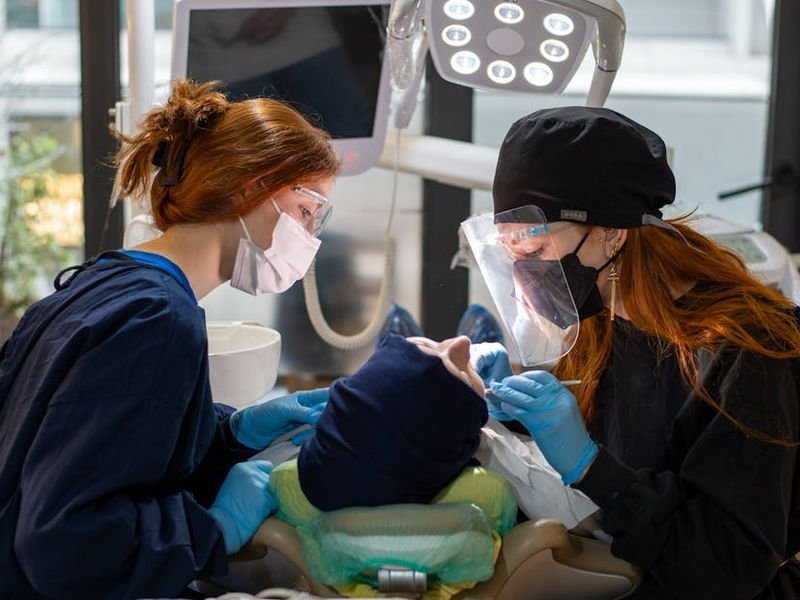
Cuenca’s best dental clinics are equipped with the same high-tech tools you’d expect in major metropolitan centers: CBCT 3D imaging for precise planning, digital impressions, CAD/CAM milling for on-site crown fabrication, and sterilization systems that meet international standards. Many clinics work with globally recognized implant systems and can provide documentation on the materials and brands used. This combination of advanced technology and expert hands translates to predictable, high-quality outcomes.
Short Wait Times and Personalized Care
One of the surprising benefits of choosing Cuenca is scheduling. Unlike waiting weeks or months at home, many clinics in Cuenca can arrange consults and treatment starts within days of your arrival. Visits are typically very personal: expect one-on-one time with the dentist rather than being passed from specialist to specialist. This personalized approach helps with careful treatment planning, clear communication about expectations, and peace of mind during procedures and recovery.
Healing in an Idyllic Setting: Why Recovery Is Easier in Cuenca
Cuenca’s mild spring-like climate year-round, clean air, and calm pace of life make it an ideal recovery spot. The city sits at about 2,560 meters (8,400 feet) above sea level and offers temperate days, cool nights, and abundant green spaces. After implant surgery, a restful environment aids healing and reduces stress — a major advantage over recovering at a noisy, crowded hotel or city back home.
Activities That Complement Recovery
Depending on the stage of your treatment and your dentist’s instructions, Cuenca offers gentle activities that promote well-being without interfering with healing. Strolls along the Tomebamba River, visits to quiet coffee shops in the historic center, and short day trips to the serene Cajas National Park are all great options. Many patients plan their rest days around these low-impact activities, combining recovery with quality vacation time.
Sample Dental Vacation Itineraries
Timelines vary by treatment. Below are sample itineraries for common scenarios — these are flexible and should be adapted with your dentist’s guidance.
- Single implant (staged): Day 1 – Consultation and CBCT scans; Day 2 – Implant placement; Stay 7–10 days for initial healing; Return home for healing phase (2–4 months); Final crown visit (1–3 days).
- Immediate-load implant or All-on-4: Day 1 – Consultation and planning; Day 2 – Full arch extraction and immediate implant placement with provisional restorations; Stay 10–14 days for immediate post-op care; Return for final prosthesis in 3–6 months.
- Crowns or veneers: Day 1 – Exam, impressions; Day 2 – Preparations and temporary restorations; Day 7–10 – Final placement if clinic uses in-house milling and same-week lab work.
Many patients choose a 10–14 day stay to combine procedures, initial healing, and sightseeing. Immediate-load options reduce the number of return trips, but your dentist will advise based on bone quality and overall health.
How to Choose the Right Clinic in Cuenca
Not all clinics are the same, so do your homework. Consider these practical tips:
- Read patient reviews and request before-and-after photos of similar cases.
- Ask for a written treatment plan with a transparent price breakdown (implant, abutment, crown, surgical fees, anesthesia, lab fees).
- Confirm the dentist’s education and postgraduate training; ask about experience with the specific implant system they plan to use.
- Verify the technology they use: CBCT scans, digital impressions, in-house milling, and sterilization protocols.
- Discuss warranties and what’s included in aftercare (follow-up visits, emergency support, adjustments).
Practical Travel and Logistic Tips
Travel to Cuenca is straightforward. Although international flights to Cuenca’s Mariscal La Mar Airport are limited, most visitors connect through Quito or Guayaquil and take a short domestic flight or a comfortable 3–4 hour bus or private transfer. Important logistics:
- Currency: Ecuador uses the U.S. dollar — no currency conversion hassles.
- Altitude: Cuenca sits at 2,560 meters. Discuss sedation or general anesthesia plans with your dentist and anesthetist, as altitude can affect people differently.
- Bring: recent dental x-rays, any medical records, a list of medications, and a translator app or bilingual friend if you’re not fluent in Spanish. Many clinics have English-speaking coordinators.
- Companion: It’s smart to travel with a companion for the first 24–48 hours post-surgery, especially if sedation was used.
Safety, Sterilization and Standards of Care
High-quality clinics in Cuenca adhere to rigorous sterilization protocols and often follow international standards. Ask the clinic about their infection-control procedures, the sterilization cycle for instruments, and whether materials are traceable to international manufacturers. Accredited clinics will gladly explain these processes — and their transparency is a good sign of professionalism and patient care standards.
Aftercare and Long-Term Support
Good clinics offer structured aftercare: scheduled check-ins, emergency contact numbers, and digital follow-up options. If you return home before final restorations are placed, ensure the clinic provides a clear handoff package for your local dentist, including surgical notes, x-rays, and material specifications. Many dentists in Cuenca are accustomed to coordinating care with international dentists and will prepare detailed documentation for continuity of care.
Combining Dentistry with Cultural Delights
Cuenca makes it easy to recover in style. Between appointments you can explore the city’s cobbled streets, visit artisan markets (famously for Panama hats), and enjoy farm-to-table Ecuadorian cuisine. The city’s low-key luxury hotels and small boutique guesthouses often cater to medical tourists, offering quiet rooms and flexible check-in for follow-up visits. The blend of culture, safety, and excellent food helps make dental recovery feel like a real vacation.
Common Questions: Costs, Warranties, and Insurance
Insurance rarely covers elective dental implants, so the out-of-pocket savings are a major motivator. When comparing prices, make sure you’re comparing apples to apples: implant brand, abutment type, and crown material. Ask about warranties — respected clinics typically offer a warranty period, conditional on following aftercare instructions and attending follow-up appointments. If you have dental insurance, check if they’ll reimburse some costs based on submitted documentation.
Real Patient Experiences and Peace of Mind
Many patients describe their Cuenca dental vacations as life-changing: dramatic cosmetic and functional improvements at a fraction of their home country cost, with attentive care in an environment that promotes healing. Short wait times, clear communication, and the personalized attention of smaller clinics are common praises. Of course, results vary by case, but the combination of affordability and quality makes Cuenca a top global choice for dental tourism.
Final Tips Before You Book
Before committing, schedule virtual consultations with several clinics, request detailed treatment plans, and ask about patient references. Consider a travel companion, plan for at least a week in Cuenca for most procedures, and choose accommodations that are peaceful and centrally located to minimize transit time to your clinic. With smart preparation, you can walk away with a great new smile — and an unforgettable vacation.
Conclusion: Unbeatable Value Meets a Beautiful Recovery Destination
Cuenca offers a compelling mix: up to 60–70% cost savings, highly trained dentists, modern clinics with cutting-edge technology, short wait times, and a tranquil city that makes recovery pleasant. Whether you need one implant, a full-arch restoration, or cosmetic crowns and veneers, Cuenca’s dental tourism infrastructure delivers exceptional value without sacrificing quality. For those who want excellent dental care plus a restorative vacation in a charming, historic city, Cuenca stands out as the smartest choice in the world.