
Table of Contents
Cuenca: The smart, scenic choice for dental tourism
If you’re considering dental implants, crowns or veneers, Cuenca, Ecuador should be at the top of your list. This charming UNESCO World Heritage city pairs dramatically lower prices with highly trained clinicians, modern technology, short wait times and a recovery environment that feels like a vacation. Put simply: you can get world-class dentistry for a fraction of the price and spend the downtime exploring cobblestone streets, riverwalks and nearby mountain parks.
Why cost matters — big savings without sacrificing quality
One of the most compelling reasons patients flock to Cuenca is cost. Dental implants, crowns and veneers often cost 60–70% less than in the U.S. and Canada. To give you a sense of scale: a single titanium implant that might run $3,000–$6,000 in North America can often be completed in Cuenca for $900–$1,800. Crowns that range $800–$2,000 at home may cost $200–$600 here. Veneers that cost $900–$2,500 in the U.S. often run $250–$700 in Cuenca. Because clinics in Cuenca bundle services — diagnostics, CBCT scans, lab work and follow-up — patients commonly get excellent value for a full restorative plan.
Highly trained dentists and continuing education
Cost savings don’t mean corners are cut. Dentists in Cuenca graduate from Ecuador’s top dental schools and many complete postgraduate training and fellowships abroad in the U.S., Europe or other Latin American centers. The city’s dental professionals frequently participate in international courses on implantology, prosthodontics and digital dentistry. You’ll find clinicians who are members of recognized dental associations and who follow global best practices for sterilization, surgical technique and prosthetic design.
Modern clinics and cutting-edge technology
Dental clinics in Cuenca are outfitted with modern equipment you’d expect in any major city: digital X-rays, 3D CBCT imaging for precise implant planning, CAD/CAM systems for milling zirconia crowns and veneers, and in many cases, in-house dental labs. Some clinics offer same-day crowns using CEREC or similar systems and immediate-load implant solutions when clinically appropriate. These technologies reduce waiting times, improve accuracy and allow for predictable outcomes that meet high aesthetic and functional standards.
Personalized one-on-one care and short wait times
A major advantage of choosing Cuenca is the personalized attention you receive. Clinics in the city emphasize one-on-one care — many dentists perform the consultations and the procedures themselves rather than delegating to technicians. Appointments are often scheduled efficiently, so you’ll typically avoid the long queues and months-long waits that are common in many large urban centers. This means faster treatment starts, streamlined follow-ups and less disruption to your life.
The perfect recovery environment — mild climate and calm streets
Cuenca sits at about 2,560 meters (8,400 feet) above sea level and is famous for its spring-like climate year-round. This mild, stable weather and the city’s slow pace make it an ideal setting for recuperation after dental surgery. Imagine waking up from implant surgery and strolling along the Tomebamba River, sitting in Parque Calderón beneath the cathedral’s blue domes, or enjoying a quiet café with soft music while your mouth heals. The combination of pleasant air, accessible green spaces and many comfortable hotels creates an environment that supports recovery physically and mentally.
Combine dental care with a memorable vacation
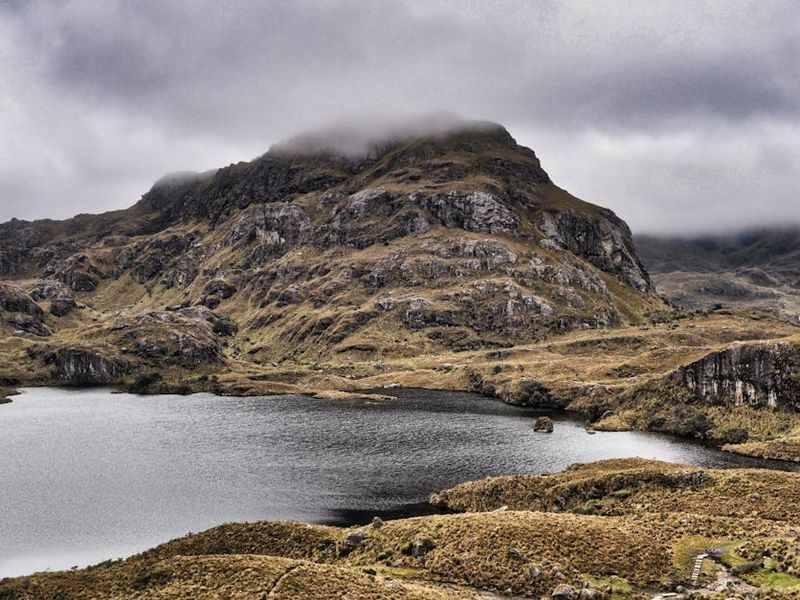
One of the most attractive aspects of dental tourism in Cuenca is the ability to combine treatment with sightseeing, light hiking and cultural experiences. Cuenca’s historic center is a UNESCO World Heritage site packed with museums, artisan markets and colonial architecture. Day trips to Cajas National Park offer highland hikes and freshwater lakes if your dentist clears you for light activity. On lighter days after procedures, stroll the riverwalks or visit local markets for handcrafted goods and local cuisine. Many patients say the chance to pair a medical procedure with a restorative vacation reduces stress and improves the overall experience.
What to expect during your visit: realistic timelines and options
Dental implant treatment timelines vary by case, but Cuenca offers flexible options tailored around travel convenience. Typical approaches include:
- Two-stage implants: Initial implant placement followed by a 3–6 month healing period, then prosthetic crown placement. This often requires two visits but is highly predictable.
- Immediate-load implants: In select cases, temporary crowns are placed the same day as the implant. This reduces the need for a second trip and is offered by many Cuenca clinicians when bone and soft tissue conditions are favorable.
- All-on-4 and full-arch solutions: Many clinics offer full-arch implant restorations and hybrid prostheses with dramatic price advantages compared to North American clinics, often including temporary restorations during healing.
For crowns and veneers, many clinics provide digital impressions and same-day or quick-turnaround lab work so final restorations can be delivered within days or a couple of weeks.
Practical travel logistics: getting there and getting around
Cuenca’s Mariscal La Mar Airport (CUE) provides convenient regional connections. Many international travelers fly into Quito (UIO) or Guayaquil (GYE) and connect to a short domestic flight, or choose a scenic 3–4 hour drive or bus from Guayaquil. Once in Cuenca, most central clinics are within easy walking distance from hotels in the historic center. Taxis, rideshare apps and private transfers are widely available and affordable. Many dental clinics offer airport pickup and bilingual coordination to simplify your visit.
Where to stay: neighborhoods that support recovery
For ease and comfort, choose accommodation near El Centro (the historic center) or near the riverside neighborhoods. Staying within walking distance of your clinic means smoother follow-up visits and easier rest days. Turi is a quieter neighborhood with panoramic views and is good for patients who prefer a tranquil setting for recovery. Cuenca has a broad range of lodging — from boutique hotels and guesthouses to longer-stay apartments — suitable for short dental trips or extended restorative plans.
How to choose the right clinic: questions to ask
Selecting the right clinic is crucial. Here are practical questions to guide your decision:
- Can you provide before-and-after photos of cases similar to mine?
- Which implant brands do you use? Are they certified and internationally recognized?
- Do you use CBCT imaging and digital planning software?
- Is the same dentist performing the surgery and delivering the restoration?
- What is included in the quoted price (imaging, anesthetic, lab fees, follow-up)?
- What is your post-op protocol and emergency contact policy once I return home?
- Do you provide written treatment plans and timelines, and do you offer warranties on work?
Safety, regulation and quality control
Dental professionals in Ecuador must be licensed and many clinics comply with international infection-control standards. Reputable Cuenca clinics publicly display certifications, use autoclaves and maintain strict sterilization procedures. When you evaluate clinics, ask for copies of licenses, details about sterilization protocols and information on continuing education. Many clinics also engage external labs and technicians who follow high-quality materials standards (e.g., zirconia, PMMA, titanium systems), which helps ensure reliable outcomes.
Post-operative care, follow-up and long-distance support
Cuenca clinics often provide thorough post-operative care: prescriptions for antibiotics and pain management, clear aftercare instructions, and a communication plan for photos and virtual follow-ups once you’re home. Many dentists offer extended monitoring via WhatsApp or email, and will coordinate with your local dentist if necessary. Ask about written warranties or guarantees on implants and restorations — many clinics stand behind their work for a specified period.
While the headline savings in Cuenca are dramatic, budget for flights, accommodation, meals, domestic transfers and any pre- or post-procedure visits you may need. Most clinics provide package pricing that includes diagnostics, imaging, sedation and lab work; full-arch solutions are often offered as bundled packages. Always request a written estimate that details what is and isn’t included to avoid surprises.
Sample dental vacation itineraries
- 7–10 day trip (single implant or several crowns): Day 1 consult and imaging; Day 2 implant placement or crown prep; 2–5 days recovery in Cuenca with light sightseeing; same clinic follow-up before departure and digital records provided for your home dentist.
- 10–21 day trip (multiple implants or veneers): Combined treatment schedule allowing for multiple surgical and prosthetic stages, in-house lab work for temporaries and final restorations, plus day trips to Cajas National Park and cultural tours.
- Two-trip approach (maximal predictability): First trip for surgical placement and healing; second short trip for final prosthetics once osseointegration is complete.
Language, culture and patient comfort
Spanish is the primary language in Cuenca, but many clinics cater to international patients with bilingual staff and translated written materials. Staff often escort patients to appointments, manage logistics and explain each step in detail. The welcoming local culture, safe neighborhoods and plentiful cafés and restaurants make the city comfortable and easy to navigate for visiting patients.
Real value: not just cheaper, but better overall experience
Choosing Cuenca is about more than the price tag. It’s the combination of strong clinical expertise, high-quality materials, modern technology, quick scheduling, and a serene setting that supports healing. When you compare the full experience — from diagnostics to final restoration — many patients find the overall value of getting implants, crowns or veneers in Cuenca is unmatched.
Final tips before you book
- Request a detailed written treatment plan and a timeline before you commit.
- Confirm which materials and implant systems will be used and ask for guarantees in writing.
- Arrange flexible travel plans in case of minor scheduling adjustments.
- Plan for at least a few days in Cuenca after surgery for rest and your first follow-up.
- Check online reviews, request patient referrals, and don’t be afraid to ask for clinic photos and licensing details.
Conclusion: Cuenca is dental tourism done right
For patients seeking world-class implants, crowns and veneers at a fraction of the cost, Cuenca offers a compelling blend of affordability, clinical excellence and a beautiful recovery backdrop. With modern clinics, highly trained dentists, short wait times and easy logistics, Cuenca makes high-quality dental care accessible and comfortable. Whether you want a single implant or a full smile makeover, consider Cuenca — where outstanding value meets a city that’s perfect for healing and exploration.
Frequently asked question — Quick answers
Is it safe to get dental implants in Cuenca? Yes. Choose a reputable clinic with clear credentials, modern sterilization and good patient reviews. Many clinics follow international protocols and use recognized implant systems.
How long should I stay? At minimum, plan a week for single implants or crowns; for multiple implants or full-arch cases, plan 10–21 days or arrange a two-trip plan for maximal predictability.
Will I need a second trip? Sometimes. Immediate-load options can reduce the need for a second trip, but some cases are best treated with a staged approach requiring two visits.
How do I find a trustworthy clinic? Look for transparent pricing, before/after photos, CBCT imaging capabilities, bilingual staff, and positive patient testimonials. Ask about warranties and post-op support.
If you’re weighing the cost, quality and convenience of dental care abroad, Cuenca deserves serious consideration. It’s one of the few places in the world where you can pair top-tier restorative dentistry with a restorative holiday — and save 60–70% while doing it.
Adam Elliot Altholtz serves as the Administrator & Patient Coordinator of the “Smilehealth Ecuador Dental Clinic“, along with his fellow Expats’ beloved ‘Dr. No Pain‘, right here in Cuenca, Ecuador, and for purposes of discussing all your Dental needs and questions, is available virtually 24/7 on all 365 days of the year, including holidays. Adam proudly responds to ALL Expat patients from at least 7:00am to 9:00pm Ecuador time, again every single day of the year (and once more even on holidays), when you write to him by email at info@smilehealthecuador.com and also by inquiry submitted on the Dental Clinic’s fully detailed website of www.smilehealthecuador.com for you to visit any time, by day or night. Plus, you can reach Adam directly by WhatsApp at +593 98 392 9606 -or by his US phone number of 1‐(941)‐227‐0114, and the Dental Clinic’s Ecuador phone number for local Expats residing in Cuenca is 07‐410‐8745. ALWAYS, you will receive your full Dental Service in English (NEVER in Spanish), per you as an Expat either living in or desiring to visit Cuenca by your Dental Vacation, plus also to enjoy all of Ecuador’s wonders that are just waiting for you to come arouse and delight your senses.