
Table of Contents
Introduction: Dental Tourism Reimagined in Cuenca
If you’re considering dental implants, crowns, or veneers, Cuenca, Ecuador should be at the top of your list. This city blends dramatic cost savings, world-class dental training, modern clinics with advanced technology, and a calm, beautiful recovery environment—making it uniquely ideal for dental tourism. Whether you want a single implant or a full-mouth restoration, Cuenca delivers exceptional care and unbeatable value that many international patients now call the smartest choice.
Why Choose Cuenca for Dental Implants?
There are many dental destinations, but Cuenca stands out because it combines seven compelling advantages in one place:
- Massive cost savings — typically 60–70% less than U.S. or Canadian prices.
- Highly trained dentists with education from top Ecuadorian universities and international post-graduate programs.
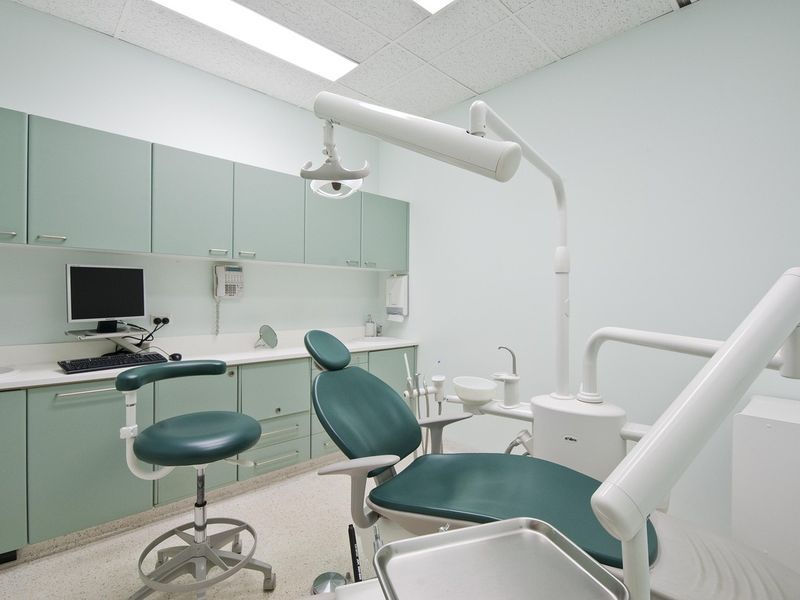
- Modern clinics equipped with 3D imaging, intraoral scanners, CAD/CAM milling, and guided implant surgery.
- A tranquil Andean city that promotes faster, more comfortable recovery.
- Short wait times and flexible scheduling suited to visitors.
- Personalized, one-on-one care often missing in larger systems.
- Ability to combine world-class dental work with a memorable vacation.
Real Savings, Real Examples
One of the strongest reasons patients choose Cuenca is cost. A single implant in the U.S. or Canada can range from $3,000 to $6,000 or more when you include the implant, abutment, and crown. In Cuenca, comparable packages often fall in the $800–$1,500 range. That means you can save 60–70% and still receive care from dentists trained at top national institutions and international programs. For multiple implants, full-arch solutions, crowns, or porcelain veneers, the savings multiply—allowing you to invest in higher-quality materials or additional cosmetic enhancements without breaking the bank.
World-Class Training and Clinical Standards
Cuenca’s dental professionals graduate from respected Ecuadorian universities and many pursue advanced training abroad for implantology, prosthodontics, and aesthetic dentistry. Clinics here emphasize continuing education and often host specialists in endodontics, periodontics, and oral surgery under one roof. Many clinics maintain international-standard sterilization protocols and welcome external quality audits—so the level of care rivals private practices in more expensive countries.
Cutting-Edge Technology You Can Rely On
Modern dental tourism is technology-driven, and Cuenca clinics are keeping pace. Expect to find:
- CBCT (cone beam) 3D imaging for accurate implant planning.
- Digital intraoral scanners for precise impressions without messy putty.
- Guided implant surgery for predictable placement and reduced complications.
- Crowns and bridges milled on-site with CAD/CAM systems—sometimes enabling same-day restorations.
- Sedation and IV sedation options for anxious patients, plus modern pain management protocols.
These technologies reduce appointment times and often lower the likelihood of surprises—an enormous advantage for international patients on a dental vacation.
Cuenca’s Ideal Recovery Environment
After implant surgery you’ll want a clean, calm place to rest and heal. Cuenca’s mild, spring-like climate year-round, clean air, and walkable historic center create an ideal recovery setting. Instead of noisy hotel strips, you’ll find tree-lined plazas, gentle river walks along the Tomebamba, and quiet boutique hotels where restful days are easy. Local cuisine is fresh and mild—perfect for following a soft-food post-op diet—while nearby thermal baths and nature reserves provide restorative distractions between follow-ups.
How a Typical Dental Implant Trip to Cuenca Works
Here’s a practical timeline many patients follow, with variations depending on case complexity and implant technique:
- Pre-travel: Send dental records and X-rays to your chosen clinic. Many clinics offer virtual consultations to outline a treatment plan and an estimate.
- Arrival (Day 1–2): In-person consultation, CBCT scan, impressions or digital scans, and scheduling. Some clinics can perform extractions and place implants on the same visit when appropriate.
- Implant placement (Day 3–7): Implant surgery is performed with local anesthesia and optional sedation. You’ll receive post-op instructions, medications, and a soft diet plan.
- Healing period (6–16 weeks): Osseointegration time varies with bone quality and technique. Many patients stay in Cuenca for a portion of this window to attend one or two short follow-ups or arrange remote monitoring with photos.
- Second-stage/abutment placement and prosthetics: After healing, abutments are placed and crowns, bridges, or dentures are fitted. With in-clinic CAD/CAM, final restorations may be completed in fewer visits.
- Post-care and warranty: Most clinics provide aftercare instructions, follow-up checkups, and warranties for their work—ask for the specifics in writing.
Immediate-Load and All-on-4 Options
Cuenca clinics offer modern protocols like immediate-load implants and All-on-4 full-arch restorations. These can drastically reduce treatment time and clinic visits, enabling you to complete significant portions of your work in one trip. While not every patient is a candidate, thorough planning with 3D imaging and guided surgery often expands the opportunities for shorter timelines without sacrificing quality.
Practical Tips for Planning Your Dental Vacation in Cuenca
To make your trip smooth and stress-free, consider these specific tips:
- Bring copies of medical history and recent X-rays or ask your clinic which files they need for a virtual review.
- Pack soft foods, a travel pillow, and a small medical kit (ice pack, mild analgesics, soft-bristled toothbrush).
- Ecuador uses the U.S. dollar—no currency exchange hassles for many international patients.
- Book accommodation near the Historic Center (Old Town) where many clinics are located—short taxis, easy sightseeing between appointments.
- Consider altitude acclimatization if you’re coming from sea level; Cuenca is at approximately 2,500 meters (8,200 feet). Take it easy the first 24 hours after arrival.
- If you’re anxious about language, request an English-speaking coordinator—many clinics provide bilingual staff or translators.
- Ask about warranties, the specific implant brand, and prosthetic materials before committing.
Navigating Costs, Insurance and Warranties
One of the biggest advantages is straightforward pricing. Many clinics provide clear all-inclusive quotes covering implants, abutments, crowns, and follow-ups. Ask for a written estimate outlining what’s included (anesthesia, CBCT, lab fees, temporary restorations). While most U.S./Canadian dental insurance won’t cover treatment done abroad, some insurers reimburse part of the cost for implants performed internationally—check your policy. Clinics often offer warranties on prosthetics and implant placement; clarify terms like what follow-ups or complications are covered and for how long.
Safety, Standards and Choosing the Right Clinic
Cuenca is regarded as safe and patient-focused, but due diligence is critical. Look for clinics that:
- Share before-and-after photos and patient testimonials (from international patients when possible).
- Show evidence of modern sterilization and infection-control protocols.
- Provide digital diagnostics like CBCTs and intraoral scans in-house.
- Have specialists on staff or easy referral networks for complex cases.
- Offer transparent pricing, written treatment plans, and post-op support including emergency contact information.
Ask about the dentist’s education and training—many Cuenca professionals trained at top Ecuadorian universities and completed post-graduate programs abroad in implantology and prosthodontics.
Healing, Aftercare and Local Support
Immediate aftercare is similar to elsewhere: antibiotics when prescribed, anti-inflammatories, good oral hygiene, and a soft diet. Cuenca is well-served by pharmacies that stock common post-op medications, and clinics often coordinate prescriptions or even deliver them to your accommodations. Many patients find the city’s relaxed pace and access to parks and walking paths ideal for gentle mobility and stress reduction during healing.
Combining Treatment with Unforgettable Travel
Cuenca isn’t just a place to fix your smile—it’s a destination worth exploring. Its UNESCO-listed historic center, colorful markets, colonial churches, artisan workshops, and nearby day trips make recovery days enjoyable. Consider light activities between follow-ups:
- Stroll the Tomebamba riverbanks and Plaza Calderón in the morning light.
- Shop for woven hats and local crafts in the local mercados.
- Take a quiet day trip to Cajas National Park for gentle hikes and lakeside views.
- Enjoy Ecuadorian cuisine—soups, stews, and soft dishes that fit a post-op diet.
These low-impact activities help create a sense of vacation while supporting healing—one of the unique benefits of a dental vacation in Cuenca.
Language, Transportation and Practicalities
Spanish is the official language, and most dental teams speak at least some English. Taxis and ride-hailing are inexpensive, and the city’s center is very walkable. Cuenca has a small international airport (Mariscal Lamar, CUE) with connections via Quito or Guayaquil—planning flights in and out of the country through larger hubs can make international travel smoother. Always confirm your clinic’s recommendations for airport transport and local travel.
Common Patient Questions Answered
How long should I stay?
Minimum stays vary by treatment. For a single implant and crown, plan for 7–10 days if implant placement and provisionalization are done in one trip; full protocols often require two visits spaced several months apart, or an extended first stay for immediate-load protocols.
Are the implants high quality?
Yes. Many clinics use internationally recognized implant brands and provide documentation of materials used. Always request brand names and product guarantees in writing.
Can I get follow-up care at home?
Routine follow-ups can often be completed by your local dentist after the implant is osseointegrated, but most Cuenca clinics offer remote support and clear transition plans for aftercare.
Final Thoughts: Exceptional Value with a Healing Backdrop
Dental implants in Cuenca are not merely cheaper—they represent an incredible value proposition: highly trained clinicians working with modern technology in a city that supports recovery and relaxation. You’ll likely pay a fraction of the cost at home, enjoy faster scheduling, and receive personalized, one-on-one attention in clinics focused on international patients. Combine your treatment with cultural experiences and nature excursions, and your dental plan becomes a restorative vacation.
If you’re weighing options, consider a virtual consultation with a Cuenca clinic to get a tailored treatment plan and estimate. With transparent pricing, advanced diagnostics, and a restful environment, Cuenca offers a trusted path to a new smile and a memorable dental vacation.
Quick Checklist Before You Go
- Send X-rays and medical history ahead of time.
- Confirm implant brands and warranty details in writing.
- Book accommodations near your clinic and allow extra days for recovery.
- Pack altitude-friendly items and soft foods for first days post-op.
- Verify bilingual support and emergency contacts.
- Plan a few low-impact activities to enjoy Cuenca’s culture and nature.
Choosing where to place your trust and investment matters. For many international patients, Cuenca offers not just affordability but a level of dental care, comfort, and overall value that’s hard to beat. If you’re looking for implants, crowns, or veneers—paired with beautiful surroundings and attentive care—Cuenca is a top-tier dental tourism destination worth serious consideration.